Machu Picchu Tickets 2027: Rules, Circuits, and Vital Booking Tips
Securing a Machu Picchu ticket for 2027 is no longer a casual last-minute errand — Peru’s Ministry of Culture now assigns every visitor to a specific circuit, a specific route, and a specific one-hour entry window, and that assignment cannot be changed at the gate. Peak-season dates sell out within days of the annual release, often months before you plan to set foot in Peru. This guide covers everything international travelers need: how the three circuits differ, what the rules mean in practice, how to navigate the official booking portal, and when to use an authorized tour package instead.
Key Takeaways
- Standard adult entry for foreign visitors costs 152 Peruvian soles (approximately $45) for Circuits 1 and 2; mountain add-ons including Huayna Picchu and Machu Picchu Mountain cost 200 soles (approximately $60). These are confirmed 2026 prices — verify the official portal for any 2027 adjustments before purchasing.
- Three main circuits contain ten distinct routes. Circuit 1 is panoramic-only; Circuit 2 combines the classic overhead viewpoint with the full archaeological urban core; Circuit 3 covers the lower royal sector and is the gateway to Huayna Picchu, Huchuy Picchu, and the Gran Caverna trail. Choose your circuit before opening the booking page — it cannot be changed after purchase.
- Each ticket locks you to an entry window of one hour, and a 30-minute grace period is the maximum late-arrival tolerance. If you miss the grace window, entry is denied regardless of having a valid ticket. Toilets are located outside the ruins gate: exit for any reason and your visit is over.
- Daily capacity runs at 4,500 visitors during the regular season and rises to 5,600 on specific high-season dates. Up to 1,000 tickets per day are held back for in-person sales at the Ministry of Culture office in Aguas Calientes.
- The official ticketing portal is tuboleto.cultura.pe, operated by Peru’s Ministry of Culture. The site is in Spanish only, requires passport details for every visitor, and processes non-refundable, non-transferable transactions. Foreign credit cards are accepted but incur a 5% processing fee.
- For peak-season travel (June through October), a 4-to-5 month advance booking window is the industry-wide benchmark. As of late August 2026, Peru’s Ministry of Culture had not yet released the official 2027 ticket-sale start date; based on the 2026 precedent (sales opened November 17, 2025), expect the 2027 window to open in November or December 2026.
People Also Ask About Machu Picchu Tickets 2027
How much do Machu Picchu tickets cost for adult foreigners in 2027?
The confirmed 2026 price for a standard adult foreign-visitor ticket covering Circuits 1 or 2 is 152 Peruvian soles, equivalent to roughly $42–45 at typical exchange rates. Tickets that include a mountain add-on — Huayna Picchu, Machu Picchu Mountain, or the Gran Caverna trail (all on Circuit 3) — cost 200 soles, or approximately $56–60. Children aged 3–17 pay 70 soles; university students under 25 with a valid international student card pay 77 soles. Online purchases through tuboleto.cultura.pe carry an additional 5% credit-card processing charge. Peru’s Ministry of Culture had not confirmed 2027 pricing as of August 2026, so these figures serve as planning benchmarks — check the official portal before completing any purchase, as prices have adjusted in prior years.
Which Machu Picchu circuit is best for first-time visitors in 2027?
Circuit 2 — formally called Machupicchu Clásico — is the overwhelming recommendation for first-time visitors. It is the only circuit that combines the famous overhead panoramic photo viewpoint with an in-depth walk through the archaeological urban core: the Temple of the Sun, the Sacred Plaza, the Room of the Three Windows, the Principal Temple, and the residential and royalty sectors. Circuit 1 delivers the panoramic view but stops short of the urban core entirely; Circuit 3 covers the lower royal sector and pairs with high-altitude hikes but skips the classic viewpoint. Most travelers who choose Circuit 1 or 3 on a first visit later report wishing they had booked Circuit 2 instead — and the no-switch policy at the gate makes that a costly mistake to correct.
How far in advance should I book Machu Picchu tickets for 2027?
The safe benchmark for peak-season visits (June through October) is four to five months before your intended date. Morning entry slots for Circuit 2 and any mountain add-on tickets — particularly Huayna Picchu, which is limited to a small daily cohort — frequently sell out within the first days or even hours of the annual ticket release. For July and August travel specifically, availability at popular entry times can disappear before many international travelers are even aware the window has opened. During shoulder season (April–May, November) a 6–8 week booking window is generally workable, and low-season dates (December–March, excluding Christmas and New Year peaks) often retain availability closer to the visit date. Regardless of season, booking as early as possible after the official annual release maximizes your choice of circuit, route, and time slot.
What happens if I arrive late for my timed Machu Picchu entry time in 2027?
A 30-minute grace period applies: if your ticket shows a 9:00 AM entry and you arrive by 9:30 AM, rangers will typically admit you. After that window closes, entry is denied. There is no refund and no rescheduling option for missed slots. The most common cause of missed entries is underestimating transport timing: the Consettur shuttle bus from Aguas Calientes takes 25–30 minutes and runs every 5–15 minutes starting at 5:30 AM, but queues during popular morning windows can extend the wait. If you are targeting an early slot, plan to be at the bus queue in Aguas Calientes at least 45–60 minutes before your entry time. Travelers arriving from Ollantaytambo by train should verify their departure time accounts for the bus queue, the 30-minute ride up, and any morning crowd at the entrance.
1. Core Machu Picchu Rules & Regulations for 2027
Peru’s Ministry of Culture introduced compulsory timed-entry circuits progressively from 2019 onward and completed a comprehensive reorganization in June 2024, replacing a more loosely structured system with three main circuits subdivided into ten specific routes. The rules that govern a 2027 visit are considerably stricter than the pre-circuit era, and many travelers arriving with outdated expectations discover at the gate that what they assumed was flexibility is in fact a fixed, no-exceptions policy. Understanding the regulations before arriving — not while standing in queue — is the defining difference between a seamless visit and a ruined itinerary.
Multi-Day Tour Packages
Featured Machu Picchu Multi-Day Tour Packages
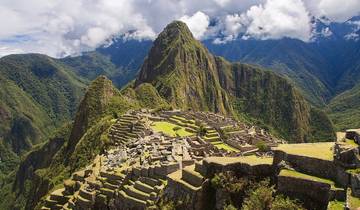
5 days
5 Day Journey of colors to Machu Picchu
- ✓ Comprehensive Machu Picchu tour
- ✓ Expert local guides included
- ✓ All accommodation arranged
- ✓ Transportation provided
5 days
5 Day Cusco Travel Package: Cusco, Sacred Valley, Machu Picchu, and Maras Moray.
- ✓ Comprehensive Machu Picchu tour
- ✓ Expert local guides included
- ✓ All accommodation arranged
- ✓ Transportation provided

2 days
2-Day Short Inca Trail to Machu Picchu with Hotel & Vistadome Train
- ✓ Comprehensive Machu Picchu tour
- ✓ Expert local guides included
- ✓ All accommodation arranged
- ✓ Transportation provided
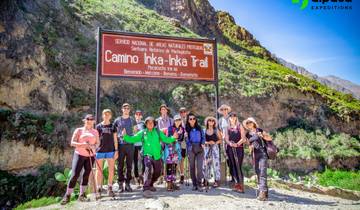
4 days
Classic Inca Trail Trek 4D/3N to Machu Picchu (Group service )
- ✓ Comprehensive Machu Picchu tour
- ✓ Expert local guides included
- ✓ All accommodation arranged
- ✓ Transportation provided
Multi-day tour packages powered by TourRadar. Prices and availability subject to change.
Timed Entry Windows and the Strict Grace Period
Machu Picchu operates on a system of hourly entry windows running from 6:00 AM through 3:00 PM. When you purchase a ticket on tuboleto.cultura.pe, you select both a circuit and an entry hour — for example, 9:00 AM or 11:00 AM. Your ticket is valid only within that one-hour window, and a 30-minute grace period is the maximum late-arrival tolerance the site enforces. Arrive within the window or within the 30-minute extension and you will be admitted; arrive after that and rangers are instructed to deny entry regardless of the circumstances you describe.
The practical consequences of this rule are more significant than they initially appear. Most visitors travel from Aguas Calientes to the citadel entrance by Consettur shuttle bus — a 25-to-30-minute ride up a steep, switchbacking dirt road. Buses run every 5 to 15 minutes from around 5:30 AM and operate efficiently during off-peak hours, but morning demand for popular slots (especially 6:00–8:00 AM) creates queues that can add 20–40 minutes to the total journey time. A traveler who targets a 6:00 AM slot needs to be in the bus queue no later than 5:00 AM to move through boarding, the 30-minute ride, and entrance processing before the grace period closes. The earlier the slot, the earlier the morning must begin.
A separate consideration applies to mountain add-ons. Huayna Picchu (Circuit 3-A) operates its own check-in points with distinct start times and a mandatory descent deadline, and Machu Picchu Mountain (included within Circuit 1-A) requires several hours for the round trip. These hike windows do not extend the overall site-entry grace period — if you miss your designated mountain check-in time, you miss the hike even if you are inside the site. Coordinating your main circuit entry time with the mountain add-on schedule is an additional logistical layer that many travelers overlook when purchasing.
For visitors who cannot travel the day before and must arrive from Cusco on the morning of their visit, there is an important buffer to build in: the train journey from Ollantaytambo to Aguas Calientes takes approximately 1.5 hours, and the earliest commercial departures typically operate before 5:00 AM. Combining these logistics — train, walk to bus station, bus queue, ride, entrance processing — into a coherent timeline that consistently clears the grace period requires careful pre-trip planning, not improvised schedule-reading on the day.
Mandatory Documents and the No Re-Entry Policy
Machu Picchu tickets are name-matched to passport numbers at the point of purchase, and rangers verify the physical passport document at the entrance turnstile. A photograph of your passport on a smartphone does not satisfy the requirement. If the document presented does not match the name and passport number on the ticket, entry is denied — the ticket cannot be transferred to another passport, and no on-site correction is available. Travelers booking for a group must enter passport details for every individual visitor during the checkout process on tuboleto.cultura.pe.
The no re-entry policy deserves special attention because its scope is absolute. Once you pass through the exit turnstile — for any reason — your visit is finished. There are no toilets inside the archaeological zone itself: the facilities are located in the entrance building, outside the gate. Every experienced Machu Picchu guide gives the same piece of advice: use the bathrooms before passing through the entrance. Exiting to use a restroom during your visit is not an option that ends well. Visitors who carry children, have medical conditions, or tend to need facilities at unpredictable intervals should plan their pre-entry routine accordingly.
Additional regulations that apply at the entrance gate include a backpack size limit of 40 by 35 by 20 centimeters. Larger bags must be left at the cloakroom facility near the entrance building. Items prohibited inside the archaeological zone include tripods and monopods (which create obstruction hazards on one-way circuits), single-use plastic packaging, and large umbrellas. Reusable water bottles are permitted and recommended; the altitude at 2,430 meters above sea level makes hydration a practical concern for most visitors, and there are no refreshment points inside the circuit areas. Small snacks in reusable containers are generally tolerated, though the Ministry’s formal policy discourages consuming food within the main archaeological zones. Food requiring extended preparation or the use of implements is not permitted inside the ruins.
The Inca Trail permit underwent its own significant change starting January 1, 2026: Inca Trail hikers no longer receive automatic Machu Picchu citadel access as part of their trek permit. A separate Machu Picchu circuit ticket must be purchased for the day of arrival, and Inca Trail hikers enter exclusively via Circuit 3-B (the Realeza/Royalty route). This change has added complexity for Inca Trail tour operators, who must now coordinate two separate booking systems for each client. Travelers booking an Inca Trail package should explicitly confirm with their tour operator whether a Machu Picchu circuit ticket is included in the price.
Peak Season vs. Low Season Daily Capacities
Daily visitor capacity at Machu Picchu is set by ministerial resolution and currently runs at two tiers. During the regular season — broadly, the months outside peak holiday periods — the maximum is 4,500 visitors per day. During specific high-season dates, capacity rises to 5,600 per day. For the 2026 calendar, the Ministry designated the following as high-season dates: January 1; April 2–5 (Holy Week); June 19 through November 2 (which encompasses the dry season and the most popular travel window); and December 30–31. The 2027 high-season calendar had not been published as of August 2026, but based on prior-year patterns, a similar framework is expected.
Even at 5,600 visitors, Machu Picchu operates at a level that makes advance online booking the only reliable strategy. Of the total daily allocation, up to 1,000 tickets per day are reserved for in-person purchase at the Ministry of Culture (MINCUL) Cultural Centre in Aguas Calientes, available from 3:00 PM to 10:00 PM for the following day’s entry. In-person availability cannot be guaranteed: during peak season, the in-person quota regularly sells out within an hour of the office opening, and travelers relying on this as their primary access strategy have reported needing to arrive two to three days before their intended visit date to secure a ticket. For international travelers with fixed flight and hotel bookings, the in-person fallback is a genuine safety net only for those with schedule flexibility.
The practical effect of the seasonal capacity difference on planning strategy is significant. From June through early October — the dry season months that deliver the clearest weather and the most stable access conditions — Machu Picchu runs at or near maximum capacity on most days. Circuit 2 morning slots, which are the first choice of the majority of first-time visitors, sell out across consecutive weeks within the first days of the annual ticket release. Early-morning slots (6:00 and 7:00 AM) are especially popular because they allow visitors to reach the Guardian’s House viewpoint before the crowds that arrive on buses from mid-morning onward. The demand imbalance between morning and afternoon slots is consistent enough that even travelers who miss the initial release frequently find afternoon windows (1:00 PM onward) still available when morning slots are sold out, though the photographic and crowd-management advantages of an early slot are diminished.
Low-season travel (November through early May, excluding Christmas-New Year and Holy Week peaks) offers greater flexibility. Availability at all circuits and most time windows remains open closer to the visit date, and the 4,500-per-day regular-season cap creates a noticeably less crowded experience on site — particularly in November, February, and March, which are among the quietest months even if rainfall is more frequent. The rainy season runs from November through April; mornings tend to be clearer, with cloud accumulation in the afternoon, making morning entries preferable regardless of season.
2. The New Machu Picchu Circuits Explained (Which Ticket to Buy?)
The current circuit architecture — three main circuits containing ten distinct routes — was established by Peru’s Ministry of Culture in June 2024 and replaced a prior five-circuit system. The reorganization reflects both visitor-management objectives and the site’s specific topography: Machu Picchu’s archaeological zones divide naturally into the upper terraces and peripheral viewpoints (Circuit 1), the urban core with its ceremonial and residential architecture (Circuit 2), and the lower royal sector with its connection to the site’s mountain add-ons (Circuit 3). All circuits operate as one-way paths; backtracking within a circuit is not permitted, and switching circuits mid-visit is not possible. The choice you make at the point of purchase is the experience you will have.
It is worth addressing a misconception that often catches travelers off guard: holding a valid ticket does not grant access to all parts of the site. Circuit 1 visitors, for example, will not enter the Temple of the Sun, the Sacred Plaza, or the urban residential zones — those sectors fall exclusively within Circuit 2. Understanding what each circuit does and does not include is the foundational planning decision for a Machu Picchu visit.
Circuit 1: The Panoramic Route (Best for the Overhead View)
Circuit 1 — officially Circuito 1 Panorámico — is built around the upper terraces and peripheral walkways of the citadel rather than its interior. Visitors who hold a Circuit 1 ticket access the agricultural sector, the upper terraces above the main urban zone, and the Guardian’s House (Guardhouse) viewpoint, which delivers the classic overhead perspective that defines Machu Picchu’s iconography worldwide: the terraced citadel with the pointed summit of Huayna Picchu rising sharply in the background. This is the shot that appears on every travel poster and magazine cover, and it is taken from within Circuit 1’s scope.
What Circuit 1 does not include is any access to the urban core below the viewpoint. Visitors on this circuit walk through the agricultural terraces and upper perimeter but do not enter the Temple of the Sun, the Sacred Plaza, the Room of the Three Windows, or the residential and ceremonial sectors that fill the central archaeological zone. Circuit 1 is deliberately structured for a different purpose: it is the gateway to Machu Picchu’s three peripheral hikes, and most Circuit 1 visitors are there because those hikes are the primary draw.
Circuit 1 contains four routes. Route 1-A is the Machu Picchu Mountain route (Montaña Machu Picchu), a physically demanding round-trip hike of approximately three hours that ascends to the highest accessible point of the visit, delivering summit views over the entire citadel and the surrounding Andean valley. This route requires a separate ticket (combined Machu Picchu Mountain entry) at the 200-soles price point. Routes 1-B and 1-C include access to the Sun Gate (Inti Punku) — the ancient entrance to the Inca Trail from which hikers historically catch their first sight of the citadel — and the Inca Bridge, a dramatic Inca-era structure set into a sheer cliff face. Both the Sun Gate and Inca Bridge routes are designated high-season routes, available from approximately mid-June through mid-October. A fourth route on Circuit 1 covers the panoramic upper terraces and Guardian’s House without a mountain extension, making it the most accessible option for visitors with limited mobility or those who want the overhead view without committing to a long hike.
Circuit 1 is the right choice for photographers whose primary objective is the classic overhead composition; for travelers combining Machu Picchu Mountain with the panoramic viewpoint; for repeat visitors who have already explored the urban core and want a different perspective; and for visitors with physical limitations that make a multi-hour traverse of the urban core’s steep internal staircases impractical. It is generally not the right choice for first-time visitors whose primary expectation is walking through ancient Inca temples and plazas — that experience requires Circuit 2.
Circuit 2: The Classic Route (The Ultimate First-Time Experience)
Circuit 2 — Circuito 2 Machupicchu Clásico — is the circuit that most travelers imagine when they picture a Machu Picchu visit, and it is the one the Ministry of Culture recommends for first-time visitors. It is the only option that combines both the famous overhead panoramic viewpoint and an in-depth traversal of the urban archaeological core. From the Guardian’s House, where the classic postcard perspective is photographed, the Circuit 2 path descends into the central urban zone, weaving through the Temple of the Sun, the Sacred Plaza, the Room of the Three Windows, the Principal Temple, the residential sectors, and the working agricultural terraces that would have supplied the citadel during its occupation.
The scale of what Circuit 2 covers becomes clear when viewed against Circuit 1. While Circuit 1 delivers the overhead view and stops at the urban perimeter, Circuit 2 takes visitors inside the architectural fabric of the city: the precisely fitted granite walls, the trapezoidal doorways, the ceremonial fountains and water channels, the agricultural terraces that cascade down the mountainside, and the llamas that have become as much a part of the Machu Picchu experience as the ruins themselves. For the majority of international travelers arriving after years of anticipation, this circuit delivers the visit they pictured.
Circuit 2 is divided into two sub-routes: 2-A and 2-B. Route 2-A is the more comprehensive path, providing broader coverage of the urban core and generally requiring 2.5 to 3.5 hours at a comfortable pace. Route 2-B is a shorter variant covering the key highlights in a condensed sequence, more suited to visitors with time constraints or moderate physical limitations. Both sub-routes include the panoramic viewpoint; the difference lies in the extent of the urban-core traversal that follows. For most visitors with a full day available, Route 2-A is the recommended selection.
The high demand for Circuit 2 — and particularly for Route 2-A in the 6:00 to 10:00 AM entry windows during peak season — is the primary reason that a 4-to-5-month booking lead time is the accepted standard for June-through-October travel. As of February 2026, Routes 2-A and 2-B on Circuit 2 were reported as sold out through May 2026, meaning demand sustained over multiple months without the pressure of the July–August peak. Any traveler whose 2027 itinerary includes a Circuit 2 visit during the dry season should treat ticket availability as the first logistical constraint to solve, before booking flights, trains, or hotels.
Circuit 3: The Royalty Route (Best for Lower Ruins & Adventure Hikes)
Circuit 3 — Circuito 3 Machupicchu Realeza (the Royalty or Royal circuit) — covers the lower sector of the citadel, which includes the royal compounds and ceremonial spaces concentrated in the lower urban zone, and serves as the required entry point for all of Machu Picchu’s high-altitude mountain add-ons. The “Realeza” designation refers to the royal and elite residential architecture in the lower sector — a distinct zone believed to have housed the Inca ruling class, characterized by finely cut stonework and private water-channel access.
Circuit 3 is structured around four to five routes depending on season. Route 3-A is the Huayna Picchu route — the steep, iconic pyramid-shaped mountain that forms the backdrop of the classic citadel photograph. Huayna Picchu entry is strictly limited in daily volume: only a small number of combined tickets are issued per day, and they sell out faster than any other Machu Picchu ticket type. The hike takes approximately one to two hours in each direction over exposed rock faces and original Inca stone steps, and it requires a physical confidence level above the typical Machu Picchu visit. The reward is a summit view looking down at the citadel from above — essentially the reverse of the photograph taken from the Guardian’s House, and a perspective experienced by a tiny fraction of the site’s total visitors.
Route 3-B is the main royalty-sector circuit that does not include a mountain add-on, covering the lower archaeological zones of the citadel. From 2026, Route 3-B became the mandatory entry route for all Inca Trail hikers, who finish the four-day trek by descending through the Sun Gate and continuing into the site via the royalty sector. Travelers completing the Inca Trail should confirm with their operator that a separate Circuit 3-B ticket has been included in their package pricing, as it is no longer automatically incorporated into the trail permit.
Additional Circuit 3 routes include Huchuy Picchu — a shorter and less demanding summit hike than Huayna Picchu, operating only in high season — and the Gran Caverna route, which leads to the Temple of the Moon (Gran Caverna sector) at the base of Huayna Picchu mountain. Gran Caverna is also a high-season-only route. The presence of so many seasonal-only routes within Circuit 3 means that the circuit’s full range of options is only available between mid-June and mid-October; visitors traveling outside that window will find several routes unavailable regardless of ticket availability.
Circuit 3 is the right choice for travelers whose primary objective is ascending Huayna Picchu or Huchuy Picchu; for those hiking the Inca Trail; for visitors who have already explored the urban core on a previous visit and want to focus on the royal sector; and for those drawn to the Gran Caverna route’s off-the-main-path character. It is not the right choice for first-time visitors whose primary expectation is the panoramic viewpoint or the temple interiors — those both require Circuit 2.
3. Vital Booking Tips for International Travelers
Machu Picchu ticket logistics carry a level of consequence that is unusual even among heavily managed UNESCO World Heritage Sites. Because tickets are non-refundable, non-transferable, date-fixed, time-fixed, and circuit-fixed, a misstep at any point in the booking or arrival process cannot be corrected on site. The strategies below reflect the practical experience of high-volume travelers and tour operators, focused specifically on the failure points most commonly encountered by international visitors approaching the system for the first time.
The 4-to-5 Month Booking Window Rule
The 4-to-5 month advance booking benchmark applies most forcefully to peak-season travel — June through October — and specifically to the Circuit 2 morning slots and any mountain add-on tickets. The reasoning is straightforward: the Ministry of Culture releases all tickets for the following calendar year in a single annual event (typically in November or December), and demand from organized tour groups and early-planning individuals depletes the most popular windows rapidly. When demand is sufficient to sell out Circuit 2 Route 2-A across consecutive months within the first week of the annual release, a 4-to-5 month individual-booking window means you are purchasing into already-thinning availability.
For Huayna Picchu specifically, the booking window needs to be pushed even earlier — up to 5 or 6 months ahead of your visit date for July and August travel. Huayna Picchu is capped at a daily limit that represents a small fraction of the total site capacity, and its tickets are the first to disappear after the annual release. Travelers who plan a July Machu Picchu visit and prioritize Huayna Picchu should make securing that specific ticket the first action after the 2027 release window opens, ahead of finalizing train bookings or hotel reservations.
A practical booking timeline for a July 2027 visit — assuming the annual 2027 release follows the 2026 pattern and opens in November 2026 — looks like this: in November 2026, book the Machu Picchu entry ticket as the first priority; in November or December 2026, book PeruRail or Inca Rail train tickets from Ollantaytambo to Aguas Calientes (these also sell out for peak departures); in early 2027, finalize Cusco and Aguas Calientes accommodation; in the weeks before travel, book the Consettur shuttle bus either in Aguas Calientes on arrival or in advance. Reversing this order — booking flights and accommodation first, then attempting the Machu Picchu ticket — leaves you vulnerable to a scenario in which all reasonable Circuit 2 time slots on your chosen date are sold out by the time you look.
For shoulder-season travel in April–May or October–November, a 6-to-8 week booking window is generally adequate, though morning slots for Circuit 2 and mountain add-ons can tighten during long-weekend and national holiday periods. Low-season travelers (December through March, excluding holiday peaks) often find availability within 2–4 weeks, though Holy Week (late March or April) behaves like peak season for bookings and should be treated accordingly.
How to Handle Official Site Crashes and Sold-Out Dates
The official ticketing platform, tuboleto.cultura.pe, is well-documented as technically unstable during high-demand periods — specifically, in the hours and days immediately following the annual ticket release. The Ministry of Culture’s 2025 release data gives some sense of the demand volume: over 12,000 tickets were sold in the opening days, and more than 150,000 tickets were processed within the first week of the 2026 release. A platform handling this volume of concurrent international traffic, in Spanish only, with passport verification for each ticket, predictably experiences crashes, session timeouts, and failed payment processing at peak moments.
The most effective strategies for navigating the release window are practical rather than technical. Create your tuboleto.cultura.pe account before the release date — the site allows pre-registration, and completing the account setup in advance eliminates one multi-step process from the booking session. On the day of the release, attempt the booking during off-peak traffic hours (early morning in Peru, which translates to late night or pre-dawn for European and North American time zones) rather than at the moment the announcement is made. Use a wired internet connection where possible; browser-session timeouts during payment on unstable connections are a common reported failure. Keep the passport details for every traveler in your group ready to paste, as each individual entry delays the session.
If your target dates are sold out — whether because the release window has passed or because your travel window falls in peak season — the options are structured as follows. First, check alternative circuits on the same date: Circuit 1 and afternoon Circuit 2 slots often remain available when morning Circuit 2 has sold out. Second, check the in-person daily quota: up to 1,000 tickets per day are held back from online sales and offered at the Ministry of Culture Cultural Centre in Aguas Calientes from 3:00 PM to 10:00 PM for the following day’s entry. This in-person queue requires arriving in Aguas Calientes the night before your intended visit, and during peak season, the 1,000-ticket daily in-person allocation exhausts quickly — sometimes within the first hour of the window opening. A realistic peak-season in-person strategy may require two or three nights in Aguas Calientes to guarantee success.
Third, consult authorized tour operators who have pre-purchased ticket allocations as part of packaged itineraries. When the official portal shows sold out, some operators retain availability within their batch allocations at the cost of a higher total price — this is the mechanism behind the Viator advantage covered in Section 4. Fourth, if flexibility exists in your travel dates, scan the portal for availability on adjacent days: cancellations do not return sold-out tickets to the public pool instantly, but availability patterns shift over time, and checking weekly in the 6–8 weeks before travel sometimes reveals openings that did not exist at first search.
Navigating the Logistics: Trains, Shuttles, and Guides
Machu Picchu is accessible from Cusco exclusively by train or by a combination of road transport and hiking — there is no road connection to Aguas Calientes (officially Machu Picchu Pueblo), the gateway town at the base of the citadel. Most international visitors travel by train from Ollantaytambo, a town in the Sacred Valley approximately 1.5 hours by road from Cusco. The train journey from Ollantaytambo to Aguas Calientes takes approximately 1.5 hours and is served by two rail operators: PeruRail and Inca Rail. A third budget-access route exists: road transport from Cusco to the Hidroeléctrica station, followed by a 10-kilometer hike along the river valley to Aguas Calientes, which takes 3–4 hours at a steady walking pace.
Train prices are stratified by service class and vary significantly. PeruRail’s Expedition service — the most widely used for budget-conscious independent travelers — runs at approximately $72–80 per leg in 2026 (base prices; expect adjustments in 2027). The Vistadome panoramic-roof train runs at $95–115 per leg, offering wider windows and a stronger emphasis on the valley scenery during the journey. Premium and observatory services run to $115–135 and above per leg. Round-trip costs for a couple on Expedition class from Ollantaytambo add approximately $290–320 to the total trip budget before any other costs are factored in. Train tickets for peak-season departures, particularly the 5:00–7:00 AM slots from Ollantaytambo, sell out well in advance and should be booked at the same time as or immediately after the Machu Picchu entry ticket.
From Aguas Calientes, the Consettur bus shuttle climbs the steep switchback road to the citadel entrance in approximately 25–30 minutes. Buses run from 5:30 AM with departures every 5–15 minutes during peak morning hours. As of 2026, the round-trip fare for foreign adult passengers is $35, with one-way tickets at $23 per direction. Tickets can be purchased at the bus station in Aguas Calientes the evening before travel or on the morning of the visit; advance purchase reduces the morning queue. Travelers hiking down from the site to Aguas Calientes after the visit can save the return bus fare, though the descent takes approximately 45–60 minutes on the same switchback road the bus uses.
The question of whether a certified guide is required at Machu Picchu is subject to some nuance in how regulations have been interpreted and enforced in recent years. The Ministry of Culture’s formal position has evolved, and independent visitors have been admitted without a licensed guide under most recent iterations of the rules. Audio guides are available for rental at the entrance building at approximately $10, offering multi-language narration covering the major structures. For first-time visitors without prior knowledge of Inca architecture and history, a licensed guide adds significant interpretive value that a self-guided walk through the ruins does not replicate — the site’s structures lack the extensive on-site signage common at European heritage sites. Whether to book a guide should be treated as an experience decision rather than a regulatory requirement, as the regulation itself has been inconsistently applied; verify the current enforcement policy with your tour operator or directly with the Ministry of Culture prior to travel.
4. Official Government Portal vs. Viator Authorized Tours
Two reliable pathways exist for securing Machu Picchu access for 2027: purchasing directly through the official Peruvian government portal, or booking through an authorized tour operator whose packaged itineraries include entry tickets as a pre-purchased component. Both pathways access the same official Machu Picchu ticket allocation — the Ministry of Culture is the sole issuing authority — but they differ substantially in user experience, price, timing flexibility, and utility depending on your travel situation.
The Pros and Cons of Booking Directly
The official platform, tuboleto.cultura.pe, is the only source from which a Machu Picchu entry ticket can be purchased without any intermediary markup. The standard adult foreign-visitor ticket for Circuit 1 or 2 costs 152 soles (approximately $42–45) plus a 5% credit-card processing fee. There is no service charge, no commission, and no operator margin. For a family of four booking independently, the cost difference between the direct platform and a tour-packaged approach can represent a meaningful saving.
The direct portal also provides complete circuit and route selection flexibility. The buyer chooses the circuit, the sub-route, the date, and the entry time without being constrained by a tour operator’s pre-selected options. This matters most for travelers who have researched the circuit system carefully and know exactly which route they want — for example, a visitor specifically targeting Route 1-A for Machu Picchu Mountain at the 7:00 AM window would want to book this combination directly rather than rely on an operator to accommodate it.
The costs of the direct approach are significant. The portal is in Spanish only, with no official English-language version. The booking process requires creating an account with email verification, entering full passport details for every visitor, and completing payment with a credit card that is accepted by the platform — foreign cards are frequently declined, requiring several attempts or a backup card. The platform’s technical stability during the annual release window, as detailed in the previous section, creates its own friction. And because the transaction is non-refundable and non-transferable, any error in entering passport details, dates, circuits, or entry times has no remedy after purchase. Travelers with limited patience for Spanish-language digital bureaucracy, unreliable internet access during the booking session, or a history of card-processing difficulties with international platforms may find the official route a genuinely challenging experience.
A final consideration for the direct approach: the annual release window requires you to be actively monitoring the official channels in November or December to catch the exact opening date. In prior years, the Ministry’s announcement has been made with limited advance notice on official channels, and the gap between the announcement and first-day sellouts of the most popular slots has occasionally been measured in hours. Independent travelers who miss the release window by a few days can find themselves locked out of peak-season availability for their desired circuits well before they intended to book.
Why Viator is the Best Solution for Last-Minute Bookings
Authorized tour operators listed on Viator — and comparable booking platforms — gain their most significant advantage from a structural feature of how the Machu Picchu ticketing system works for commercial entities. Approved operators purchase ticket allocations in bulk as part of their packaged tour inventory, well in advance of the annual public release. When the tuboleto.cultura.pe public portal shows a date as sold out, an authorized operator may retain availability within its pre-purchased batch — not because it bypasses the Ministry’s system, but because its allocation was secured before the public window depleted the general pool.
For travelers who have discovered, after planning the broader Peru itinerary, that their target Machu Picchu date is sold out on the official portal, a Viator-listed authorized operator is the most practical next step. The search should be conducted with specificity: filter for tours that explicitly include the Machu Picchu entrance ticket as a component, verify that the operator holds at least several hundred reviews, and confirm that the entry ticket is official — Viator’s platform terms require authorized operators to list only tickets purchased through official channels, but listings vary in how clearly they communicate this. Look for operators who provide the official Ministry of Culture ticket number or confirmation document, not a proprietary voucher that substitutes for the official ticket.
For last-minute travelers — those booking within 30 days of their intended visit during peak season — Viator-listed packages frequently represent the only viable path to Machu Picchu access. The premium over direct pricing reflects the operator’s upfront capital commitment in purchasing the allocation months earlier; expect a packaged tour that includes entry, bus transfer, and a licensed guide to run substantially higher than the sum of the individual components purchased directly. Whether that premium is acceptable depends on the alternative: for a traveler who has already booked international flights and Cusco accommodation and discovers that all Circuit 2 direct tickets are sold, the operator’s premium is the cost of salvaging the visit.
One important distinction applies when reviewing Viator listings for Machu Picchu: the platform hosts offerings from many different operators at varying levels of authorization and quality. The proven value of Viator’s authorized-tour model applies to full guided tours that include entry tickets as a bundled component. Standalone bus-ticket listings on the platform — separate from guided tours — have generated negative traveler reports, including cases where the vouchers were not recognized by the Consettur bus operator at the Aguas Calientes station. When using Viator for Machu Picchu access, the safe category is a comprehensive guided tour package, not a piecemeal combination of separately purchased components through different operators.
5. Conclusion: Secure Your 2027 Bucket-List Trip Today
Machu Picchu in 2027 rewards the traveler who engages with its logistics with the same deliberateness that the Inca engineers brought to its construction. Every physical element of the citadel was placed where it was for a reason — orientation to solstice light, drainage away from the ridge’s edge, terracing calculated to the specific angle of the surrounding peaks. Planning a visit requires a comparable attention to sequence. The circuit must be chosen before the ticket is purchased; the ticket must be purchased before the train is booked; the train before the Cusco accommodation; and all of it before the flights, if possible, rather than after.
The central planning actions for 2027 resolve to a short list. First, decide your circuit. If you are visiting Machu Picchu for the first time and your primary goal is to experience the site in its full architectural and historical depth — temples, plazas, the panoramic viewpoint — choose Circuit 2. If your primary objective is Huayna Picchu, Circuit 3-A is the only option, and it must be treated as the scarcest ticket in the system. If you are prioritizing Machu Picchu Mountain or the Sun Gate trail, Circuit 1-A or 1-B is your choice. If the Inca Trail is part of the plan, Circuit 3-B entry is now mandatory and separate from the trek permit.
Second, set a calendar reminder for November 2026. Based on the annual release pattern — 2026 tickets opened November 17, 2025 — the 2027 window is expected to open in the same general timeframe, though the Ministry of Culture had not confirmed the date as of late August 2026. Monitor the official machupicchu.org site and the tuboleto.cultura.pe platform for the announcement. When the window opens, have your account created, your passport numbers assembled, and your credit card ready before you click.
Third, book transport simultaneously. PeruRail and Inca Rail peak-season trains from Ollantaytambo sell out on popular departure times nearly as fast as the Machu Picchu entry tickets themselves. Treating train and entry ticket as a single booking event rather than sequential steps eliminates the scenario in which you hold a Machu Picchu entry but cannot reach Aguas Calientes at the right hour.
The site itself, once the logistics are in place, consistently exceeds expectations. At 2,430 meters above sea level, in a saddle between two tropical peaks above the Urubamba River gorge, the citadel’s scale and the precision of its construction are not fully communicated by photographs. The stone walls, the agricultural terraces, the sight lines calculated to frame distant summits through trapezoidal windows — these are a civilization’s statement in granite, and they have been standing for approximately six centuries. The queues and the regulations and the booking system that surrounds the site today are the mechanisms through which that statement will survive another six centuries. Plan accordingly, and the visit will be the one you anticipated.
Frequently Asked Questions About Machu Picchu Tickets 2027
Can I change my Machu Picchu circuit or entry time after booking for 2027?
No. Machu Picchu tickets purchased through tuboleto.cultura.pe are non-transferable and non-refundable, and the circuit, route, date, and entry-time window are fixed at purchase. Rangers at the gate do not have the authority to accommodate circuit or time changes, and there is no on-site customer service mechanism for reissuing tickets. The only way to visit a different circuit than the one on your ticket is to purchase a new ticket for a different date and circuit, assuming availability exists. This is why choosing your circuit carefully before opening the booking page — rather than selecting whatever is available and hoping to adjust later — is the most important single decision in the Machu Picchu planning process.
What is the official website to buy Machu Picchu tickets for 2027?
The sole official platform for purchasing Machu Picchu entry tickets is tuboleto.cultura.pe, operated by Peru’s Ministry of Culture (MINCUL). No other website has the authority to sell official Machu Picchu tickets directly from the government allocation. Websites that appear in search results using similar names, portals that claim to be “official,” and third-party resellers are either unauthorized resellers charging a premium, tour operators packaging the ticket within a broader itinerary, or — in some cases — fraudulent sites. The Ministry’s platform is in Spanish only, requires account registration with passport details, and accepts major credit cards subject to a 5% processing fee. For legitimate packaged tours that include official Ministry-issued tickets as a component, authorized operators listed on established travel platforms such as Viator may be used — but the ticket’s underlying validity still comes from the Ministry’s allocation.
How much do Machu Picchu tickets cost for adult foreigners in 2027?
Confirmed 2026 pricing for adult foreign visitors: 152 Peruvian soles (approximately $42–45 USD at typical exchange rates) for standard entry on Circuits 1 and 2. Combined tickets that include a mountain add-on — Huayna Picchu (Circuit 3-A), Huchuy Picchu (Circuit 3, high season), Machu Picchu Mountain (Circuit 1-A), or the Gran Caverna route (Circuit 3, high season) — cost 200 soles (approximately $56–60). Children aged 3–17 pay 70 soles; university students under 25 with a valid international student identity card pay 77 soles. Children under 3 enter free. Citizens of Andean Community countries (Bolivia, Colombia, Ecuador) receive discounted rates. A 5% credit-card processing fee applies to all online purchases. Peru’s Ministry of Culture had not confirmed 2027 pricing as of August 2026; verify on the official portal before finalizing any budget estimate, as prices have changed between calendar years in the past.
When do Machu Picchu tickets for 2027 go on sale?
As of late August 2026, Peru’s Ministry of Culture had not officially announced the 2027 ticket-release date. Based on the precedent set for the 2026 release — which the Ministry authorized on November 17, 2025 — the 2027 sale window is expected to open in approximately the same timeframe: mid-to-late November 2026, with possible extension into early December for certain circuits or dates. The Ministry typically communicates the release date via its official channels (cultura.gob.pe and the machupicchu.gob.pe site) a few weeks in advance, without a long lead-time announcement. Setting up tuboleto.cultura.pe account registration before the release and monitoring the Ministry’s official communications from October 2026 onward is the recommended approach for international travelers targeting peak-season 2027 dates.
What happens if I miss my Machu Picchu entry window in 2027?
If you arrive within 30 minutes of the entry time printed on your ticket, the grace period covers you and rangers will admit you. If you arrive after the 30-minute grace period has closed, entry is denied. There is no refund for a missed window and no rescheduling option. The ticket is lost. The most common causes of missed entries are underestimating the morning shuttle bus queue in Aguas Calientes (allow at least 45–60 minutes before your entry time to reach the bus stop and board), miscalculating the 25–30 minute bus ride to the entrance, and train delays from Ollantaytambo that cascade into a compressed arrival window. If you hold an early-morning entry slot (6:00 or 7:00 AM), your morning in Aguas Calientes will likely begin between 4:30 and 5:00 AM to allow for the complete logistics chain.
Can I buy Machu Picchu tickets at the entrance gate in 2027?
No tickets are sold at the Machu Picchu entrance gate. The only in-person purchase point is the Ministry of Culture (MINCUL) Cultural Centre on Avenida Pachacutec in Aguas Calientes, which sells a reserved daily quota of up to 1,000 tickets for the following day’s entry. The window for in-person purchase is 3:00 PM to 10:00 PM. During peak season (June–October), this in-person quota regularly sells out within the first hour of the office opening, and demand during major holiday windows can exhaust the allocation even faster. Travelers relying on in-person purchase as a primary strategy during peak season realistically need to plan two to three nights in Aguas Calientes to account for the possibility that the first evening’s queue fails to produce a ticket. For international travelers with fixed flight and hotel bookings, in-person purchase should be treated as a last-resort emergency backup rather than a primary plan.
Is a professional guide mandatory at Machu Picchu in 2027?
The guide requirement at Machu Picchu has been subject to evolving interpretation over recent years. Independent visitors without a licensed guide have generally been admitted under the regulations in force through 2026, though the Ministry of Culture’s official position has not been consistently communicated in English. Some circuit routes and certain mountain add-ons may be subject to stricter guide requirements than others. Audio guides are available at the entrance building for approximately $10, offering multi-language narration at key structures. From a practical experience standpoint, first-time visitors to Machu Picchu derive substantial value from a licensed local guide: on-site signage is minimal by heritage-site standards, and the historical and architectural depth of the site is significantly harder to appreciate without interpretive context. Before travel, confirm the current guide requirement status directly with the Ministry of Culture or your tour operator, as enforcement practices may have been updated for the 2027 season.
What prohibited items should I know about before entering Machu Picchu in 2027?
The entry gate enforces a physical backpack size limit of 40 by 35 by 20 centimeters; bags exceeding these dimensions must be stored at the entrance cloakroom facility. Tripods and monopods are prohibited inside the archaeological circuits — they create obstruction hazards on the one-way paths and are routinely confiscated at the gate. Single-use plastic packaging is banned throughout the site in line with Peru’s broader environmental regulations; bring food and water in reusable containers. Drone operation requires a permit from the Ministry of Culture and is not available to individual visitors under standard entry conditions. Large umbrellas are subject to discretionary restriction. Food consumption within the main archaeological zones is discouraged and in some areas explicitly restricted; eating areas are positioned at circuit exits. The physical passport — not a photocopy or a phone image — is required at the entrance turnstile for identity verification against the ticket’s name and passport-number record.
How do I travel from Cusco to Machu Picchu in 2027?
Most international visitors travel from Cusco to the Sacred Valley town of Ollantaytambo (approximately 1.5 hours by road), then board a train to Aguas Calientes (Machu Picchu Pueblo), approximately 1.5 hours by rail. From Aguas Calientes, the Consettur shuttle bus carries visitors to the citadel entrance in 25–30 minutes. Two rail operators serve the Ollantaytambo-to-Aguas Calientes route: PeruRail and Inca Rail. PeruRail’s Expedition class runs approximately $72–80 per leg in 2026; the Vistadome panoramic service runs $95–115. Round-trip rail costs for a single traveler therefore add $145–230 to the base trip cost before accommodation, bus, or entry fees are included. Peak-season morning trains (5:00–7:00 AM departures) sell out substantially in advance and should be booked at the same time as the Machu Picchu entry ticket. A budget alternative exists via road transport from Cusco to the Hidroeléctrica station, followed by a 10-kilometer riverside hike to Aguas Calientes, though this route requires 3–4 hours of walking and does not suit all travelers.
What mountain add-ons are available with Machu Picchu tickets in 2027?
Four mountain and peripheral-trail add-ons are available with Machu Picchu tickets, each requiring a combined ticket at the 200-soles price point (approximately $56–60 for adult foreigners) rather than the standard 152-soles entry. Huayna Picchu (Circuit 3-A) is the steep, pyramid-shaped mountain visible in the iconic citadel photograph; it is limited to a small daily cohort and is the first ticket type to sell out after the annual release — book this 5–6 months ahead for peak-season travel. Machu Picchu Mountain (Circuit 1-A) is a taller and longer hike than Huayna Picchu, requiring approximately 3 hours round trip, and offers summit views over the entire citadel and surrounding valley. Huchuy Picchu (Circuit 3) is a shorter, less technically demanding summit accessible in high season only. The Gran Caverna route (Circuit 3), also high-season only, leads to the Temple of the Moon sector at the base of Huayna Picchu. The Sun Gate (Inti Punku) and Inca Bridge are included within certain Circuit 1 routes in high season at the standard 152-soles price. All mountain add-ons have their own check-in points and time windows inside the site; confirm the schedule compatibility with your chosen main entry time at the point of purchase.


