Machu Picchu Complete Guide 2026: Ultimate UNESCO Experience
Key Takeaways
Machu Picchu stands as one of the world’s most extraordinary archaeological achievements, drawing over 1.5 million visitors annually to Peru’s Sacred Valley. This 15th-century Inca citadel, perched 7,970 feet above sea level on a mountain ridge above the Urubamba River, represents the pinnacle of Inca architectural and engineering mastery. Designated a UNESCO World Heritage Site in 1983 and named one of the New Seven Wonders of the World in 2007, this ancient city continues to captivate travelers with its mysterious origins, sophisticated construction, and breathtaking mountain setting.
- Advance Booking Essential: Purchase tickets 2-3 months ahead through the official government website to secure your preferred entry time and circuit
- Budget Planning: Expect total costs of $800-1,200 per person for a 3-day Cusco-Machu Picchu trip including transport, accommodation, entrance fees, and meals
- Optimal Timing: Visit during May-September dry season for clear skies and optimal conditions, with June-August offering the most reliable weather
- Four Circuit Options: Choose from Circuit 1 (classic panoramic views), Circuit 2 (comprehensive exploration), Circuit 3 (terraces focus), or Circuit 4 (lower sections) based on your interests
- Acclimatization Required: Spend 2-3 days in Cusco (11,150 feet) before visiting to adjust to altitude and prevent mountain sickness
- Entry System: Single-day tickets only, no re-entry allowed, with specific time slots (morning 6 AM-12 PM or afternoon 12 PM-5:30 PM)
- Contact us by filling out the trip planner form, our expert travel advisors will work closely with you to create your tailor-made itinerary (Free Service)
Introduction
Planning your 2026 visit to Machu Picchu requires careful preparation and strategic timing. The Peruvian government implements strict visitor management protocols to preserve this fragile heritage site, including mandatory advance reservations, timed entry slots, and designated walking circuits. Understanding these requirements and booking early ensures you experience this bucket-list destination at its finest, whether you’re hiking the legendary Inca Trail, taking the scenic train journey through the Sacred Valley, or exploring the site’s remarkable terraces, temples, and astronomical observatories.
This complete guide provides everything US travelers need to plan their 2026 Machu Picchu adventure. From booking strategies and transportation options to accommodation recommendations and on-site navigation, you’ll find expert advice for creating an unforgettable journey to one of humanity’s most spectacular achievements. The site continues to reveal new secrets through ongoing archaeological research, making each visit part of an evolving story that spans six centuries of discovery and preservation.
People Also Ask About Machu Picchu 2026
When is the best time to visit Machu Picchu in 2026?
The best time to visit Machu Picchu is May through September during Peru’s dry season when rainfall is minimal and mountain views are clearest. June, July, and August offer the most reliable weather with sunshine rates above 85%. US travelers should book 2-3 months ahead during these peak months to secure preferred dates and avoid sold-out time slots.
How much does it cost to visit Machu Picchu in 2026?
Machu Picchu entrance costs 152 soles ($40) for adults on Circuit 1-2 or 118 soles ($32) for Circuit 3-4. Budget $800-1,200 per person for a complete 3-day trip including train transport ($140-200 round-trip), Aguas Calientes accommodation ($60-120 per night), meals ($30-50 daily), and guided tours ($35-50). US visitors benefit from booking train tickets and hotels 60-90 days ahead for better rates.
Do I need advance booking for Machu Picchu?
Advance booking is mandatory for Machu Picchu with no tickets sold at the entrance. Purchase tickets through the official government website 3-6 months ahead, especially for May-September visits. Select your preferred circuit and time slot during booking. Train tickets to Aguas Calientes also require advance purchase through PeruRail or Inca Rail websites.
What’s the easiest way to get to Machu Picchu?
Take the train from Cusco or Ollantaytambo to Aguas Calientes, the gateway town below Machu Picchu. PeruRail and Inca Rail operate daily services with journey times of 3.5 hours from Cusco or 1.5 hours from Ollantaytambo. Round-trip train tickets cost $140-200. From Aguas Calientes, take the 25-minute bus ride ($24 round-trip) up the winding mountain road to the site entrance.
Multi-Day Tour Packages
Featured Peru Multi-Day Tour Packages
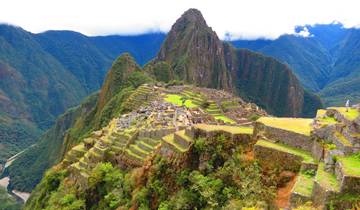
8 days
Southern Treasures – 8 Days
- ✓ Comprehensive Peru tour
- ✓ Expert local guides included
- ✓ All accommodation arranged
- ✓ Transportation provided
7 days
Inca Adventures – 7 Days (Lima, Paracas, Ica, Cusco, Machu Picchu & Rainbow Mountain) – With Domestic Flights
- ✓ Comprehensive Peru tour
- ✓ Expert local guides included
- ✓ All accommodation arranged
- ✓ Transportation provided
10 days
Peru Express – 10 Days (Lima – Cusco – Machu Picchu & Puno) With Domestic Flights
- ✓ Comprehensive Peru tour
- ✓ Expert local guides included
- ✓ All accommodation arranged
- ✓ Transportation provided
7 days
7 Day Cusco Travel Package: Cusco, Sacred Valley, Machu Picchu, Humantay Lake, and Rainbow Mountain.
- ✓ Comprehensive Peru tour
- ✓ Expert local guides included
- ✓ All accommodation arranged
- ✓ Transportation provided
Multi-day tour packages powered by TourRadar. Prices and availability subject to change.
Understanding Machu Picchu: History and Significance
Ancient Inca Masterpiece
Built around 1450 during the reign of Inca emperor Pachacuti, Machu Picchu served as a royal estate and sacred religious center at the height of the Inca Empire. The citadel demonstrates extraordinary engineering achievements including precisely fitted stone walls constructed without mortar, sophisticated water management systems that still function today, and agricultural terraces that prevented erosion while maximizing crop production in the steep mountain terrain. Archaeologists estimate that 1,200 people lived in the complex during its active period, comprising nobles, priests, and servants who maintained this mountain sanctuary.
The site’s strategic location along the Urubamba River provided access to the Amazon rainforest and coastal regions while maintaining defensive advantages through its elevated position. Inca builders transported massive granite blocks up the mountain without wheels or iron tools, creating structures that have withstood centuries of earthquakes through their interlocking stone technique. The complex includes over 150 buildings ranging from temples and residences to storage structures and astronomical observatories, all connected by stone staircases and water channels that showcase advanced hydraulic engineering.
Modern Discovery and Preservation
American historian Hiram Bingham brought international attention to Machu Picchu in 1911, though local Quechua farmers knew of the ruins long before his expedition. The Peruvian government has implemented comprehensive preservation measures since UNESCO designation, including visitor limits, circuit restrictions, and ongoing restoration projects. Current conservation efforts focus on drainage system maintenance, structural stabilization, and vegetation management to protect the site from natural weathering and visitor impact.
Modern archaeological research continues uncovering new insights about Machu Picchu’s purpose and inhabitants through excavations and advanced imaging technology. Scientists now understand the site’s astronomical alignments, ceremonial functions, and integration with surrounding Inca trail networks. These ongoing discoveries enhance our appreciation of Inca civilization’s sophistication and the site’s cultural significance to Peru’s indigenous communities.
Planning Your 2026 Visit: Essential Information
Entry Requirements and Ticket System
All visitors must purchase tickets through the official Peruvian government website at www.machupicchu.gob.pe. The booking system opens approximately 4 months in advance, with tickets often selling out for peak season dates within days of release. Four distinct circuits offer different routes through the site: Circuit 1 provides classic panoramic views from the upper terraces, Circuit 2 offers comprehensive access to major structures including the Temple of the Sun, Circuit 3 focuses on agricultural terraces and lower sections, and Circuit 4 explores the lower city and sacred plaza.
Select morning entry (6 AM-12 PM) for cooler temperatures and better photography lighting, or afternoon entry (12 PM-5:30 PM) for potentially fewer crowds and dramatic shadow patterns. Each ticket includes a maximum stay of 4 hours with specific entry and exit times. Re-entry is not permitted, so plan your visit strategically to maximize your time at this spectacular site. Bring your passport for entry as guards verify ticket names against identification documents.
Getting There: Transportation Options
Most visitors fly into Lima’s Jorge Chávez International Airport before taking a connecting flight to Cusco’s Alejandro Velasco Astete International Airport. From Cusco, two main routes lead to Machu Picchu: the scenic train journey through the Sacred Valley or the multi-day Inca Trail trek. Train service operates daily with three comfort levels ranging from standard tourist class ($70 one-way) to luxury Hiram Bingham service ($475 one-way). Book train tickets 60-90 days ahead through PeruRail or Inca Rail for the best selection and pricing.
The train departs from Cusco’s Poroy station or Ollantaytambo in the Sacred Valley, arriving at Aguas Calientes after a spectacular journey through mountain valleys and cloud forest. From Aguas Calientes, frequent buses depart every 10 minutes from 5:30 AM to 3:30 PM, climbing the switchback road to Machu Picchu’s entrance in 25 minutes. Round-trip bus tickets cost $24 and can be purchased at the bus station. Alternatively, hiking enthusiasts can climb the steep trail in 60-90 minutes, though the bus ride is recommended after spending hours exploring the ruins.
Accommodation Strategies
Aguas Calientes (officially named Machu Picchu Pueblo) serves as the gateway town with accommodation ranging from budget hostels ($25-40 per night) to mid-range hotels ($60-100) and luxury properties ($150-300). Book accommodation 2-3 months ahead for May-September visits. Staying overnight in Aguas Calientes allows early morning entry to Machu Picchu before the largest crowds arrive and provides flexibility if weather conditions affect visibility.
Alternatively, base yourself in Cusco’s historic center where hotel options are more diverse and prices are generally lower ($40-150 per night). This option works well for those combining Machu Picchu with Sacred Valley exploration but requires an early morning departure to catch the first train. Ollantaytambo offers a middle-ground option with charming accommodations ($50-120) and shorter train journey to Aguas Calientes while providing access to other Sacred Valley attractions.
On-Site Experience: Navigating the Ruins
The Four Circuit Routes
Circuit 1 (Panoramic Route) takes approximately 2 hours and delivers the classic Machu Picchu postcard views from the upper agricultural terraces. This route passes the Guardhouse, the best viewpoint for photography, before descending through the agricultural sector. Circuit 1 does not include the main urban area but provides spectacular overview perspectives perfect for capturing the site’s dramatic setting.
Circuit 2 (Classic Route) offers the most comprehensive 2.5-hour exploration including the upper terraces, urban sector, Temple of the Sun, Royal Palace, and Sacred Plaza. This circuit provides access to the most significant archaeological structures and represents the best value for first-time visitors wanting to understand the site’s layout and functions. The route includes numerous viewpoints and allows close examination of the remarkable stonework.
Circuit 3 (Royalty Route) emphasizes the agricultural terraces and lower urban sections during a 1.5-2 hour walk. This option suits visitors with mobility concerns as it involves less climbing and fewer stairs than other circuits. Circuit 4 (Lower Route) explores the lower city and sacred plaza in 1.5 hours, offering an alternative perspective on the site’s urban planning and residential areas.
Guided Tours vs. Independent Exploration
Hiring a licensed guide enhances your understanding of Machu Picchu’s history, architecture, and cultural significance through expert interpretation of the ruins. Official guides cost $35-50 for group tours (10-15 people) or $100-150 for private tours lasting 2-2.5 hours. Guides provide context about the site’s construction, astronomical alignments, and Inca civilization that transforms your visit from simple sightseeing to meaningful historical education. Book guides through your hotel, tour operators in Aguas Calientes or Cusco, or hire at the entrance.
Independent exploration offers flexibility to spend more time at favorite spots and move at your own pace. Download offline maps and audio guides before arrival as WiFi and cellular service are limited at the site. The official site map provided with your ticket shows major structures and helps with orientation. Whether guided or independent, allow 3-4 hours for thorough exploration including time for photography, rest breaks, and soaking in the remarkable atmosphere.
Practical Tips for Your Visit
Altitude Acclimatization
Cusco sits at 11,150 feet elevation while Machu Picchu rests at 7,970 feet, both high enough to cause altitude sickness in visitors arriving from sea level. Spend 2-3 days in Cusco before your Machu Picchu visit to acclimatize properly. Symptoms of altitude sickness include headaches, nausea, dizziness, and shortness of breath. Prevent problems by drinking plenty of water (3-4 liters daily), avoiding alcohol the first 24 hours, eating light meals, and moving slowly during initial activities.
Local coca tea helps alleviate mild altitude symptoms and is served at hotels throughout Cusco and Aguas Calientes. Consider consulting your doctor about altitude sickness medication like acetazolamide before departure. Most visitors adjust within 48 hours and feel comfortable for their Machu Picchu visit. The site’s lower elevation compared to Cusco actually provides relief for those still acclimatizing.
What to Pack
Essential items for your Machu Picchu visit include your passport (required for entry), printed or mobile tickets, comfortable hiking shoes with good traction, sun protection (hat, sunglasses, SPF 50+ sunscreen), insect repellent, rain jacket, reusable water bottle (refilling stations available at entrance), and snacks. The weather can change rapidly in the mountains, so dress in layers including a light fleece or jacket for morning visits when temperatures start around 45-50°F.
Leave large backpacks at your hotel or use the luggage storage service at Aguas Calientes bus station. Bags larger than 20 liters are not permitted inside the archaeological site. Walking sticks require rubber tips to prevent damage to ancient stones. The site has bathroom facilities only at the entrance, so use them before starting your circuit as no facilities exist within the ruins. Bring small bills in soles for bus tickets, tips, and purchases as credit cards are not accepted at all locations.
Food and Services
The site entrance has a small café serving basic snacks, sandwiches, and beverages at premium prices ($8-15 for meals). Bring your own snacks for better value and more options. Aguas Calientes offers numerous restaurants serving Peruvian and international cuisine with meals ranging $8-25. Try local specialties like ceviche, lomo saltado, and alpaca dishes at the town’s many eateries.
ATMs in Aguas Calientes dispense soles, Peru’s currency, though they often run low during peak season weekends. Bring sufficient cash from Cusco to cover all expenses. Most hotels and restaurants in Aguas Calientes accept US dollars but give better rates when paying in soles. Credit cards work at major hotels and tour operators but small businesses and markets deal primarily in cash.
Beyond the Ruins: Complementary Experiences
Huayna Picchu and Machu Picchu Mountain
Adventure seekers can purchase additional tickets to climb Huayna Picchu, the iconic peak rising 1,180 feet above the ruins, or the larger Machu Picchu Mountain. Both hikes require separate permits (200 for Huayna Picchu, 400 for Machu Picchu Mountain daily) and sell out weeks in advance. The Huayna Picchu climb takes 2-3 hours round-trip via steep stone stairs with cables for support, rewarding hikers with spectacular aerial views of the ruins. Machu Picchu Mountain offers a less crowded 3-4 hour round-trip hike with equally impressive panoramas.
These mountain permits include the standard site entry ticket and must be purchased as a package through the official booking system. Morning time slots (7-8 AM entry for Huayna Picchu, 7-8 AM or 9-10 AM for Machu Picchu Mountain) provide the best weather and lighting conditions. Both hikes require good fitness levels and are not recommended for those with fear of heights or recent arrivals at altitude.
Hot Springs in Aguas Calientes
Soak tired muscles in Aguas Calientes’ natural hot springs, located a 10-minute walk from town center at the base of the mountains. The thermal baths feature several pools with temperatures ranging 100-110°F, fed by geothermal springs flowing from the surrounding peaks. Entrance costs 20 soles ($5.50) with lockers available for valuables. Open daily 5 AM to 8:30 PM, the springs are most enjoyable after your Machu Picchu visit or at sunset when crowds thin out.
Mandor Waterfalls
Hike to Mandor Waterfalls, a hidden gem 1.5 hours from Aguas Calientes through cloud forest trails. The moderate 5-mile round-trip hike passes through lush vegetation with opportunities to spot local birds and butterflies before reaching the 100-foot cascade. Entrance costs 10 soles ($2.75) with basic facilities at the trailhead. This excursion works well for visitors with afternoon Machu Picchu tickets or those spending extra days in the area.
Sustainable Tourism and Conservation
Protecting the Site
Machu Picchu’s preservation depends on responsible visitor behavior and adherence to site rules. Stay on designated paths to prevent erosion and damage to archaeological structures. Do not touch or climb on stone walls, temples, or terraces as oils from human skin accelerate deterioration. Littering is strictly prohibited with heavy fines enforced. Use designated rest areas and viewpoints rather than sitting on ancient structures.
The single-use plastics ban at the site requires visitors to bring reusable water bottles. Food consumption is not permitted within the archaeological zone to prevent pest problems and maintain the site’s sanctity. These conservation measures ensure future generations can experience Machu Picchu’s magnificence while protecting Peru’s most important cultural heritage site.
Supporting Local Communities
Your tourism spending supports local Quechua communities descended from the Inca civilization. Purchase authentic handicrafts from artisan markets in Aguas Calientes and Cusco where weavers demonstrate traditional techniques. Stay at locally-owned hotels and eat at family-run restaurants to ensure your money benefits regional communities. Consider visiting Quechua villages in the Sacred Valley to learn about traditional lifestyles and agricultural practices that continue ancient traditions.
Responsible tour operators employ local guides and contribute portions of their profits to community development and conservation projects. Choose these operators over international chains when booking Machu Picchu tours and Sacred Valley excursions. Tipping guides, drivers, and hotel staff in soles rather than dollars provides better value and acknowledges quality service.
Planning Your 2026 Visit: Strategic Timeline
Booking Timeline Strategy
Begin planning your 2026 Machu Picchu visit 6-8 months ahead for optimal availability and pricing. Book international flights to Lima 4-6 months out when prices are most competitive, typically $700-1,100 round-trip from major US cities. Domestic flights from Lima to Cusco ($80-150 round-trip) should be reserved after international flights are confirmed to ensure connection times align.
Purchase Machu Picchu entrance tickets as soon as the booking window opens (approximately 4 months ahead) especially for May-September visits. Reserve train tickets to Aguas Calientes 2-3 months ahead through PeruRail or Inca Rail websites. Book accommodation in Aguas Calientes or Cusco 2-3 months ahead during peak season or 4-6 weeks ahead for shoulder season visits.
Optimal Visit Duration
Plan 5-7 days in Peru for a comprehensive Machu Picchu experience including acclimatization time in Cusco, Sacred Valley exploration, and the ruins visit. A typical itinerary includes: Day 1 – Arrive Lima and connect to Cusco, Day 2 – Cusco acclimatization and city tour, Day 3 – Sacred Valley day trip, Day 4 – Train to Aguas Calientes, Day 5 – Machu Picchu visit and return to Cusco, Day 6 – Cusco exploration or return to Lima, Day 7 – Depart Peru.
This schedule allows proper altitude adjustment, reduces rush, and provides buffer time for weather delays or changed plans. Extending your stay enables additional experiences like Rainbow Mountain, Inca Trail trekking, or Amazon rainforest excursions from Cusco.
Budget Planning for 2026
Budget $1,200-2,000 per person for a 5-day Cusco-Machu Picchu trip excluding international flights. Major expenses include: Machu Picchu entrance $40, train to Aguas Calientes $140-200 round-trip, bus to ruins $24 round-trip, accommodation $60-120 per night, meals $30-50 daily, guided tour $35-50, and domestic flights Cusco-Lima $80-150. Additional costs cover tips, souvenirs, entrance fees to other attractions, and optional experiences like hot springs or mountain hikes.
Budget travelers can reduce costs by staying in Cusco rather than Aguas Calientes, choosing standard train class, eating at local markets, and joining group tours. Mid-range travelers typically spend $150-200 daily while luxury travelers budget $300-500 daily for premium hotels, private guides, and first-class train service. Book key elements 60-90 days ahead for the best value.
2026 Updates & Changes
Visitor Management System
The current circuit-based entry system continues in 2026 with four designated routes through the archaeological site. Advance online booking remains mandatory through the official government website. Entry time slots are enforced with morning sessions (6 AM-12 PM) and afternoon sessions (12 PM-5:30 PM). Maximum stay duration of 4 hours allows efficient visitor flow while maintaining capacity limits that protect the site from overuse.
Access and Transportation
Train service from Cusco and Ollantaytambo to Aguas Calientes operates daily with three service levels. PeruRail and Inca Rail continue as the two authorized operators with advance booking recommended 60-90 days ahead. Bus service from Aguas Calientes to the site entrance runs every 10 minutes during operating hours. Current pricing and schedules are available through operator websites.
Weather Considerations
Peru’s dry season (May-September) offers the most reliable weather for Machu Picchu visits with rainfall probability below 15% and daytime temperatures averaging 65-70°F. Wet season (November-March) brings daily afternoon rain showers and lush green landscapes with fewer crowds. June through August provides peak conditions with clear mountain views and minimal rain, though these months see the highest visitor numbers. Plan accordingly based on weather priorities versus crowd tolerance.
Health and Safety
Check US State Department travel advisories before departure. Comprehensive travel insurance is recommended for international trips including emergency medical coverage and evacuation benefits. COVID-19 requirements have been lifted for Peru entry, though verify current health protocols on the US Embassy Peru website before travel. Standard vaccinations for Peru include Hepatitis A, Typhoid, and Yellow Fever if visiting Amazon regions after Machu Picchu.

Frequently Asked Questions
Can I visit Machu Picchu without a guide?
Yes, you can explore Machu Picchu independently without hiring a guide. The site provides basic signage and your entrance ticket includes a map showing the circuit route and major structures. However, hiring a licensed guide enhances your understanding of the ruins’ history, architecture, and cultural significance. Guides cost $35-50 for group tours and provide valuable context that transforms your visit from simple sightseeing to meaningful historical education.
What is the best circuit to choose at Machu Picchu?
Circuit 2 offers the most comprehensive experience for first-time visitors, including access to the upper terraces, major temples, the Royal Palace, and Sacred Plaza during a 2.5-hour route. This circuit provides the classic Machu Picchu experience with diverse viewpoints and close access to significant archaeological structures. Circuit 1 works well for photographers prioritizing panoramic views, while Circuits 3-4 suit visitors with mobility concerns or those making return visits.
How long should I spend at Machu Picchu?
Allocate 3-4 hours for thorough exploration of your chosen circuit including time for photography, rest breaks, and absorbing the site’s atmosphere. Your entrance ticket allows a maximum 4-hour stay within your selected time slot. Plan to arrive at the site entrance 15-30 minutes before your entry time for ticket verification and bathroom use, as facilities do not exist within the archaeological zone.
Can I bring a backpack to Machu Picchu?
Small backpacks under 20 liters are permitted at Machu Picchu for carrying water, snacks, rain gear, and cameras. Larger bags must be stored at luggage facilities in Aguas Calientes or at your hotel. The site prohibits single-use plastics, so bring reusable water bottles. Walking sticks require rubber tips to prevent damage to ancient stones. Professional camera equipment and drones are not permitted without special authorization.
Is altitude sickness a concern at Machu Picchu?
Machu Picchu sits at 7,970 feet elevation, lower than Cusco’s 11,150 feet. Most visitors experience altitude effects in Cusco rather than at the ruins. Acclimatize by spending 2-3 days in Cusco before your visit, drinking plenty of water (3-4 liters daily), avoiding alcohol initially, eating light meals, and moving slowly during first-day activities. Coca tea helps alleviate mild symptoms. Consult your doctor about altitude medication if concerned.
What should I wear to Machu Picchu?
Wear comfortable hiking shoes with good traction for uneven stone paths and stairs. Dress in layers including breathable shirt, light fleece, and waterproof jacket as mountain weather changes rapidly. Morning temperatures start around 45-50°F warming to 65-70°F by midday. Bring a sun hat, sunglasses, and SPF 50+ sunscreen as high-altitude sun is intense. Long pants protect against brush on narrow paths and prevent insect bites.
Can I visit Machu Picchu in one day from Cusco?
Yes, one-day Machu Picchu visits from Cusco are possible but make for long days. Take the early train from Ollantaytambo (6:10 AM) or Cusco (6:40 AM), visit the ruins for 3-4 hours with a morning entry ticket, then return on afternoon trains arriving back by evening. This rushed schedule works for travelers with limited time but staying overnight in Aguas Calientes provides more flexibility and reduces travel stress while allowing early morning entry before crowds arrive.
Are there restaurants inside Machu Picchu?
A small café near the entrance serves basic snacks, sandwiches, and beverages at premium prices ($8-15). No food facilities exist within the archaeological zone. Bring your own snacks for better value and variety. Eat a substantial breakfast before arrival and plan a proper meal in Aguas Calientes after your visit. The town offers numerous restaurants serving Peruvian and international cuisine with meals ranging $8-25.
What is the refund policy for Machu Picchu tickets?
The official booking system offers refunds up to 72 hours before your scheduled entry time for a small administrative fee (approximately 10% of ticket cost). Refunds are not available within 72 hours of entry time. Consider purchasing travel insurance that covers ticket costs if you must cancel your visit due to illness, weather, or other unforeseen circumstances. Check official website policies before booking as regulations may change.
Can I change my Machu Picchu ticket date?
Date changes are possible up to 72 hours before your scheduled entry time through the official booking system for a small fee. Changes within 72 hours are not permitted. Book your initial date with some flexibility in your Peru itinerary to accommodate potential weather delays or travel disruptions. Having an extra day buffer in Cusco before returning home helps ensure you don’t miss your Machu Picchu visit due to unforeseen circumstances.


