How Much Does It Cost to Go to Peru for a Week in 2026: Complete Budget Guide
Key Takeaways
- A week in Peru costs $1,200-1,800 for budget travelers, $2,200-3,200 for mid-range visitors, and $4,500-7,000+ for luxury experiences in 2026
- Machu Picchu entrance tickets cost $45-75 depending on circuit choice in 2026, with advance booking 3-4 months ahead essential for peak season visits
- Lima-Cusco flights range $80-180 round-trip when booked early, while Peru Rail to Machu Picchu costs $140-190 round-trip for the most economical Expedition service
- Cusco accommodation spans $15-30 per night in hostels, $60-120 in mid-range hotels, and $200-500+ in luxury properties during 2026 peak season
- The optimal budget strategy combines advance booking for flights and Machu Picchu tickets, shoulder season travel in April-May or September-October, and mixing street food with occasional restaurant meals
- Hidden costs include altitude sickness medication ($15-25), tourist tickets for Sacred Valley sites ($40-70), and the $31 Peru departure tax often not included in ticket prices
- Contact us by filling out the trip planner form, our expert travel advisors will work closely with you to create your tailor-made itinerary (Free Service)
Planning Your Week-Long Peru Trip in 2026
Peru stands as South America’s most diverse travel destination, offering ancient Incan ruins, colonial architecture, Amazon rainforest, coastal cuisine, and Andean mountain culture within a single week-long journey. Understanding the true cost of experiencing Peru requires breaking down expenses across multiple regions, transportation modes, and experience levels while accounting for the country’s dual pricing structure that charges foreigners higher rates at major archaeological sites.
The 2026 travel landscape in Peru reflects post-pandemic tourism recovery with stabilized pricing, improved infrastructure in popular routes, and enhanced booking systems for high-demand attractions like Machu Picchu. International flights to Lima Jorge Chávez International Airport connect through major hubs in North America, Europe, and other South American cities, with arrival typically marking the start of a carefully planned circuit through Peru’s highlights.
A typical week-long Peru itinerary covers three distinct zones: Lima’s coastal capital for arrival and departure, Cusco and the Sacred Valley for Incan heritage exploration, and Machu Picchu as the journey’s climax. This routing optimizes both time and budget while delivering Peru’s essential experiences. Budget planning requires accounting for Peru’s official currency (Peruvian Sol, with $1 USD = approximately 3.70 PEN in early 2026), though US dollars remain widely accepted in tourist areas with competitive exchange rates.
The cost structure varies dramatically based on travel style, season timing, and booking strategy. Budget travelers utilize hostels, street food, public buses, and group tours to minimize expenses. Mid-range visitors balance comfort with value through boutique hotels, local restaurants, private transfers, and small-group experiences. Luxury travelers access Peru’s finest accommodations, gourmet dining, private guides, and exclusive experiences that showcase the country’s cultural richness at premium prices.
Seasonal pricing fluctuations significantly impact overall costs. Peru’s dry season from May through September attracts peak tourist volume with corresponding price increases of 30-50% across accommodations, tours, and services. The shoulder seasons of April and October offer ideal weather with moderate pricing, while the rainy season from November through March delivers the lowest prices but challenging conditions in highland regions.
People Also Ask About Peru Week-Long Trip Costs 2026
How much money should I budget for 7 days in Peru in 2026?
Budget $1,200-1,800 total for economical travel, $2,200-3,200 for mid-range comfort, or $4,500-7,000+ for luxury experiences during a week in Peru in 2026. Budget travelers spend $170-260 daily, mid-range visitors $315-460 daily, and luxury travelers $640-1,000+ daily. These totals include international flights from North America ($400-800), domestic Lima-Cusco flights ($80-180), accommodations across all destinations ($15-500 per night depending on category), meals ranging from $3 street food to $50+ fine dining, Machu Picchu entrance and train ($185-265 combined), Sacred Valley tours and entrance fees ($40-150), and miscellaneous expenses for tips, souvenirs, and unexpected costs.
The budget breakdown allocates approximately 35-40% to transportation including international and domestic flights, 25-30% to accommodations, 15-20% to food and beverages, 15-20% to activities and entrance fees, and 5-10% to miscellaneous expenses. International flight costs vary significantly based on departure city and booking timing, with advance purchase 2-3 months before departure securing optimal pricing. Peak season travel in June-August commands premium prices across all categories, while shoulder season visits in April-May or September-October reduce total costs by 20-30% through lower accommodation rates and greater availability.
Is Peru expensive to visit compared to other South American countries in 2026?
Peru positions in the mid-range pricing tier among South American destinations in 2026, less expensive than Chile and Argentina but costlier than Bolivia and Ecuador. Daily budget requirements in Peru average $170-260 for budget travel compared to $150-220 in Bolivia, $200-300 in Argentina, and $140-200 in Ecuador. The primary cost drivers in Peru include mandatory tourist pricing at archaeological sites (Machu Picchu, Sacred Valley complexes), premium pricing on the iconic Peru Rail route to Machu Picchu, and tourist-zone accommodation rates in Cusco and Aguas Calientes that exceed regional averages by 40-60%.
However, Peru delivers exceptional value outside major tourist circuits. Lima’s local neighborhoods offer authentic dining experiences at $5-12 per meal, Cusco’s San Blas district features family-run guesthouses at $25-45 per night, and Sacred Valley towns like Pisac and Ollantaytambo provide budget-friendly bases with superior cultural immersion. Street food throughout Peru remains remarkably affordable with complete meals available for $2-4, while local markets offer fresh produce, snacks, and beverages at prices 60-70% below tourist restaurant rates. The key to budget optimization involves strategic mixing of tourist experiences with local alternatives, advance booking for high-demand services, and willingness to explore beyond the standard gringo trail.
What is the cheapest month to visit Peru in 2026?
January through March represent the most economical months for Peru travel in 2026, with accommodation rates 30-50% below peak season pricing and significantly reduced demand at major attractions. January offers the lowest prices with hotel rates in Cusco dropping to $40-70 for mid-range properties compared to $80-140 in high season, while hostels reduce rates to $10-18 per night versus $20-35 in peak months. Flight prices from North America decrease by $150-250 during these months as airlines reduce capacity and offer promotional fares to maintain load factors.
The tradeoff involves Peru’s rainy season conditions that affect highland and jungle regions significantly. Cusco and the Sacred Valley receive substantial rainfall with afternoon showers common throughout January-March, creating muddy trails, obscured mountain views, and occasional Inca Trail closures due to dangerous conditions. Machu Picchu remains open year-round but morning cloud cover and afternoon rain reduce visibility and photography opportunities. However, February’s Carnival celebrations add cultural value despite weather challenges, while fewer tourists create more intimate experiences at major sites. The optimal compromise for budget-conscious travelers arrives in November or early December when rainy season discounts begin but weather remains generally favorable for exploration.
Do I need to book Machu Picchu tickets in advance for 2026?
Advance booking 2-4 months before your intended visit date proves essential for Machu Picchu access in 2026, particularly for travel during May through September peak season. The Peruvian government limits daily visitors to 4,500 across four entry time slots (6 AM, 7 AM, 8 AM, 9 AM) to preserve the archaeological site, with tickets frequently selling out weeks ahead during high season. Circuit selection also requires advance planning, as Circuit 1 (classic postcard views) and Circuit 2 (extended exploration with Temple access) book faster than Circuit 3 (alternative route) and Circuit 4 (Inca Bridge trek).
Check machupicchu.gob.pe for current official rates and availability as pricing varies by circuit. Booking through official channels costs $45-75 per person depending on circuit choice in 2026, while third-party agencies charge $60-95 with added service fees but provide convenience for complex itineraries combining Machu Picchu with Huayna Picchu or Machu Picchu Mountain access. The most popular combination pairs Circuit 2 with Huayna Picchu mountain climb (additional $75, limited to 400 daily climbers) or Machu Picchu Mountain ascent (additional $75, limited to 800 daily climbers). These specialized tickets sell out 3-4 months ahead in peak season.
Peru Rail and Inca Rail train tickets to Aguas Calientes require similarly advance booking, with the most economical Expedition/Voyager services selling out 4-6 weeks ahead during high season. Waiting until arrival in Cusco to book Machu Picchu tickets and trains creates significant risk of availability issues, potentially forcing expensive alternative arrangements or complete itinerary changes. Budget planning should account for these advance bookings when calculating initial trip deposits and payment schedules.
Multi-Day Tour Packages
Featured Peru Multi-Day Tour Packages

3 days
Peru 3-Day Discovery Tour
- ✓ Comprehensive Peru experience
- ✓ Expert local guides included
- ✓ All accommodation included
- ✓ Transportation provided

5 days
Peru 5-Day Highlights Experience
- ✓ Comprehensive Peru experience
- ✓ Expert local guides included
- ✓ All accommodation included
- ✓ Transportation provided
7 days
Peru 7-Day Cultural Journey
- ✓ Comprehensive Peru experience
- ✓ Expert local guides included
- ✓ All accommodation included
- ✓ Transportation provided

10 days
Peru 10-Day Complete Adventure
- ✓ Comprehensive Peru experience
- ✓ Expert local guides included
- ✓ All accommodation included
- ✓ Transportation provided
Multi-day tour packages powered by TourRadar. Prices and availability subject to change.
Essential Planning Information 2026
Understanding Peru’s Pricing Structure and Currency
Peru operates with the Peruvian Sol (PEN) as official currency, with exchange rates hovering around 3.70 PEN per US dollar in early 2026. US dollars remain widely accepted throughout tourist areas in Lima, Cusco, and Aguas Calientes, though exchange rates at hotels and tourist shops run 5-8% below official rates. ATMs provide the most favorable exchange rates with typical withdrawal fees of $3-6 per transaction, making large withdrawals more economical than multiple small ones. Most ATMs in Peru dispense both Soles and US dollars, allowing strategic currency selection based on upcoming purchases.
Credit cards function reliably in mid-range and upscale establishments, tourist restaurants, hotels, and tour agencies, though 3-5% processing fees appear common. Budget accommodations, street vendors, local markets, and small neighborhood restaurants operate cash-only. The dual pricing structure at archaeological sites charges foreign visitors 2-3 times local rates, with Machu Picchu at $45-75 for foreigners versus $25 for Peruvian residents. This practice extends to museums, cultural sites, and some regional attractions throughout the country.
Tipping customs in Peru call for 10% at sit-down restaurants, $2-3 per day for hotel housekeeping, $5-10 per day for tour guides, and $3-5 per day for drivers. Many restaurants add a 10% service charge to bills, though additional tipping for exceptional service remains appreciated. Bargaining proves acceptable and expected at markets, with vendors typically starting at 30-50% above their lowest acceptable price. Tour operators and hotels quote prices in both Soles and US dollars, with dollar pricing often more favorable due to built-in exchange rate margins.
Current Costs and Entry Requirements 2026
Peru eliminated COVID-19 entry requirements in late 2023, with standard entry procedures resuming for 2026 travel. US, Canadian, European Union, Australian, and most South American passport holders receive automatic 183-day tourist visas upon arrival at no cost. Passport validity requirements mandate 6 months beyond departure date, with at least 2 blank pages for entry stamps. Peru charges a $31 departure tax (TUUA) for international flights, typically included in airline ticket prices but occasionally collected separately at check-in for some carriers.
No vaccinations prove mandatory for Peru entry, though yellow fever vaccination receives strong recommendation for travelers visiting Amazon regions or arriving from yellow fever endemic countries. The CDC recommends routine vaccinations (measles, chickenpox, polio) plus hepatitis A, typhoid, and altitude sickness medication for Cusco and highland travel. Travel insurance costs $40-120 per week depending on coverage level and age, with emergency medical coverage essential given Peru’s limited medical infrastructure outside major cities and potential need for emergency evacuation from remote areas.
International phone connectivity costs $10-15 daily for roaming on US carriers, while local SIM cards cost $10-20 for 2-4GB data packages valid 7-15 days. Claro and Movistar provide the most reliable coverage throughout Peru, with Entel offering competitive pricing but more limited rural coverage. Wi-Fi availability reaches near-universal levels in hotels, hostels, restaurants, and cafes in tourist areas, though connection speeds vary significantly with budget accommodations offering slower, less reliable service than mid-range and luxury properties.
Accommodation Costs 2026 in Peru’s Key Destinations
Lima Accommodation Options and Pricing
Lima offers Peru’s widest accommodation range from budget hostels in Miraflores starting at $12-25 per night to luxury ocean-view hotels in San Isidro reaching $300-600 per night during 2026. The capital city serves primarily as arrival and departure hub for most week-long Peru itineraries, with travelers typically spending 1-2 nights rather than extended stays. Miraflores district delivers the optimal balance of safety, restaurant access, coastal views, and walkability for first-time visitors, with mid-range hotels pricing $70-140 per night for double occupancy.
Budget hostels cluster in Miraflores and Barranco neighborhoods, offering dormitory beds at $12-22 per night and private rooms at $35-60 per night with shared bathrooms. These properties typically include basic breakfast (bread, jam, coffee, fruit), free Wi-Fi, communal kitchens, and social common areas. Mid-range boutique hotels in Miraflores and San Isidro charge $70-140 per night with private bathrooms, hot water, breakfast buffets, and often rooftop terraces or courtyards. Luxury properties like Belmond Miraflores Park or Country Club Lima Hotel command $300-600 per night with ocean views, fine dining restaurants, spas, and concierge services.
Lima’s coastal location moderates temperature year-round, eliminating heating and air conditioning concerns that drive costs in other South American capitals. November through March brings Lima’s summer with higher accommodation rates and greater tourist volume, while June through September delivers cooler temperatures, persistent cloud cover, and 20-30% lower hotel rates. Advance booking 4-8 weeks before arrival secures better rates than same-week bookings, particularly during South American holiday periods in July and December-January when domestic tourists fill properties.
Cusco Accommodation Costs and Neighborhood Selection
Cusco accommodation pricing reflects the city’s position as Peru’s primary tourist hub and gateway to Machu Picchu, with rates 30-50% higher than comparable properties in Lima or Arequipa. Budget hostels in San Blas and historic center neighborhoods charge $15-30 per night for dormitory beds and $40-75 for private rooms during 2026 high season. These properties occupy colonial buildings with courtyards, offer basic breakfast service, and provide oxygen in rooms given Cusco’s 11,150-foot elevation that causes altitude sickness in many arrivals.
Mid-range hotels in Cusco span $80-160 per night for double occupancy, featuring colonial architecture, central heating (essential for cold highland nights), hot water, breakfast buffets, and locations within 5-10 minutes walk of Plaza de Armas. Properties like Casa Andina or Costa del Sol offer reliable service, modern amenities, and tour booking assistance. Luxury hotels reach $250-500+ per night at properties like Belmond Hotel Monasterio or Palacio del Inka, delivering heated pools, oxygen-enriched rooms, gourmet restaurants, and spa facilities that ease altitude adjustment.
San Blas neighborhood provides Cusco’s best value with authentic character, artisan shops, local restaurants, and properties 20-40% cheaper than comparable hotels near Plaza de Armas. The tradeoff involves steep cobblestone streets challenging for travelers with heavy luggage and those still adjusting to altitude. San Cristobal offers similar value with spectacular city views but requires even more strenuous uphill walks. The historic center near Plaza de Armas delivers maximum convenience at premium prices, ideal for travelers prioritizing location over value or those with limited time in Cusco.
Sacred Valley and Aguas Calientes Accommodation Strategy
Sacred Valley towns including Ollantaytambo, Urubamba, and Pisac offer accommodation alternatives to Cusco at 15-25% lower rates with superior weather, lower elevation (reducing altitude sickness risk), and more authentic cultural experiences. Budget hostels in Ollantaytambo charge $12-25 per night, while family-run guesthouses cost $30-55 per night with breakfast and home-cooked dinner options. Mid-range hotels in Sacred Valley reach $60-120 per night, often featuring extensive grounds, gardens, and mountain views unavailable in Cusco’s dense urban environment.
Luxury Sacred Valley properties like Tambo del Inka in Urubamba or Explora Valle Sagrado command $400-800+ per night with all-inclusive packages covering meals, guided excursions, spa treatments, and transfers. These properties serve travelers seeking immersive cultural experiences with expert guides, farm-to-table dining, and comprehensive Sacred Valley exploration rather than Cusco-based touring. The strategic benefit of Sacred Valley accommodation involves proximity to Ollantaytambo train station, reducing morning departure stress for Machu Picchu trips and providing full-day exploration of Pisac, Moray, and Maras salt mines.
Aguas Calientes (Machu Picchu Pueblo) suffers captive market pricing with accommodation costs 50-100% above comparable Cusco properties. Budget hostels start at $25-45 per night, mid-range hotels reach $100-180 per night, and luxury properties like Inkaterra or Sumaq command $400-700+ per night. Most travelers visit Aguas Calientes as day-trip from Cusco or Ollantaytambo, returning same day to avoid inflated accommodation and dining costs. Overnight stays make sense only for travelers wanting sunrise Machu Picchu visits (6 AM entry requires 4:30 AM departure from Cusco) or those staying at luxury properties offering comprehensive packages with spa services and fine dining.
Food and Dining Budget 2026 Across Peru
Street Food and Local Market Dining
Peruvian street food delivers exceptional value and quality with complete meals available for $2-5 throughout Lima, Cusco, and smaller cities. Menu del día (fixed-price lunch menus) appear at small restaurants and market stalls from 11:30 AM to 3 PM, typically offering soup, main course with rice and protein, and beverage for $3-5. These menus provide authentic Peruvian cuisine including lomo saltado (stir-fried beef), ají de gallina (creamy chicken), or ceviche (fresh raw fish in citrus marinade) at prices 70-80% below tourist restaurant rates.
Empanadas (meat or cheese filled pastries) cost $0.80-1.50 each at street vendors and bakeries, serving as economical breakfast or snack options. Anticuchos (grilled meat skewers) range $1.50-3 for three skewers at evening street vendors, particularly popular in Lima’s neighborhoods and Cusco’s San Pedro market area. Tamales (corn dough with meat filling steamed in banana leaves) cost $1-2 each, available at morning market stalls and street corners throughout Peru. Fresh fruit juices run $1-2 for large glasses, while bottled water costs $0.50-1 at corner stores compared to $1.50-3 at tourist restaurants.
Market food courts in San Pedro Market (Cusco) and Surquillo Market (Lima) offer the most economical dining with breakfast plates at $2-3, lunch combinations at $3-5, and fresh juices at $0.75-1.25. These venues provide safe, hygienic food preparation with high turnover ensuring freshness, though travelers with sensitive stomachs should observe food handling practices and choose vendors with active local clientele. Budget travelers eating primarily street food and market meals spend $15-25 daily on food, while those mixing street food with occasional restaurant dinners reach $25-40 daily.
Restaurant Dining Costs and Tipping Customs
Local neighborhood restaurants in Lima and Cusco charge $8-18 per person for dinner including appetizer, main course, and beverage at establishments frequented by Peruvian families rather than tourists. These restaurants deliver authentic cuisine with generous portions, attentive service, and menus entirely in Spanish. Tourist-oriented restaurants in Miraflores, Cusco’s Plaza de Armas vicinity, and Aguas Calientes charge $15-30 per person for comparable meals with English menus, international cuisine options, and servers accustomed to foreign visitors.
Mid-range dining at highly-rated establishments costs $25-45 per person for three courses with wine or cocktails, featuring refined Peruvian cuisine using local ingredients like quinoa, alpaca, trout, and native potatoes. Lima’s Barranco neighborhood offers exceptional dining value with innovative restaurants charging 30-40% less than similar quality in Miraflores. Fine dining experiences in Lima reach $60-120+ per person at celebrated restaurants like Central, Maido, or Astrid y Gastón, delivering world-class cuisine that positions Peru as South America’s culinary capital.
Tipping practices call for 10% at all sit-down restaurants, though many establishments add automatic service charges to bills covering staff wages and benefits. Check bills carefully to avoid double-tipping when service charges appear. Fast-casual restaurants, cafes, and food courts don’t expect tips, while coffee shop counter service merits small change tips of $0.25-0.50 for exceptional service. Alcohol pricing in restaurants adds 30-50% to meal costs, with beer at $3-6, wine by glass at $5-10, and cocktails at $8-14 in tourist areas.
Budget Dining Strategies for Week-Long Stays
Optimal budget management involves strategic meal planning throughout the week with breakfast at accommodations when included (saves $5-8 daily), lunch at local restaurants or markets utilizing menu del día specials ($3-5), and dinner split between budget options and occasional splurges at rated restaurants. This approach keeps food costs at $30-50 daily for mid-range travelers while allowing restaurant experiences and local culinary discoveries. Budget travelers eating primarily street food and markets maintain $15-25 daily food costs, while luxury travelers dining exclusively at tourist restaurants and fine establishments reach $80-150 daily.
Supermarkets including Wong, Metro, and Plaza Vea in Lima and Cusco offer sandwich ingredients, snacks, bottled water, and breakfast items at prices 40-60% below restaurant rates. Hostel kitchens allow meal preparation for travelers comfortable cooking, though most Peru visitors prioritize experiencing local cuisine over self-catering. Morning coffee and pastry runs cost $2-4 at local bakeries versus $5-8 at tourist cafes, providing daily savings that accumulate significantly over week-long trips.
Avoiding bottled beverages at restaurants saves substantial money, with free tap water safe in major cities like Lima and Cusco after asking for “agua hervida” (boiled water) or bringing portable water filters. Requesting “sin hielo” (without ice) prevents potential stomach issues from ice made with untreated water. Alcoholic beverages in restaurants cost 2-3 times supermarket prices, making pre-dinner purchases economical for travelers comfortable carrying beer or wine to accommodations. Most hostels and budget hotels allow outside beverages, while mid-range and luxury properties enforce strict policies requiring on-premise purchases.
Transportation Costs 2026 Throughout Peru
International Flight Costs to Lima
International flights to Lima Jorge Chávez International Airport from North American cities range $400-900 round-trip depending on origin city, season, and booking timing for 2026 travel. East Coast departures from Miami, New York, and Atlanta price $450-750 with LATAM, United, or American Airlines offering multiple daily frequencies. West Coast flights from Los Angeles and Houston run $500-850, while secondary cities require connections adding $100-200 to total costs. Advance booking 60-90 days before departure secures optimal pricing, while last-minute purchases within 14 days command premium fares 40-70% above advance rates.
Peak season travel from June through August and December holidays pushes flight costs up by $150-300 versus shoulder season April-May or September-October. Red-eye flights departing late evening and arriving early morning in Lima typically price $50-100 below daytime departures, though they consume valuable touring time with arrival fatigue. Error fares and flash sales occasionally drop Lima flights to $300-450 round-trip from major hubs, requiring flexible travel dates and quick booking when opportunities appear.
Budget airlines including Viva Air and Sky Airline serve Lima from select South American cities at significantly reduced costs versus legacy carriers, though checked baggage fees, seat selection charges, and limited route networks restrict appeal for North American travelers. European visitors face higher costs with London-Lima round-trip averaging €700-1,100 and Madrid-Lima at €650-950, requiring 12-15 hour journey times with at least one connection. The $31 Peru departure tax appears in most ticket prices but merits verification during booking to avoid surprise airport charges.
Domestic Flight Costs Lima to Cusco
Lima to Cusco domestic flights cost $80-180 round-trip when booked 4-8 weeks in advance through LATAM, Avianca, or Sky Airlines during 2026. This essential connection saves 20+ hours of overland bus travel, making flights the unanimous choice for week-long itineraries. Morning departures from Lima reach Cusco by 8:30-9:30 AM, allowing same-day Sacred Valley touring or Cusco acclimatization walks. Return evening flights depart Cusco 5-7 PM, accommodating full final day activities before overnight connections to North America.
Flight duration runs 1 hour 20 minutes with multiple daily frequencies from 6 AM through 9 PM, providing scheduling flexibility. Advance booking proves essential, with prices doubling to $160-350 round-trip when purchased within 2 weeks of travel during peak season. Budget airlines like Sky or Viva Air undercut legacy carriers by 20-30% but enforce strict baggage policies with checked bags costing $25-40 each direction versus free inclusion with LATAM or Avianca. Carry-on limits of 8-10kg (18-22 lbs) work fine for week-long trips with light packers but challenge travelers carrying camping gear or extensive photography equipment.
Alternative domestic routes include Lima-Arequipa ($70-140), Cusco-Puerto Maldonado for Amazon access ($90-160), and Lima-Iquitos for northern Amazon exploration ($140-240), though these destinations don’t fit standard week-long Peru itineraries focused on Incan heritage. Overland Lima-Cusco bus travel costs $25-45 for 20-22 hour journey with semi-cama (reclining) seats through Cruz del Sur or Oltursa companies, appealing only to budget travelers with extended schedules willing to sacrifice comfort and touring time for transportation savings.
Train Costs to Machu Picchu
Train service from Cusco or Ollantaytambo to Aguas Calientes (Machu Picchu town) represents Peru’s most expensive transportation segment, with round-trip costs reaching $140-450 per person in 2026 depending on service class and route. Peru Rail operates the primary service with Expedition class (economy) at $140-190 round-trip Ollantaytambo-Aguas Calientes, Vistadome class (panoramic windows) at $220-280, and luxury Hiram Bingham service at $950+ including meals, bar service, and VIP site access. Inca Rail offers competitive Voyager class at $140-180, First Class at $200-260, and Presidential Class at $400-500.
Departure times from Ollantaytambo run 5:30 AM through 9 PM, with earliest departures allowing morning Machu Picchu arrival by 8-9 AM after 1.5 hour train journey plus bus transfer. Return trains operate 2:30 PM through 9 PM, providing flexible scheduling though most travelers depart 4-5 PM after full-day site exploration. Poroy station near Cusco offers limited service at higher fares ($190-240 Expedition class) but eliminates Sacred Valley transfers, saving 90 minutes each direction. Train tickets sell out 4-8 weeks ahead during May-September peak season, requiring advance booking immediately after securing Machu Picchu entrance tickets.
The economical alternative involves Cusco-Hidroelectrica van service ($20-30 each way, 6-7 hour journey) followed by 2-hour walk along train tracks to Aguas Calientes, saving $220-340 per person versus train but consuming most of the day in transportation. This option works only for travelers with strong hiking ability, limited budgets, and tolerance for basic conditions, as vans lack comfort and safety standards of established bus companies. Most visitors prioritize train service as essential Machu Picchu experience component given spectacular Urubamba River valley scenery and comfortable journey meriting premium pricing.
Local Transportation in Lima and Cusco
Lima’s Metropolitano BRT (Bus Rapid Transit) system costs $0.80 per ride with smartcard purchase, serving Miraflores to downtown Lima in 30-45 minutes through dedicated lanes avoiding notorious traffic congestion. Taxis in Lima charge $3-8 for short rides within neighborhoods, $10-18 between Miraflores and downtown, and $20-35 for airport transfers. Uber, Cabify, and Beat apps function reliably in Lima with prices 10-20% below traditional taxis and English-speaking drivers. Most Lima visitors stay in Miraflores where walking handles local transportation with occasional taxi use for restaurants or airport transfers.
Cusco’s compact historic center facilitates walking for most tourism activities, with Plaza de Armas to San Blas requiring 8-12 minutes uphill on cobblestone streets. Taxis throughout Cusco cost flat $1.50-2.50 for rides within city center, $3-5 to Sacsayhuaman ruins, and $12-20 to Cusco airport. No rideshare apps operate effectively in Cusco, requiring traditional taxi hailing or hotel arrangements. Colectivos (shared minivans) serve Cusco to Sacred Valley towns at $1.50-3 per person, departing when full from Pavitos Street near San Pedro market.
Sacred Valley touring involves either organized group tours ($40-80 per person for full-day circuits), private guides with drivers ($120-180 for 2-3 people for full day), or independent travel via colectivos and walking. Budget travelers combine colectivos with walking to save $35-75 daily versus organized tours, though this requires Spanish language ability, flexibility with schedules, and tolerance for crowded minivans. Cusco’s tourist ticket (Boleto Turístico) includes entry to 16 sites including Sacsayhuaman, Pisac, and Ollantaytambo ruins for $40-70 depending on circuit choice, with multi-day validity allowing flexible Sacred Valley exploration.
Activities and Attractions Costs 2026
Machu Picchu Entrance Fees and Mountain Access
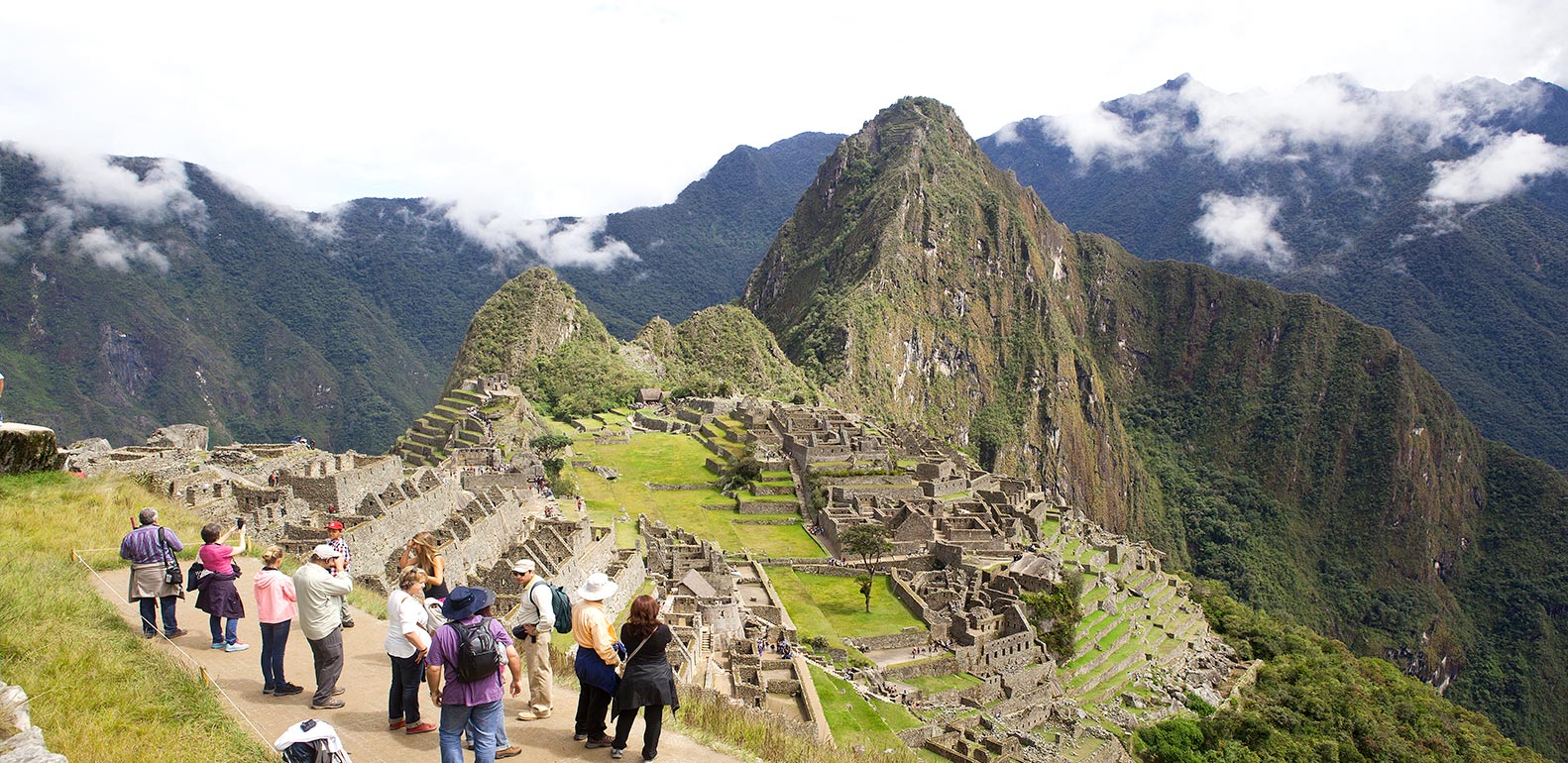
Machu Picchu entrance tickets cost $45-75 per person depending on circuit selection in 2026, with Circuit 1 (classic postcard view route) and Circuit 2 (extended exploration with temple access) priced at $65-75, while Circuit 3 (alternative route) and Circuit 4 (Inca Bridge trek) cost $45-55. Check machupicchu.gob.pe for current official rates as pricing varies by circuit. Student discounts reduce fees by $10-15 with valid ISIC cards, while children under 8 enter free. Time slot selection (6 AM, 7 AM, 8 AM, 9 AM) doesn’t affect pricing but impacts site conditions, with earliest entry delivering cooler temperatures, better lighting, and fewer crowds.
Huayna Picchu mountain climb adds $75 to base admission, limited to 400 daily climbers ascending the iconic peak behind Machu Picchu ruins in 1-1.5 hour steep climb rewarding with spectacular ruins views. Machu Picchu Mountain offers alternative summit at $75 additional cost, accommodating 800 daily climbers with less technical but longer 1.5-2 hour ascent. These specialized tickets sell out 2-4 months ahead during peak season, requiring booking immediately after confirming travel dates.
Shuttle bus service from Aguas Calientes to Machu Picchu costs $24 round-trip with 25-minute journey ascending 2,000 feet on switchback road. Buses depart every 10-15 minutes from 5:30 AM through 3:30 PM, returning 12 PM through 5:30 PM. Walking up takes 60-90 minutes on steep stairs, saving $24 but exhausting many travelers before site exploration. Audio guides rent at site entrance for $10 covering Spanish, English, French, German, Italian, Portuguese, or Japanese languages, though official guides (required in groups of 1-10 visitors) cost $120-150 for private 2-3 hour tours providing superior information and photo assistance.
Sacred Valley Site Entrance Fees
Cusco’s Boleto Turístico (Tourist Ticket) grants access to 16 archaeological sites and museums throughout Cusco and Sacred Valley at $40-70 depending on circuit choice. Full circuit at $70 covers all sites including Sacsayhuaman, Q’enqo, Puka Pukara, Tambomachay, Pisac ruins, Ollantaytambo fortress, Chinchero, Moray agricultural terraces, and multiple Cusco museums. Partial circuit options at $40 cover either Sacred Valley sites or Cusco-area locations, working for travelers with limited time or specific interests. Tickets validate for 10 consecutive days from first use, allowing flexible Sacred Valley exploration.
Maras salt mines charge $3 entrance fee outside the Boleto Turístico system, providing access to dramatic terraced salt evaporation pools operated continuously since Incan times. Pisac Sunday market doesn’t charge entrance fees, offering authentic highland market experience with textiles, pottery, produce, and souvenirs at prices 40-60% below Cusco tourist shops. Ollantaytambo fortress ($10 standalone entrance if not using Boleto Turístico) deserves exploration for massive stone walls, agricultural terraces, and strategic location controlling Sacred Valley access.
Lima’s major attractions price individually with Larco Museum at $10, San Francisco Monastery catacombs at $7, Huaca Pucllana pre-Incan pyramid at $6, and free admission to Plaza de Armas, Government Palace, and Cathedral exterior viewing. Lima’s historic center walks freely, while Barranco neighborhood exploration costs nothing except cafe and restaurant stops. Most week-long Peru itineraries allocate 1 day maximum to Lima touring given limited time and Cusco-area attraction priority.
Tours and Guided Experiences Pricing
Group tours in Cusco and Sacred Valley range $40-120 per person depending on destination and tour quality, with Sacred Valley full-day tours at $40-80, Rainbow Mountain treks at $50-90, and Machu Picchu full-day excursions at $90-150 including transportation, guide, and entrance fees but excluding train tickets. Budget group tours pack 12-16 tourists in large vans with minimal guide interaction, while premium tours limit groups to 6-8 participants with expert bilingual guides, better transportation, and included meals.
Private tours cost $120-300 per day for groups of 2-4 travelers, delivering customized itineraries, flexible scheduling, and dedicated guide attention. Private Machu Picchu tours run $180-280 per group for full-day experience including transport from Ollantaytambo or Cusco hotel but excluding train tickets and entrance fees. Sacred Valley private tours charge $140-220 for full-day circuits with flexible stops, photography time, and authentic restaurant lunch versus group tour cafeteria meals.
Specialized experiences including cooking classes ($60-90 for 3-4 hours), Peruvian Paso horse shows ($50-80 with dinner), whitewater rafting ($80-120 for full day), and mountain biking ($70-110) appeal to active travelers seeking alternatives to archaeological site touring. Multi-day Inca Trail trekking ranges $600-900 per person for classic 4-day route including camping equipment, porters, meals, guide, and entrance fees, while alternative Salkantay trek costs $400-650 and Lares trek runs $500-750. These treks require booking 4-6 months ahead given permit limitations and high demand.
Sample 7-Day Budget Breakdown 2026
Budget Traveler Sample Itinerary Costs
Budget approach to week-long Peru trip minimizes accommodation costs through hostels, maximizes local transportation, prioritizes street food and markets, and selects economical tours while maintaining quality experiences at Machu Picchu and key archaeological sites.
Day 1 – Lima Arrival and City Exploration: Airport to Miraflores taxi $25, hostel dormitory $18, lunch menu del día $4, dinner local restaurant $12, evening walking tour free, coffee and snacks $5. Total day cost: $64 per person (accommodation included).
Day 2 – Lima to Cusco Flight and Acclimatization: Hostel breakfast included, domestic flight Lima-Cusco $90, airport to hostel taxi $3, Cusco hostel dormitory $22, lunch San Pedro market $4, altitude medication $8, dinner local restaurant $14, evening Plaza walk free, snacks $3. Total day cost: $144 per person (accommodation and flight included).
Day 3 – Sacred Valley Day Tour: Hostel breakfast included, group Sacred Valley tour $55, lunch included in tour, Boleto Turístico tourist ticket $40, dinner menu del día $5, market snacks $3. Total day cost: $103 per person (accommodation $22 separate).
Day 4 – Machu Picchu Excursion: Hostel breakfast included, early taxi to Ollantaytambo $15, Peru Rail Expedition train round-trip $175, Machu Picchu entrance Circuit 2 $70, bus up/down $24, packed lunch from market $5, snacks $4, dinner Aguas Calientes budget restaurant $18, evening return to Ollantaytambo colectivo $2, late colectivo to Cusco $3. Total day cost: $316 per person (accommodation $22 separate).
Day 5 – Cusco Free Walking Tour and Markets: Hostel breakfast included, free walking tour tip $12, San Pedro market lunch $4, Qoricancha temple entry $6, San Blas artisan neighborhood walk free, dinner local restaurant $14, coffee and dessert $4, evening Plaza people-watching free. Total day cost: $40 per person (accommodation $22 separate).
Day 6 – Sacsayhuaman Ruins and Local Experience: Hostel breakfast included, taxi to Sacsayhuaman $4, entrance covered by Boleto Turístico, walk back to center 30 minutes free, lunch menu del día $4, afternoon San Blas exploration free, cooking class $70, evening light snacks $3. Total day cost: $81 per person (accommodation $22 separate).
Day 7 – Cusco to Lima Return and Departure: Hostel breakfast included, taxi to Cusco airport $15, domestic flight Cusco-Lima $90, airport waiting area lunch $12, snacks $5, international departure. Total day cost: $122 per person.
Total Budget Traveler Week Cost: $1,292 per person including international flights (estimated $400-600 separate), accommodations, food, transportation, Machu Picchu, tours, and activities. This budget utilizes hostels, street food majority, economical tours, and free cultural experiences while maintaining essential quality at Machu Picchu through proper train and entrance tickets.
Mid-Range Traveler Sample Itinerary Costs
Mid-range Peru experience balances comfort with value through boutique hotels, mix of local and tourist restaurants, private transfers for convenience, and small-group quality tours delivering superior experiences without luxury pricing.
Day 1 – Lima Arrival and Miraflores Experience: Airport to Miraflores private transfer $35, boutique hotel Miraflores $95, lunch restaurant $22, Larco Museum $10, dinner Barranco restaurant $38, evening coastal walk free, coffee and dessert $8. Total day cost: $208 per person (accommodation included).
Day 2 – Lima Cultural Exploration and Flight to Cusco: Hotel breakfast included, morning Lima historic center tour $45, lunch downtown restaurant $20, airport transfer $35, domestic flight Lima-Cusco $135, private Cusco airport transfer $18, Cusco boutique hotel $110, light dinner near hotel $25, altitude tea free at hotel. Total day cost: $388 per person (accommodation and flight included).
Day 3 – Sacred Valley Small Group Premium Tour: Hotel breakfast included, full-day Sacred Valley premium small-group tour $90, Boleto Turístico $70, tour includes gourmet lunch at Urubamba restaurant, Ollantaytambo stop for shopping $15, return to Cusco hotel, dinner Plaza de Armas restaurant $42, evening plaza stroll free. Total day cost: $217 per person (accommodation $110 separate).
Day 4 – Machu Picchu Private Guide Experience: Hotel breakfast included, private transfer to Ollantaytambo $45, Peru Rail Vistadome train round-trip $255, Machu Picchu entrance Circuit 2 $70, bus round-trip $24, private guide at site $150 (split between 2 people = $75 each), lunch Aguas Calientes restaurant $28, snacks $8, return to Cusco, light evening meal $20. Total day cost: $525 per person (accommodation $110 separate).
Day 5 – Cusco Walking Tour and San Blas Exploration: Hotel breakfast included, private Cusco historic center tour $75, Qoricancha temple $6, lunch San Blas restaurant $22, afternoon coffee and pastries $7, San Blas gallery browsing $25 purchases, dinner rated restaurant $48, Pisco sour cocktails $12. Total day cost: $195 per person (accommodation $110 separate).
Day 6 – Sacsayhuaman and Cultural Immersion: Hotel breakfast included, private morning tour to Sacsayhuaman and nearby ruins $85, entrance covered by Boleto Turístico, lunch countryside restaurant $28, afternoon Peruvian cooking class $80, evening tapas and wine $35. Total day cost: $228 per person (accommodation $110 separate).
Day 7 – Return to Lima and Departure: Hotel breakfast included, private transfer to Cusco airport $18, domestic flight Cusco-Lima $135, Lima airport lounge access $30, lunch airport $25, international departure. Total day cost: $208 per person.
Total Mid-Range Traveler Week Cost: $2,679 per person including international flights (estimated $400-800 separate), accommodations, food, transportation, Machu Picchu, tours, and activities. This approach delivers comfort, quality experiences, convenient transfers, and superior dining while avoiding luxury pricing through strategic choices and small-group versus private tours.
Luxury Traveler Sample Itinerary Costs
Luxury Peru travel prioritizes exceptional accommodations, fine dining experiences, private guides, exclusive access, and comprehensive service delivering unforgettable cultural immersion with maximum comfort and minimum logistics stress.
Day 1 – Lima Luxury Arrival: VIP airport meet-and-greet service $85, private luxury transfer to Miraflores $65, Belmond Miraflores Park ocean-view room $380, spa treatment $120, lunch hotel restaurant $55, afternoon private Lima historic center tour $180, sunset cocktails $35, dinner Central (world-class restaurant) $140, sommelier wine pairing $85. Total day cost: $1,145 per person (accommodation included).
Day 2 – Lima Fine Dining and Flight to Cusco: Hotel breakfast included, morning private surfing or paragliding experience $220, lunch Maido (sushi omakase) $125, airport luxury transfer $65, business class domestic flight Lima-Cusco $280, private Cusco airport VIP transfer $45, Belmond Hotel Monasterio $425, oxygen-enriched room and altitude adjustment time, light dinner hotel restaurant $58, evening spa massage $95. Total day cost: $1,313 per person (accommodation and flight included).
Day 3 – Sacred Valley Private Tour with Gourmet Lunch: Hotel breakfast included, private driver and expert guide full day $280, Boleto Turístico $70, exclusive Ollantaytambo ruins private access $150, gourmet lunch Hacienda Urubamba $85, afternoon Pisac market private tour, return to Cusco, dinner MAP Cafe $95, cocktails $25. Total day cost: $705 per person (accommodation $425 separate).
Day 4 – Machu Picchu Luxury Experience: Hotel breakfast included, private luxury transfer to Poroy station $75, Peru Rail Hiram Bingham luxury service $975 (includes meals, bar, lounge access), Machu Picchu entrance Circuit 2 $70, exclusive private guide $200, VIP site access benefits, afternoon tea at Sanctuary Lodge $45, evening return on Hiram Bingham train, late dinner hotel $65. Total day cost: $1,430 per person (accommodation $425 separate).
Day 5 – Cusco Cultural Immersion and Fine Dining: Hotel breakfast included, private Cusco historian guide full morning $150, Qoricancha temple $6, lunch Cicciolina (fine dining) $75, afternoon private visit to restoration workshop $120, textile museum private tour $85, evening cocktail class $95, dinner Limo (contemporary Peruvian) $110, wine pairing $65. Total day cost: $706 per person (accommodation $425 separate).
Day 6 – Andean Lodge Experience: Hotel breakfast included, helicopter flight to Sacred Valley lodge $850, exclusive Andean lodge all-inclusive day (meals, activities, spa) $580, private shaman ceremony $200, sunset horseback riding included, gourmet dinner included, evening stargazing included. Total day cost: $1,630 per person (accommodation included in package).
Day 7 – Return and Departure: Lodge breakfast included, helicopter return to Cusco $850, private airport transfer $45, business class Cusco-Lima $280, Lima VIP airport lounge $55, farewell lunch airport $45, international departure. Total day cost: $1,275 per person.
Total Luxury Traveler Week Cost: $7,204 per person including international flights (estimated $1,200-2,000 business class separate), accommodations, food, transportation, Machu Picchu, tours, and activities. This comprehensive luxury approach delivers Peru’s finest experiences with private guides, exclusive access, luxury rail service, helicopter transfers, and world-class dining throughout the journey.
Money-Saving Strategies for Peru 2026 Travel
Advance Booking Benefits and Discount Opportunities
Early booking 8-12 weeks before travel secures significant savings across flights, trains, and accommodations in Peru’s high-demand tourism infrastructure. Lima-Cusco domestic flights drop $40-80 per person when purchased 60+ days ahead versus last-minute rates, while Peru Rail tickets to Machu Picchu reduce $30-60 through advance purchase avoiding sold-out premium dates. Accommodation advance booking through direct hotel websites rather than OTAs delivers 10-15% savings through promotional rates and loyalty programs, with additional benefits including free breakfast, airport transfers, or room upgrades.
Machu Picchu entrance tickets don’t discount for advance purchase but availability proves essential, with peak season dates selling out 2-3 months ahead forcing expensive alternative plans. Booking the complete Peru package (flights, accommodations, Machu Picchu tickets, train) together through tour operators occasionally delivers 5-10% savings versus individual bookings, though flexibility decreases significantly. Credit card travel portals offer points multipliers on Peru bookings, potentially returning 2-5% value through future travel redemption.
Last-minute deals on accommodations appear through booking apps 24-48 hours before arrival, particularly during low season when occupancy rates drop below 60%. However, this strategy risks limited availability in prime locations and doesn’t work for Cusco during May-September when advance booking proves essential. Group bookings for 4+ travelers unlock discounts on private tours, transportation, and some accommodations willing to negotiate rates for guaranteed occupancy.
Shoulder Season Travel Advantages
April-May and September-October shoulder seasons deliver optimal Peru value with 20-30% accommodation discounts, reduced crowds at major sites, and generally favorable weather conditions. September particularly excels with dry weather continuation from high season, fewer tourists than June-August, and hotel rates dropping immediately after August peak. April presents challenges with lingering rainy season conditions but rewards with lowest crowd levels and deepest accommodation discounts at 30-40% below peak pricing.
Shoulder season flights from North America cost $100-200 less than peak June-August rates, while Peru Rail occasionally offers promotional fares 15-20% below high season pricing. Tour operators reduce group tour prices by $10-25 per person during shoulder periods given reduced demand and eagerness to maintain operation schedules. The weather tradeoff involves increased afternoon rain probability in April and early May, though mornings typically remain clear for touring. September through early November provides near-ideal conditions with dry weather, clear mountain views, and moderate temperatures.
Low season November-March delivers maximum savings with accommodation rates 40-60% below peak season, though rainy conditions significantly impact experience quality in Cusco and Sacred Valley. Machu Picchu remains operational year-round but afternoon downpours, mud, and reduced visibility decrease enjoyment for many visitors. Budget travelers willing to accept weather uncertainty access Peru at its most affordable with hostel dorms at $8-15 per night, mid-range hotels at $40-70, and flight deals occasionally reaching $300-450 from US cities.
Alternative Route and Accommodation Strategies
Sacred Valley accommodation rather than Cusco-based stays reduces costs by 15-25% while providing superior weather, lower elevation for altitude adjustment, and authentic cultural experiences. Ollantaytambo particularly delivers value with guesthouses at $30-55 per night, proximity to train station for Machu Picchu trips, and charming colonial streets with local restaurants. The tradeoff involves reduced nightlife and fewer tourist services compared to Cusco, though many travelers prefer tranquil Sacred Valley atmosphere after busy touring days.
Hydroelectric route to Machu Picchu via van from Cusco ($20-30 each way) plus 2-hour walk along train tracks saves $220-340 per person versus train but consumes 6-7 hours each direction. This appeals exclusively to budget backpackers with strong hiking ability, time flexibility, and tolerance for basic van conditions on rough roads. Most travelers consider train service essential for comfort, scenery, and time savings justifying premium pricing. The middle ground involves Ollantaytambo train departure rather than Poroy/Cusco options, reducing ticket costs by $40-80 while adding Sacred Valley exploration opportunities.
Overnight buses between Lima and other coastal destinations eliminate accommodation costs while covering long distances, with semi-cama seats at $25-45 for 8-12 hour journeys. This works for travelers extending beyond standard week-long Cusco-focused itineraries to include Nazca Lines, Arequipa, or Paracas, though comfort levels prove challenging for those unaccustomed to overnight bus travel. Premium bus companies like Cruz del Sur provide reliable service with security, meals, and entertainment systems justifying costs above cheapest operators.
Food and Dining Cost Optimization
Strategic meal timing captures Peru’s menu del día lunch specials at $3-5 providing complete meals 60-70% below dinner pricing at the same restaurants. Eating main meal at lunch and lighter street food dinner reduces daily food costs from $40-60 to $25-35 for mid-range travelers without sacrificing nutrition or experience quality. Market food courts in San Pedro (Cusco) and Surquillo (Lima) deliver fresh, hygienic meals at $3-6 with juice, providing local atmosphere unavailable in tourist restaurants.
Supermarket purchases for breakfast items, snacks, and beverages save $10-18 daily versus hotel minibar or tourist cafe pricing. Most hostels provide free breakfast (bread, jam, coffee, fruit) while mid-range hotels include buffet breakfast worth $8-15 if purchased separately. Maximizing included breakfasts allows budget allocation toward special dinner experiences rather than routine meals. Avoiding alcohol at restaurants saves 30-50% on meal costs, with beer at $3-6, wine at $5-10 per glass, and cocktails at $8-14 in tourist zones.
Street food safety improves dramatically by observing vendor practices, choosing stalls with active local clientele, and avoiding raw items unless properly cleaned. Empanadas, anticuchos, tamales, and cooked menu items present minimal risk when prepared fresh with high turnover. Bottled water costs $0.50-1 at corner stores versus $1.50-3 at restaurants, with reusable bottles and purification tablets further reducing beverage costs. Coffee from local bakeries runs $1-2 versus $4-6 at tourist cafes, providing identical quality with authentic neighborhood atmosphere.
Hidden Costs and Unexpected Expenses to Consider 2026
Health and Altitude-Related Expenses
Altitude sickness medication (Diamox/acetazolamide) costs $15-25 for a week’s supply from US pharmacies or Cusco farmacias, providing prevention or treatment for symptoms affecting 30-50% of sea-level visitors to 11,150-foot Cusco. Coca tea (free at most hotels) and coca candies ($1-2) offer traditional remedies with mild effectiveness. Emergency oxygen canisters sell at $8-15 in Cusco pharmacies for severe altitude symptoms, though proper acclimatization through gradual ascent and medication proves more effective than emergency treatment.
Travel insurance costs $40-120 per week depending on coverage level, age, and pre-existing conditions, with medical evacuation coverage essential given Peru’s limited healthcare infrastructure outside Lima. Comprehensive policies covering trip cancellation, medical emergencies, lost baggage, and adventure activities (hiking, rafting) range $80-120 for week-long trips. Basic medical coverage alone costs $40-60 but excludes valuable cancellation protection for expensive non-refundable Machu Picchu tickets and flights.
Stomach issues from food or water changes affect 20-40% of Peru visitors, with over-the-counter medications (Imodium, Pepto-Bismol) costing $5-12 at pharmacies. Avoiding tap water, ice from unknown sources, and raw vegetables at budget restaurants prevents most digestive problems. Sunburn prevention in high-altitude Cusco requires SPF 50+ sunscreen at $12-20 per bottle given increased UV exposure, while moisturizers combat dry conditions at $8-15. Motion sickness medication helps on winding mountain roads and train journeys for susceptible travelers at $6-10 for week’s supply.
Transaction Fees and Currency Exchange Costs
ATM withdrawal fees in Peru include both local bank charges ($3-6 per transaction) and home bank foreign transaction fees (1-3% of withdrawal amount), making large withdrawals more economical than multiple small ones. Credit cards assess foreign transaction fees of 1-3% on purchases unless using no-foreign-fee cards from select issuers. The combination of ATM fees, foreign transaction fees, and unfavorable exchange rates at hotels and exchanges can add 5-8% to actual costs versus stated prices.
Currency exchange at casa de cambio (exchange houses) in Lima and Cusco typically offers 1-3% better rates than hotels or airports, with larger amounts negotiating superior rates. US dollars remain widely accepted in tourist areas but often at 5-10% below fair exchange rates given merchants’ preference for local currency. Bringing clean, new US bills (pre-2013 bills often refused) in various denominations provides backup payment option, though modern ATMs offering both Soles and dollars provide most convenient access.
Some merchants add 3-5% surcharges for credit card payments, particularly budget accommodations and small restaurants where cash strongly preferred. Communicating cash versus card pricing before ordering prevents surprise charges and allows strategic payment method selection. Tipping in US dollars proves acceptable but provides worse value than tipping in Soles at current exchange rates, making Sol tips more generous for equivalent dollar amounts.
Additional Tourist Fees and Unexpected Charges
Peru’s $31 international departure tax (TUUA) appears in most airline ticket prices but occasionally bills separately at check-in for some carriers, requiring cash or card payment at airport. Checking ticket confirmation for tax inclusion prevents arrival surprise charges. Domestic flights occasionally charge airport taxes separately from ticket price, adding $5-12 per departure depending on airport and airline.
Aguas Calientes charges $3 entrance fee for non-Peruvian visitors entering the town, collected at checkpoint when arriving by train or foot. Machu Picchu’s strict no-backpack policy forces use of lockers at $3-5 for items exceeding small daypacks, though hotels in Aguas Calientes store luggage free for guests. Professional camera equipment sometimes incurs additional entrance fees at archaeological sites, though enforcement proves inconsistent.
Tipping expectations extend beyond restaurants to hotel porters ($1-2 per bag), tour guides ($5-10 per day), drivers ($3-5 per day), and hotel housekeeping ($2-3 per night), accumulating to $40-80 over week-long trips. Tour companies sometimes present group tipping envelopes suggesting generous amounts that exceed typical tipping standards. Some restaurants add automatic 10% service charges to bills, requiring careful review to avoid double-tipping when leaving cash on table.
Souvenirs, textiles, and handicrafts in tourist areas price 2-3 times above wholesale or market rates, with aggressive bargaining expected and necessary to reach fair value. Budget $30-80 for quality alpaca sweaters, $15-35 for scarves, $20-50 for wall hangings, and $40-120 for larger textile pieces or ceramics. Artisan markets in Pisac and Cusco’s San Blas offer better value than shops near Plaza de Armas, while small town producers provide wholesale pricing unavailable in tourist zones.
Essential Planning Information for 2026 Peru Travel
Booking Timeline and Reservation Strategy
International flights merit booking 60-90 days before departure for optimal pricing, with Tuesday-Thursday departures typically costing $50-100 less than Friday-Sunday travel. Monitoring fare alerts through Google Flights, Skyscanner, or airline websites captures flash sales and error fares occasionally dropping Lima flights to $300-450 from major US hubs. Peak season travel in June-August requires earlier booking at 90-120 days to secure reasonable pricing before premium inventory sells out.
Machu Picchu entrance tickets require booking immediately after confirming travel dates, particularly for peak season visits when Circuit 1 and Circuit 2 with mountain access sell out 2-4 months ahead. Peru Rail tickets merit purchase within 1-2 weeks after securing Machu Picchu tickets, as economical Expedition/Voyager classes sell out 4-8 weeks before departure during high season. Accommodations in Cusco warrant booking 4-8 weeks ahead for mid-range and luxury properties, though budget hostels typically maintain availability closer to arrival.
Group tours and specialized experiences like Inca Trail trekking demand earliest booking given permit limitations and high demand. Classic 4-day Inca Trail permits sell out 4-6 months ahead for peak season, while alternative treks (Salkantay, Lares) book 6-12 weeks before departure. Cooking classes, horseback riding, and cultural experiences accept reservations 1-4 weeks ahead, providing flexibility in detailed itinerary planning after securing fundamental transportation and accommodations.
Packing Essentials and Preparation Recommendations
Layered clothing proves essential for Peru’s dramatic temperature variations between coastal Lima (mild), highland Cusco (cold nights, warm days), and humid Machu Picchu. Bring lightweight hiking pants, moisture-wicking shirts, fleece or light jacket, rain jacket, sun hat, warm beanie for cold mornings, and comfortable broken-in hiking shoes with good traction for cobblestones and ruins. Cusco’s high altitude and strong sun demands SPF 50+ sunscreen, lip balm with SPF, sunglasses, and wide-brimmed hat for UV protection.
Medical kit should include altitude sickness medication (prescription Diamox), ibuprofen for headaches, anti-diarrheal medication, hand sanitizer, insect repellent for Machu Picchu and Sacred Valley, basic first aid supplies, and any prescription medications with copies of prescriptions. Water purification tablets or portable filter provides backup for areas with questionable tap water quality, though bottled water widely available throughout tourist regions.
Electronics accessories include universal power adapter (Peru uses Type A and C outlets, 220V, same as US but verify voltage compatibility), portable charger for all-day touring, headlamp or flashlight for early morning Machu Picchu visits, and waterproof phone case or dry bag for rain protection. Bring photocopies of passport, travel insurance documents, and credit cards stored separately from originals. Small bills in US dollars ($1, $5, $10) provide tipping and small purchases, though Sol notes more useful for most transactions.
Optional but valuable items include trekking poles for Machu Picchu mountain hikes (rentable but better to bring quality poles), binoculars for wildlife and distant architectural details, Spanish phrasebook or translation app for markets and local restaurants, and reusable water bottle with filter for environmental and cost savings. Travel locks secure hostel lockers and backpacks on buses, while packing cubes organize clothing efficiently in frequently moved luggage during multi-destination Peru itineraries.
Current Safety and Security Considerations
Peru maintains generally safe conditions for tourists in popular destinations including Lima’s Miraflores and Barranco, Cusco historic center, Sacred Valley towns, and Machu Picchu, though standard precautions against pickpocketing and bag snatching remain essential. Avoid displaying expensive jewelry, cameras, or phones unnecessarily, particularly in crowded markets, buses, and tourist gathering points. Use hotel safes for passports, extra cash, and valuables during touring, keeping only daily necessities in day bags.
Night transportation in Cusco and Lima requires using official registered taxis arranged through hotels or rideshare apps rather than hailing street taxis, reducing robbery risk particularly late evening. Walking after dark merits caution in all cities, with well-lit main streets safer than quiet residential areas. Miraflores and Cusco historic center generally walk safely until 10-11 PM, though traveling in pairs or groups increases security. Avoid Lima’s downtown area after dark except for organized tours, as this region sees higher crime rates than Miraflores tourist zone.
Altitude sickness poses the most common health risk for Peru visitors, with symptoms including headache, nausea, fatigue, and sleep disruption affecting 30-50% of arrivals in Cusco. Prevent or minimize symptoms through gradual ascent (spending first night in Sacred Valley at lower elevation), medication (Diamox started 1-2 days before ascent), avoiding alcohol and heavy meals during initial 48 hours, and maintaining hydration. Coca tea consumption assists with mild symptoms, while severe cases require oxygen treatment or descent to lower elevations.
Food safety follows standard developing country precautions with bottled water mandatory, ice avoided unless from known purified sources, raw vegetables and street salads skipped at budget establishments, and hand sanitizer used before meals. Reputable restaurants and hotels maintain high standards, while street food from busy vendors with visible cooking proves generally safe. Travel insurance with emergency medical evacuation coverage remains essential given limited medical facilities in Cusco and Sacred Valley, with serious conditions requiring Lima evacuation or repatriation.
Planning Your 2026 Peru Visit: Final Recommendations
Optimal Itinerary Balance for Week-Long Trips
Seven days provides sufficient time for Peru’s essential highlights including Lima cultural introduction, Cusco colonial charm, Sacred Valley archaeological wonders, and Machu Picchu climax, though extending to 10-14 days allows deeper exploration and reduces rushed touring. The standard one-week circuit allocates 1 day Lima, 2 days Cusco with surrounding ruins, 2 days Sacred Valley including Ollantaytambo and Pisac, 1 day Machu Picchu, and 1 day buffer for delays or spontaneous experiences.
Alternative approaches position Sacred Valley as base rather than Cusco, reducing accommodation costs while providing superior weather and authentic cultural immersion. This strategy utilizes Ollantaytambo hotels for 3-4 nights with day trips to Cusco, nearby ruins, and direct Machu Picchu access from town train station. The tradeoff involves reduced restaurant variety and nightlife compared to Cusco’s tourist infrastructure, though many travelers prefer tranquil valley atmosphere after intensive touring days.
Budget optimization involves afternoon Lima arrival with evening coastal neighborhood exploration, early morning next-day flight to Cusco, Sacred Valley touring from Cusco base, pre-dawn Machu Picchu excursion, Cusco free day for markets and ruins, final departure day with morning Cusco activities before afternoon Lima flight connecting to evening international departure. This aggressive schedule maximizes site visits while minimizing accommodation nights, though comfort and altitude adjustment suffer compared to more relaxed pacing.
Seasonal Timing and Weather Considerations
May through September dry season delivers optimal conditions for Peru travel with clear skies, minimal rainfall, warm days, and cold nights in highlands, justifying 30-50% premium pricing across accommodations and tours. June through August peak season sees maximum tourist volume creating crowds at Machu Picchu, limited last-minute accommodation availability, and highest rates, though social atmosphere and guaranteed weather appeal to many visitors. September represents sweet spot with continued dry weather, reduced crowds versus summer peak, and accommodation rates beginning decline toward shoulder season levels.
April and October shoulder seasons balance favorable weather (mostly dry with occasional afternoon showers) against 20-30% accommodation discounts and moderate tourist volume. October particularly excels with post-rainy season landscape green and vibrant, Peru’s spring flowers blooming, and reliable morning weather for touring. April brings tail-end rainy season concerns but rewards with lowest crowd levels and deepest accommodation discounts at high-quality properties willing to reduce rates for guaranteed occupancy.
November through March rainy season delivers maximum budget savings with accommodation rates 40-60% below peak season and flight deals frequently dropping $150-300 versus high season. The weather tradeoff proves significant with afternoon downpours common in Cusco and Sacred Valley, muddy trails at archaeological sites, and reduced mountain visibility from cloud cover. Machu Picchu operates year-round but morning fog and afternoon rain decrease photography opportunities and overall experience quality, making rainy season suitable only for budget-focused travelers accepting weather uncertainty.
Value Propositions Across Budget Categories
Budget travelers spending $1,200-1,800 total access Peru’s essential highlights through strategic compromises including hostel dormitories, street food majority, economical Expedition train class, group tours, and free cultural experiences. This approach delivers authentic cultural immersion, social hostel atmosphere meeting fellow travelers, and comprehensive site coverage while maintaining comfortable Machu Picchu experience through proper train and entrance tickets. The primary sacrifices involve shared accommodations, basic dining, larger tour groups, and reduced transportation comfort.
Mid-range visitors at $2,200-3,200 optimize value-to-quality ratio through boutique hotels, balanced local and tourist restaurant dining, Vistadome train class with panoramic windows, small-group premium tours, and selective private experiences for key highlights. This category delivers comfortable accommodations with character, authentic dining with occasional splurges, manageable tour group sizes, and strategic private guides at Machu Picchu and key sites. The sweet spot approach provides genuine comfort without luxury pricing through informed choices and strategic booking.
Luxury travelers investing $4,500-7,000+ access Peru’s finest experiences through five-star hotels like Belmond properties, fine dining at celebrated restaurants, Hiram Bingham luxury train service, private guides throughout, exclusive site access, and comprehensive concierge services eliminating logistics stress. This category justifies premium pricing through exceptional accommodations showcasing Peru’s architectural heritage, world-class dining positioning Peru as culinary destination, personalized guide attention revealing sites’ deeper significance, and seamless experiences maximizing limited vacation time through expert coordination.

Frequently Asked Questions About Peru Week-Long Trip Costs 2026
Is $2,000 enough for a week in Peru including flights?
$2,000 total covers a budget week in Peru when international flights stay below $500-600, leaving $1,400-1,500 for in-country expenses. This budget requires hostel dormitories ($15-25 per night), street food and market meals majority ($15-25 daily), economical transportation including Lima-Cusco domestic flights ($160-180 round-trip) and Peru Rail Expedition class ($140-175), group tours ($40-80 per day), and strategic free activities. The tight budget eliminates mid-range restaurant dining, private tours, luxury experiences, and spontaneous splurges. International flights from East Coast US cities occasionally drop to $400-500 during shoulder season, making $2,000 feasible for extremely budget-conscious travelers comfortable with hostel lifestyle and street food focus. West Coast flights typically running $500-850 push $2,000 budget into deficit unless finding exceptional flight deals.
What is the average cost of food per day in Peru?
Food costs in Peru range dramatically by dining style from $15-25 daily for budget travelers eating street food and menu del día specials, $30-50 daily for mid-range visitors mixing local restaurants with occasional tourist dining, and $60-120+ daily for luxury travelers dining primarily at rated restaurants and fine dining establishments. Street food meals including empanadas ($0.80-1.50), menu del día lunch plates ($3-5), and anticuchos dinner ($3-5) keep costs minimal while delivering authentic cuisine. Mid-range dining allocates lunch to economical options ($8-15 including beverage) and dinner to better restaurants ($20-35 per person), allowing quality dining experiences without luxury pricing. Fine dining at celebrated Lima restaurants reaches $60-140 per person before wine, while Cusco’s top restaurants charge $30-60 for three courses representing significant value for quality delivered.
How much does Machu Picchu cost to visit including train?
Complete Machu Picchu visit costs $165-265 per person minimum, including entrance ticket ($45-75 depending on circuit), round-trip train from Ollantaytambo ($140-190 for economical Expedition/Voyager class), and shuttle bus from Aguas Calientes to site entrance ($24 round-trip). Adding Huayna Picchu or Machu Picchu Mountain climb increases costs by $75 for specialized tickets limited to 400-800 daily climbers. Private guide services add $60-75 per person for 2-3 hour tour split between 2-3 travelers, delivering superior information versus $10 audio guide rental. The panoramic Vistadome train class adds $60-80 per person versus Expedition, while luxury Hiram Bingham service reaches $975+ per person including gourmet meals and bar service. Budget option via Hidroelectrica van and 2-hour walk saves train costs but requires $20-30 van fare each way plus 6-7 hour journey time each direction.
Do I need a guide for Machu Picchu or can I explore independently?
Independent Machu Picchu exploration remains permitted in 2026, with no mandatory guide requirement for individual visitors or small groups entering the site. However, official guides provide substantial value through historical context, architectural significance explanation, photo assistance at optimal angles, and directing attention to easily-missed details throughout 2-3 hour tours. Private guides cost $120-150 for groups of 1-10 visitors, dividing to $60-75 per couple or $30-40 per person for groups of 4-5 travelers. Audio guides rent at site entrance for $10 in multiple languages, offering budget alternative though lacking personalization and question answering of live guides. Many visitors combine approaches by hiring guides for Machu Picchu’s lower section and main plaza, then exploring upper agricultural terraces and viewpoints independently after learning foundational information.
What budget should I plan for souvenirs and shopping in Peru?
Souvenir budgets range widely based on quality desired and bargaining skill from $50-150 for basic items to $200-500+ for quality alpaca textiles, ceramics, and handicrafts. Budget travelers spending $50-100 access mass-produced alpaca blend items, simple jewelry, small ceramics, and refrigerator magnets at tourist shops and markets. Mid-range shoppers at $150-300 purchase quality alpaca sweaters ($50-100), wall hangings ($40-80), scarves ($20-40), and better ceramics ($30-80) through market shopping and artisan workshop visits. Serious collectors and those seeking museum-quality pieces budget $400-800+ for fine alpaca textiles, elaborate ceramics, antique-style textiles, and specialized handicrafts from renowned artisans. Pisac market on Sundays and Cusco’s San Blas artisan neighborhood provide best value and quality, while tourist shops near Plaza de Armas charge 40-80% premiums for convenience.
Are credit cards widely accepted in Peru or should I carry cash?
Credit cards function reliably at mid-range and upscale hotels, tourist restaurants, tour agencies, and larger shops throughout Lima, Cusco, and tourist areas, though 3-5% processing fees appear commonly. Budget accommodations, street vendors, local markets, neighborhood restaurants, and transportation services operate cash-only, making Sol notes essential for daily transactions. Optimal strategy combines credit cards for large purchases (hotels, tours, train tickets) where processing fees outweigh ATM withdrawal fees, with cash for meals, markets, tips, and small purchases. ATMs widely available in cities dispense both Soles and US dollars at competitive exchange rates with $3-6 withdrawal fees, making large withdrawals more economical than frequent small ones. Bring US dollars in clean, new bills (post-2013 series) as backup and for tips, though Sols provide better value for most purposes. No-foreign-fee credit cards eliminate 1-3% transaction fees that standard cards assess on Peru purchases, saving $30-90 on $3,000 trip spending.
How much should I tip guides, drivers, and hotel staff in Peru?
Tipping standards in Peru call for 10% at sit-down restaurants (check for automatic service charges first), $5-10 per person per day for tour guides, $3-5 per day for drivers, $2-3 per night for hotel housekeeping, and $1-2 per bag for porters. Private guides merit $10-15 per day per couple for exceptional service, while group tour guides receive $5-8 per person depending on tour length and guide quality. Restaurant tips appear optional when 10% service charges include on bills, though rounding up or adding 5% for excellent service remains appreciated. Cusco and Machu Picchu area guides sometimes receive higher tips of $15-20 from satisfied visitors given extensive knowledge and challenging work conditions. Total tipping for week-long Peru trip typically reaches $60-120 depending on service frequency and dining choices, with private tour emphasis increasing totals versus primarily independent exploration.
What travel insurance should I get for Peru and how much does it cost?
Comprehensive travel insurance covering medical emergencies, emergency evacuation, trip cancellation, lost baggage, and adventure activities costs $60-120 for week-long Peru trips depending on age, coverage limits, and pre-existing conditions. Essential coverage includes emergency medical treatment ($50,000-100,000 minimum), emergency evacuation to Lima or repatriation home ($250,000-500,000 minimum for remote area coverage), trip cancellation protecting non-refundable Machu Picchu tickets and flights ($2,000-5,000 coverage), and baggage loss/delay ($1,000-2,000). Adventure sports coverage proves essential for travelers planning Inca Trail trekking, whitewater rafting, mountain biking, or mountain climbing, as basic policies exclude these activities. Altitude-related medical coverage deserves verification, as some budget policies limit high-altitude coverage affecting Cusco at 11,150 feet. Purchase insurance immediately after booking trip to capture cancellation protection, and verify coverage for anticipated activities and altitude levels in policy details. World Nomads, Allianz, and InsureMyTrip provide popular Peru-appropriate policies with 24/7 emergency assistance and comprehensive medical coverage.
Additional Frequently Asked Questions
Can I use US dollars in Peru or do I need Peruvian Soles?
US dollars function in tourist areas throughout Lima, Cusco, and major attractions, though exchange rates at shops and restaurants run 5-8% below official rates favoring Sol payments. ATMs provide Soles at competitive exchange rates with $3-6 withdrawal fees, making Sols more economical for most transactions. Use dollars for large hotel or tour payments where exchange rate differences prove minimal, and Sols for meals, markets, transportation, and small purchases. Bring clean, new US bills (post-2013) as older or damaged bills face frequent rejection. Most tourists withdraw Sols at arrival airport or first hotel area for immediate needs, using credit cards (without foreign transaction fees if possible) for major purchases and ATM Sols for daily expenses. Markets, street vendors, and local restaurants operate cash-only in Sols, making currency availability essential for authentic experiences.
Is altitude sickness a serious concern in Cusco and how can I prevent it?
Altitude sickness affects 30-50% of visitors to Cusco at 11,150 feet elevation, with symptoms including headache, nausea, fatigue, dizziness, and sleep disruption appearing within first 6-24 hours after arrival. Prevention strategies include prescription Diamox (acetazolamide) started 1-2 days before ascent and continued 2-3 days in Cusco at $15-25 for week’s supply, gradual ascent spending first night in Sacred Valley at lower elevation before climbing to Cusco, avoiding alcohol and heavy meals during initial 48 hours, maintaining hydration with 3-4 liters daily water intake, and minimizing physical exertion until acclimatized. Coca tea provided free at Cusco hotels offers traditional remedy with mild effectiveness, while coca candies supplement. Most visitors adjust within 24-48 hours, though 5-10% experience severe symptoms requiring oxygen treatment or descent to lower elevations. Lima sits at sea level eliminating concerns, while Sacred Valley towns at 9,000-9,500 feet provide intermediate altitude assisting Cusco adjustment. Machu Picchu at 7,970 feet causes fewer problems than Cusco despite requiring acclimatization.
How far in advance should I book hotels in Cusco and Sacred Valley?
Cusco and Sacred Valley accommodation warrants booking 4-8 weeks before arrival during May-September high season, particularly for quality mid-range and luxury properties that sell out in prime central locations. Budget hostels maintain greater availability though popular properties like Wild Rover or Pariwana fill 2-4 weeks ahead during peak months. Shoulder season April-May and September-October allows booking 2-4 weeks before arrival with good selection, while low season November-March permits last-minute bookings 3-7 days ahead often securing superior negotiated rates. Direct hotel website booking frequently delivers 10-15% savings versus OTAs through promotional rates and loyalty programs, with additional perks including breakfast upgrades or airport transfers. Flexible travelers considering multiple accommodation options rather than single property fixation access better availability and pricing. Sacred Valley properties in Ollantaytambo and Urubamba offer easier last-minute booking than Cusco given lower overall demand, making them strategic choices for spontaneous travelers or those unable to book far ahead.


