Cusco Solo Travel 2026: Safety Tips & Best Experiences
Cusco is one of South America’s most rewarding destinations for solo travelers — a city where Inca stonework rises beneath Spanish colonial arches, ancient trails lead to cloud-draped citadels, and hostel common rooms fill nightly with adventurers from around the world. This guide covers everything you need to plan your 2026 solo trip confidently: real safety assessments, verified costs, the best experiences to seek out, and practical strategies that make traveling alone here as smooth as it is unforgettable.
Key Takeaways for Cusco Solo Travel 2026
- Safety in 2026: Cusco’s historic center and main tourist zones are safe for solo travelers. Petty crime — pickpocketing and scam taxi drivers — is the realistic risk, not violent crime. Staying central, using app-based or hotel-arranged taxis, and keeping your phone out of sight significantly reduces exposure.
- Altitude is the biggest health challenge: Cusco sits at 3,399 meters (11,152 ft). Plan for 1–2 acclimatization days immediately on arrival. Altitude sickness affects most visitors in the first 24–48 hours regardless of fitness level.
- Solo traveler daily costs 2026: Budget travelers need $40–60 per day (dorm or basic private room, market meals, local transport). Mid-range solo travelers spend $115–160 per day. Comfort-level solo travel runs $195–275 per day. All figures include full accommodation costs — solo travelers pay the complete room rate without a sharing partner.
- Book Machu Picchu tickets months in advance: Circuit 2 (the classic route) sells out months ahead — as of March 2026, it is sold out through May. Book via tuboleto.cultura.pe the moment dates are confirmed.
- Solo scene is vibrant: Cusco’s large backpacker infrastructure, free walking tours, and hostel social events make meeting other travelers easy. This is one of South America’s best cities for solo travelers who want company when they want it.
- US State Department advisory: Peru carries a Level 2 (Exercise Increased Caution) advisory. The city of Cusco and popular tourist sites including the Sacred Valley and Machu Picchu are not in the high-risk VRAEM region flagged at Level 4.
- Contact us by filling out the trip planner form, our expert travel advisors will work closely with you to create your tailor-made itinerary (Free Service)
People Also Ask About Cusco Solo Travel 2026
Is Cusco safe for solo travelers in 2026?
Yes — Cusco is safe for solo travelers in 2026, particularly in the historic center around Plaza de Armas, San Blas, and the main tourist corridors. Violent crime against tourists is rare. The realistic risks are opportunistic: pickpocketing in crowded markets, overcharging by unlicensed taxi drivers, and fake tour operators selling substandard experiences at street level. The city sees over 1.5 million tourists annually, which means a strong tourist police presence in the center, security cameras throughout the historic district, and a local economy highly motivated to protect visitors. Apply standard city travel sense — keep your phone in a pocket rather than your hand in public, use hotel-arranged or app-booked taxis at night, withdraw cash from ATMs inside banks during daylight hours — and the overwhelming majority of solo travelers complete their trips without incident.
How much does solo travel in Cusco cost per day in 2026?
Solo travelers in Cusco in 2026 spend $40–60 per day on a budget (hostel dorm or basic private room, market meals, public transport), $115–160 per day mid-range (private hotel room, restaurant dining, guided tours), and $195–275 per day for comfort-level travel (boutique hotel, good restaurants, private experiences). Note that solo travelers pay the full room rate without the sharing benefit couples enjoy, which makes mid-range and above notably pricier per head than group travel. Machu Picchu day trips add $215–305 on top of your regular daily spend and should be budgeted as a separate line item.
What are the best experiences for solo travelers in Cusco in 2026?
The best solo experiences in Cusco in 2026 combine naturally social activities with the deep Inca heritage that defines the city. Free walking tours of the historic center run daily, attract mixed international groups, and are one of the best ways to meet fellow travelers on your first day. Sacsayhuamán fortress, a 20-minute walk uphill from Plaza de Armas, offers jaw-dropping views and is easily done solo. The Sacred Valley day trip — covering Pisac market, Moray, Maras salt pans, and Ollantaytambo — works perfectly alone through group tours priced at $30–50. And of course Machu Picchu, which despite requiring advance booking is entirely accessible solo and deeply moving as a personal experience.
When is the best time for solo travel in Cusco in 2026?
The best time for solo travel in Cusco in 2026 is May or September–October. May marks the end of the wet season — trails are lush and green, crowds are lower than the June–August peak, and accommodation prices are 20–30% below their summer highs while weather is already good. September and October offer similar advantages: stable dry-season weather, fewer tourists than July–August, and better Machu Picchu ticket availability. June–August brings Cusco’s biggest festival (Inti Raymi, June 24), reliably clear skies, and the busiest hostel social scene — ideal if solo community is your priority, though prices and advance booking pressure peak accordingly. Avoid December–March if hiking is central to your plans, as the Inca Trail closes in February and rain can affect trail conditions throughout the wet season.
Multi-Day Tour Packages
Featured Cusco Multi-Day Tour Packages
3 days
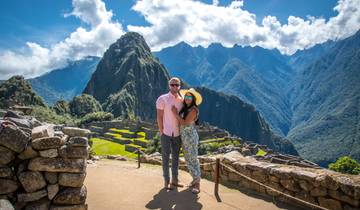
Cusco and Machu Picchu 3-Day Tour
- ✓ Comprehensive Cusco tour
- ✓ Expert local guides included
- ✓ All accommodation arranged
- ✓ Transportation provided

6 days
6 Days Of Adventure: Cusco, Machu Picchu, Humantay Lake, And Rainbow Mountain
- ✓ Comprehensive Cusco tour
- ✓ Expert local guides included
- ✓ All accommodation arranged
- ✓ Transportation provided
2 days
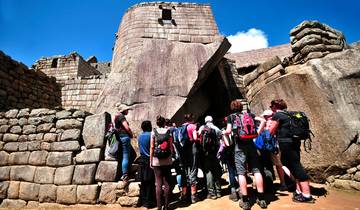
2 Day – "Exploring" the Sacred Valley & Machu Picchu
- ✓ Comprehensive Cusco tour
- ✓ Expert local guides included
- ✓ All accommodation arranged
- ✓ Transportation provided
3 days
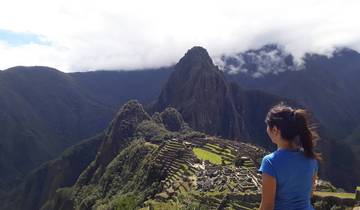
Cusco Express (3D/2N)
- ✓ Comprehensive Cusco tour
- ✓ Expert local guides included
- ✓ All accommodation arranged
- ✓ Transportation provided
Multi-day tour packages powered by TourRadar. Prices and availability subject to change.
Introduction: Why Cusco Rewards Solo Travelers in 2026
Few cities on earth pack as much meaning into a single walk. In Cusco, you can step from a café serving single-origin Andean coffee directly onto a 15th-century Inca street, navigate a market trading traditional weavings and guinea pig, then watch the sunset turn the mountains above the ruins gold. This is the former capital of the largest empire in pre-Columbian America — a city that has been continuously inhabited for over three millennia and that still pulses with living Quechua culture alongside its extraordinary archaeology.
For solo travelers, Cusco in 2026 offers a rare combination: genuine adventure and archaeological depth wrapped in an exceptionally well-developed traveler infrastructure. Hostels here are among South America’s best — social, well-located, and experienced at connecting solo travelers to one another and to the city’s offerings. The free walking tour scene is active, group treks to the Sacred Valley and Machu Picchu run daily, and Cusco’s compact historic center means you can navigate most key sights on foot.
The city sits at 3,399 meters (11,152 feet) above sea level in the Andes of southeastern Peru. That altitude is the defining variable of any Cusco trip — it shapes your arrival, dictates your first few days, determines which treks you can realistically attempt, and informs every decision from how much to drink to how fast to walk. Understanding altitude before you arrive is the single most important preparation a solo traveler can make.
This guide provides what you actually need: an honest safety picture, verified 2026 costs, the experiences most worth your time alone, and the practical tools to make the trip run smoothly from first night to farewell pisco sour.
Is Cusco Safe for Solo Travelers in 2026?
Cusco is safe for solo travel in 2026 — with clear-eyed awareness of what the actual risks are. The city is not a danger zone; it is a high-traffic tourist destination where opportunistic petty crime exists and a small number of predictable traps catch unprepared visitors. Understanding both the reassuring reality and the genuine risks gives you an accurate picture.
Safety in the Historic Center 2026
The area around Plaza de Armas, San Blas neighborhood, Avenida El Sol, and the main tourist corridors is actively patrolled by tourist police and covered by security cameras. These zones are busy day and night, well-lit along main streets, and populated by travelers, local businesses, and police presence. Walking these areas during the day is straightforwardly safe. At night, the main plaza and surrounding streets remain active and generally fine — Cusco has a real nightlife culture and restaurants stay open late. The risk increases on poorly lit back streets and in areas away from the tourist core, particularly after midnight.
San Pedro Market, while authentic and worth visiting, is one of the higher-pickpocket-risk areas in Cusco. Keep bags zipped and in front of your body, avoid having your phone visible, and be alert to distraction tactics — someone bumping into you or pointing at something on your clothes while an accomplice works your pockets.
Common Risks and How to Avoid Them in 2026
The most common issues solo travelers encounter in Cusco in 2026 are:
- Unlicensed taxis: Hailing taxis from the street, especially at night, exposes you to overcharging and, occasionally, express robbery. Use the InDriver app, arrange taxis through your accommodation, or use established radio taxi companies. The incremental cost is small; the safety improvement is significant.
- Street-sold tours: Bargain tours sold by agents approaching you on the street near major sights frequently deliver poor experiences — inadequate transport, unlicensed guides, unclear inclusions. Book through your hostel or a reputable agency for Sacred Valley, Rainbow Mountain, Machu Picchu, and Amazon day trips.
- ATM safety: Use ATMs inside bank branches or shopping malls during daylight hours. BCP, Scotiabank, and Interbank are the most reliable. Avoid street-facing ATMs at night. Withdraw what you need for several days rather than making frequent small withdrawals.
- Phone theft: Street theft of mobile phones from hands or back pockets is common throughout Peru. Keep your phone inside a pocket rather than holding it visibly on the street. Be particularly careful in crowded market areas and near any street performer drawing a crowd.
- Drink spiking: While uncommon, drink spiking has been reported in Cusco bars and clubs. Don’t accept drinks from strangers and don’t leave your drink unattended. Travel with hostel-met company when exploring nightlife.
- Currency exchange: Use bank ATMs for the best exchange rates. Avoid street money changers. If exchanging cash, use established exchange offices (casas de cambio) on Avenida El Sol — not people who approach you on the street.
Altitude Sickness — The Safety Risk Most Solo Travelers Underestimate
Altitude sickness is Cusco’s most guaranteed safety challenge. The city sits at 3,399 meters and most visitors — regardless of age, fitness, or prior travel experience — experience some symptoms in the first 24–48 hours. These typically include headache, fatigue, shortness of breath, and difficulty sleeping. For most people, symptoms are manageable and improve significantly after one to two days of rest and acclimatization.
Arrive in Cusco with a plan: book accommodation for at least two nights, take it easy on day one, drink 2–3 liters of water daily, eat light meals, avoid alcohol for the first 24 hours, and sleep at city altitude rather than immediately hiking to higher elevations. Coca tea, widely available in every hotel and café in Cusco, helps many travelers. Altitude medication (acetazolamide, sold as Diamox) is available at Cusco pharmacies with a prescription from a local clinic — or obtain it from your doctor before departure.
If symptoms are severe — persistent vomiting, inability to walk straight, or extreme confusion — descend to a lower altitude immediately and seek medical attention. Cusco has several medical clinics and a 24-hour pharmacy network. The altitude is genuinely serious, but with appropriate acclimatization it becomes manageable rather than dangerous for the vast majority of visitors.
One important note for solo travelers: because altitude impairs judgment, coordination, and energy far more than most people expect, avoid booking demanding hikes or the Inca Trail for your first two days in Cusco no matter how well you feel on arrival.
Best Neighborhoods for Solo Travelers in Cusco 2026
Cusco’s historic center is compact and walkable. The three areas below are where solo travelers are best positioned — both for safety and for access to the city’s best experiences.
Centro Histórico and Plaza de Armas Area
The area surrounding Plaza de Armas is the heart of solo travel in Cusco. It offers maximum density of hostels, restaurants, tour agencies, cultural sites, and nightlife within a 10–15 minute walk of almost everything. The Cusco Cathedral, Qorikancha (Temple of the Sun), and dozens of colonial churches and museums are within easy reach. Streets are well-lit, tourist police are visible, and the area stays active until late evening. This is the right base for your first few nights as you acclimatize.
San Blas
San Blas, a hilly artisan neighborhood a 10-minute walk uphill from Plaza de Armas, is quieter and more atmospheric. Narrow cobblestone lanes, whitewashed walls, small plazas, and an excellent local craft market define the character here. Many solo travelers prefer San Blas for slightly cheaper accommodation and a more local feel while remaining very close to the tourist core. The uphill walk is noticeable at altitude — factor that into your first acclimatization days.
Avenida El Sol Corridor
Avenida El Sol, Cusco’s main commercial artery running south from the historic center, hosts the city’s bank branches (essential for safe ATM use), the main bus terminal access, and a number of mid-range hotels offering good value. It is less characterful than San Blas or the Plaza area but practical and safe. Solo travelers who want convenience over atmosphere often find excellent value here.
Solo Travel Daily Budget in Cusco 2026
Cusco is affordable by Western standards but noticeably pricier than other Peruvian cities. As a UNESCO-designated heritage destination with strong tourist demand, accommodation near the historic center commands a premium. All figures below are per person, per day, as a solo traveler paying the full room rate. Machu Picchu day trips are excluded and covered separately in the Experiences section.
Budget Solo Travelers in Cusco 2026 ($40–60 per day)
Budget solo travelers can explore Cusco on $40–60 per day by combining hostel dormitories or basic private rooms with market meals and local transport.
- Dorm bed at quality hostel: $12–18 (Pariwana Hostel, Nao Victoria, Selina Cusco)
- Basic private room at guesthouse: $25–35
- Breakfast at hostel or café: $3–5
- Set lunch (menu del día — 3 courses): $3–6
- Dinner at local restaurant: $5–8
- Local transport (combis, walking): $2–4
- Attraction entry (amortized daily): $8–12
A realistic budget dorm day: hostel dorm $15, meals $16, local transport $3, daily attraction share $8. Total approximately $42 per day. With a basic private room instead of a dorm: room $30, meals $16, transport $3, attractions $8. Total approximately $57 per day.
Mid-Range Solo Travelers in Cusco 2026 ($115–160 per day)
Mid-range solo travel in Cusco in 2026 means a private room in a comfortable 3-star hotel or boutique guesthouse, meals at tourist-friendly restaurants, and guided group tours for day trips.
- 3-star private hotel room: $55–70 (Casa Andina Standard, Tierra Viva properties)
- Breakfast (hotel included or café): $8–12
- Lunch at restaurant: $12–18
- Dinner at mid-range restaurant: $18–25
- Taxis and transport: $10–15
- Tours and attractions: $15–20 (amortized daily)
A realistic mid-range solo day: hotel $60, meals $45 (breakfast $10, lunch $15, dinner $20), transport $12, tours and attractions $15. Total approximately $132 per day. Daily spend ranges $115–160 depending on hotel tier and activity level.
Comfort Solo Travelers in Cusco 2026 ($195–275 per day)
Comfort-level solo travel means boutique colonial hotels, full-service restaurants, and private guides or small-group premium tours.
- Boutique hotel private room: $90–120 (Casa Andina Premium, Inkaterra La Casona area)
- Breakfast: $12–18
- Lunch: $20–30
- Dinner at quality restaurant: $30–45
- Private taxis and transfers: $18–25
- Premium tours and entries: $25–35 (amortized daily)
A realistic comfort solo day: hotel $100, meals $65 (breakfast $13, lunch $22, dinner $30), transport $20, tours $25. Total approximately $210 per day. Daily spend ranges $195–275 depending on hotel tier and restaurant choices.
Machu Picchu day trips cost an additional $215–305 per person on top of your regular daily spend — see the Best Experiences section for a full cost breakdown.
Best Solo Experiences in Cusco 2026
Cusco’s best experiences divide naturally between city exploration, Sacred Valley day trips, and the Machu Picchu pilgrimage. All are entirely accessible as a solo traveler, and most can be done through group formats that turn into genuine social experiences with fellow travelers.
Cusco City Exploration 2026
The Cusco Boleto Turístico (Tourist Ticket) is the essential value tool for solo city exploration in 2026. The partial circuit ticket ($23, check official site for current rates) covers the Cusco Circuit — Sacsayhuamán, Q’enqo, Puca Pucara, and Tambomachay — plus several city museums. The full Boleto Turístico ($47) adds Sacred Valley sites including Pisac, Ollantaytambo, Moray, and Chinchero. For most solo travelers spending 4–5 days in Cusco with one Sacred Valley day trip, the partial city ticket combined with a separate Sacred Valley group tour is the best value combination.
Sacsayhuamán, a 20-minute walk uphill from Plaza de Armas, is the unmissable highlight covered by the Boleto Turístico. The massive zigzagging stone walls — assembled from limestone blocks weighing up to 125 tons without mortar — are one of the most astonishing engineering achievements of the ancient world. Go in the late afternoon when tour buses have left and the light is golden. Qorikancha (Temple of the Sun), where the Inca’s golden solar disc once illuminated everything, is now incorporated into the Santo Domingo church and open independently at approximately $7 (check official site for current rates) — one of Cusco’s most powerful single sites.
Free walking tours depart from Plaza de Armas daily, typically at 10 AM and 3 PM. These are consistently excellent for first-day orientation, historical context, and meeting other solo travelers. They run on a tip basis — PEN 20–30 ($5–8) is standard and appropriate for a good tour.
Sacred Valley Day Trip from Cusco 2026
The Sacred Valley — the fertile Urubamba River valley stretching northwest of Cusco between Pisac and Ollantaytambo — is the essential day trip for solo travelers in 2026. Group tours cover the valley’s key sites and typically include Pisac Inca ruins and market, the extraordinary agricultural terracing at Moray, the Maras salt pans (one of the most photogenic sites in Peru), and the Inca fortress town of Ollantaytambo.
Standard group Sacred Valley day tours cost $30–50 per person and depart from Cusco most mornings. Book through your hostel or a reputable agency rather than street vendors. These group tours consistently result in meeting fellow solo travelers and often spark multi-day travel partnerships.
Machu Picchu as a Solo Traveler in 2026
Machu Picchu is entirely manageable as a solo traveler — and deeply rewarding on your own terms, at your own pace, lingering as long as you choose at any viewpoint or structure. The essential planning steps for 2026:
Book tickets immediately: Purchase via tuboleto.cultura.pe as soon as your dates are confirmed. Circuit 2 (Routes 2A and 2B, the classic route with the iconic Guardian’s House viewpoint and full access to the main temples) is sold out through May 2026 as of March 2026. Circuit 1 (panoramic viewpoint only, 2.5 hours) remains the most available option for late bookers. Standard entry costs approximately $48–52 per person depending on circuit and season (PEN 152–163 at official rates), with circuit + mountain tickets (Huayna Picchu or Machu Picchu Mountain) at approximately $62–66 (PEN 200–211). Check tuboleto.cultura.pe for current official rates before booking.
Getting there: Most solo travelers reach Machu Picchu by train from Ollantaytambo, the most popular departure point. Take a shared shuttle from Cusco to Ollantaytambo ($8–10, 1.5 hours), then board Peru Rail or Inca Rail to Aguas Calientes (the town at the base of Machu Picchu). Budget Expedition class trains run approximately $55–65 one way. From Aguas Calientes, Consettur buses run 25 minutes up the switchback road to the ruins at $24 round trip, or you can hike up on the steep 1.5-hour stone stairs for free.
Budget Machu Picchu day (2026): Shuttle Cusco–Ollantaytambo $9, Expedition class train round trip $120, bus to ruins $24, entry ticket $48, lunch in Aguas Calientes $12. Total approximately $215 per person (check official site for current ticket and transport rates).
Mid-range Machu Picchu day (2026): Shuttle $10, Vistadome train round trip $160, bus $24, entry ticket $48, lunch and dinner $32, licensed guide at site $30. Total approximately $305 per person.
Arrive on the first entry slot (6 AM) to have the site to yourself before tour groups arrive. The early light is spectacular and crowds are minimal for the first 90 minutes. Bring layers — mornings are cold and can be misty — plus sunscreen and water for when the sun breaks through.
Rainbow Mountain (Vinicunca) 2026
Rainbow Mountain, the extraordinary striped peak at 5,200 meters southeast of Cusco, has become one of Peru’s most photographed natural sites. Group day tours from Cusco cost $25–45 per person and depart at 3–4 AM to reach the mountain at sunrise. The hike to the summit viewpoint takes 1.5–2 hours from the trail start at 4,300 meters — demanding at altitude but achievable with proper acclimatization. Do not attempt this hike in your first 2–3 days in Cusco; wait until you’ve acclimatized. Horses are available at the trailhead for travelers who need them ($15–20).
Inca Trail Alternatives 2026
The classic 4-day Inca Trail ($600–800 per person, guided tours, licensed operators only) requires booking 6+ months in advance for peak season (June–August). As a solo traveler, you join a group of mixed travelers, which makes it an inherently social experience. The Salkantay Trek ($200–400, 5 days) and Lares Trek ($250–350, 3–4 days) are less crowded alternatives that also finish at or near Machu Picchu. Note: from January 2026, Inca Trail permits no longer include full citadel access — a separate Machu Picchu entry ticket must now be purchased in addition to the trail permit.
Transportation for Solo Travelers in Cusco 2026
Getting around Cusco efficiently and safely as a solo traveler requires understanding which transport options are reliable and which expose you to overcharging or worse.
Getting to Cusco 2026
Alejandro Velasco Astete International Airport serves Cusco with frequent flights from Lima (1.5 hours, $50–120 one way depending on airline and booking time). LATAM, Avianca, and Sky Airline all serve the route. Domestic flights frequently sell for similar prices to the 21-hour overnight bus — always compare before defaulting to the bus. From the airport, authorized taxi services to the historic center cost PEN 30–40 ($8–10); agree the price before getting in or use an app-booked car.
Long-distance buses from Lima (Cruz del Sur, Tepsa) take 20–22 hours and cost $25–60 depending on the class selected. This route is an experience in itself but adds 2 days of travel time each way — generally only worthwhile if you’re stopping at multiple destinations en route.
Getting Around Cusco 2026
The historic center is best explored on foot — most key sites are within a 20–30 minute walk of Plaza de Armas. For distances beyond walking range:
- Combis (shared minivans): PEN 1–3 ($0.25–0.75) — the cheapest option for local routes, used by Cusqueños daily
- Taxis (arranged): PEN 8–20 ($2–5) within the historic center to outlying neighborhoods; always use hotel-arranged or app-based taxis at night
- InDriver app: The most reliable ride-hailing option in Cusco, showing drivers, plates, and fare before confirming — strongly recommended for all solo travelers
Getting Around the Sacred Valley 2026
For Sacred Valley day trips, joining group tours (booked through hostel or agency) provides transport, guide, and entry for $30–50 — nearly always better value and more social than independent travel for solo visitors. For independent travel, colectivos (shared vans) run between Cusco, Pisac, Urubamba, and Ollantaytambo for PEN 5–15 ($1–4) per segment — slow but authentic. Taxis for private Valley transfers cost PEN 100–200 ($26–53) per journey.
Solo Travel Social Scene in Cusco 2026
Cusco’s solo traveler social infrastructure is one of the best in South America. The city’s position as the gateway to Machu Picchu and the Inca Trail means a constant flow of international travelers, and the hostel and tour scene has evolved specifically to facilitate connections between them.
Best Hostels for Meeting Other Travelers in Cusco 2026
The standout social hostels in Cusco in 2026 are:
- Pariwana Cusco: Part of Peru’s best-known social hostel chain. Nightly events, a lively common area, rooftop terrace, dorm beds around $12–18. Consistently recommended by solo travelers for the community feel.
- Selina Cusco: Boutique design aesthetic with co-working spaces, social events, and a café. Slightly pricier ($15–22 for dorms) but attracts digital nomads and long-term solo travelers as well as short-stay backpackers.
- Nao Victoria Hostel: Well-located in the heart of the historic center, consistently rated for friendly staff and a helpful social environment. Dorm beds from $11–14.
- Black Llama: Smaller and more intimate, well-known in the solo traveler community for a strong social atmosphere and events open to non-guests.
Free Walking Tours and Group Experiences 2026
Free walking tours of the historic center depart daily from Plaza de Armas, typically at 10 AM and 3 PM. Run by certified local guides on a tip basis, these consistently draw international groups of solo travelers and are the single best first-day activity for meeting people and getting oriented. Groups typically run 10–20 people; tip PEN 20–35 ($5–9) for a good tour.
Group cooking classes, salsa dancing lessons, and chocolate-making workshops are available through hostels and tour agencies for $15–35 per person and consistently social. Pub crawls run several nights per week for $10–20 including drink deals at 3–5 bars; book through hostels rather than street promoters.
Cusco Nightlife for Solo Travelers 2026
Cusco has a genuine and well-established nightlife scene concentrated around Calle Procuradores (nicknamed Gringo Alley), Calle Plateros, and Plaza Regocijo. Bars open around 8 PM and the club scene gets going after 11 PM. Norton Rat’s Tavern, a long-running expat and traveler meeting point, is ideal for an early solo drink. Mama Afrika and Ukuku’s are the main clubs. The altitude makes alcohol hit harder than usual — pace yourself, especially in your first few days, and never leave your drink unattended.
Essential Safety Tips for Solo Travelers in Cusco 2026
These safety practices apply specifically to solo travel dynamics — situations where you’re making decisions without a companion to consult.
Taxi Safety for Solo Travelers 2026
The taxi situation in Cusco is the single most important safety habit to establish. Unmarked taxis hailed on the street represent a consistent overcharging risk and, in rare cases, a security risk. InDriver gives you driver and vehicle information before you confirm. Your accommodation can arrange trusted taxi drivers and radio taxis. For airport arrivals, use only the official authorized taxi desk inside the airport terminal — do not accept offers from people approaching you at baggage claim.
Money Safety for Solo Travelers 2026
Carry daily spending money in PEN soles and keep your main funds split between a concealed money belt and your accommodation safe. ATMs inside BCP, Interbank, and Scotiabank branches are your safest withdrawal options. The maximum single ATM withdrawal in Peru is typically PEN 400–700 ($105–185) depending on the bank — plan for multiple withdrawals on long trips. Credit cards work at most Cusco hotels and tourist restaurants but carry cash for markets, small restaurants, combis, and anywhere outside the tourist core. Notify your bank of your travel dates before departure to prevent card blocks.
Female Solo Travel Tips for Cusco 2026
Cusco is one of the most female-friendly solo travel destinations in South America. The large established solo traveler community means female travelers are common and generally well-catered for — female-only dorm options at most major hostels, walking tour groups that self-organize naturally, and a hostel culture that tends toward mutual support. The Cusco region sees over 1.5 million tourists annually, creating an environment where solo female travelers are an expected and normal presence.
The realistic challenges for solo female travelers in Cusco are cultural and social rather than dangerous: unsolicited attention and persistent flirting from local men, particularly outside tourist zones, and personal questions about marital status that reflect traditional gender norms in parts of Andean culture. None of this is threatening in the typical experience, but it requires more active management than in some other destinations. Dressing modestly in non-tourist areas — covering shoulders and knees when entering churches and traditional markets — is both respectful and reduces unwanted attention. The standard safety rules — trusted taxis at night, keeping drinks covered in bars, not walking solo on dark streets after midnight — apply as everywhere.
Practical Planning for Solo Travel in Cusco 2026
Visas and Entry Requirements for Cusco 2026
Citizens of the United States, Canada, the United Kingdom, Australia, and most European nations do not require a visa to enter Peru. Stays of up to 90 days are permitted on tourist entry. Your passport must be valid for at least 6 months beyond your planned departure date from Peru. At the border or airport, you receive a tourist migration card (Tarjeta Andina de Migración) — keep this document safely as you’ll need it on departure. Check the Peruvian embassy website for your country before travel as requirements can change.
Best Time to Visit Cusco Solo in 2026
Cusco’s dry season runs May through October, with the wettest months being December through March. For solo travelers, the optimal windows in 2026 are:
- May: Excellent weather, lower prices than peak, lush green landscape from the end of the rainy season, very good solo social scene as the tourist season builds. Best value sweet spot.
- June–August (peak season): Maximum social atmosphere, Inti Raymi festival (June 24 — book accommodation months in advance), completely clear skies, but highest prices and Machu Picchu tickets book out furthest in advance.
- September–October: Quieter than peak, still dry, good availability, lower prices. Ideal for travelers who want good conditions without peak-season pressure.
- December–March (wet season): Cheapest prices (40–60% below peak on accommodation), but the Inca Trail closes in February, trails can be muddy, and some access roads are affected by rain. Machu Picchu stays open year-round and looks lush and misty in the wet season — a different but equally beautiful experience.
What to Pack for Altitude in Cusco 2026
Cusco’s altitude creates specific packing needs that differ from typical travel:
- Layers: Temperatures swing dramatically — warm midday sun and cold nights below 10°C (50°F) are standard. A warm fleece or down jacket, thin base layers, and a waterproof outer shell cover most conditions.
- Sun protection: At 3,400 meters, UV radiation is significantly more intense than at sea level. SPF 50 sunscreen and UV-blocking sunglasses are not optional.
- Altitude medicine: If you have a tendency toward altitude sickness or are very altitude-sensitive, consult your doctor about acetazolamide (Diamox) before departure. It’s available in Cusco pharmacies but easier to obtain pre-travel.
- Rehydration sachets: Altitude accelerates dehydration. Oral rehydration salts help maintain electrolyte balance, especially on active days.
- Sturdy walking shoes: Cusco’s cobblestones are uneven and steep in San Blas. Hiking boots or serious trail shoes are worth packing if you plan any treks.
- Small day pack: For day trips, Machu Picchu (no large bags allowed at the citadel), and market days. A 15–20 liter pack with a rain cover works well.
Health and Insurance for Cusco 2026
Travel insurance with adequate medical coverage including emergency evacuation is non-negotiable for Peru. Medical facilities in Cusco are adequate for most emergencies but serious conditions may require evacuation to Lima. Clínica Paredes and Hospital Antonio Lorena are the main medical facilities. Pharmacies are well-stocked and widespread — most over-the-counter medications are available at low cost without prescription.
Vaccinations recommended before travel to Peru include Hepatitis A, Typhoid, and Tetanus as standard — consult your travel medicine clinic at least 6 weeks before departure. Drink bottled or filtered water exclusively; tap water is not safe to drink.
Frequently Asked Questions About Cusco Solo Travel 2026
Is Cusco safe for solo female travelers in 2026?
Yes — Cusco is one of South America’s better destinations for solo female travel. The historic center is well-patrolled, the hostel community is large and social, female-only dorm options are available at most major hostels, and thousands of women travel Cusco solo every year without issues. The realistic challenges are cultural — unsolicited attention from local men and traditional gender norms in non-tourist areas — rather than dangerous. Standard precautions: trusted taxis at night via InDriver or hotel arrangement, watching drinks in bars, not walking solo on dark back streets after midnight, and modest dress in traditional areas.
How much does a Machu Picchu day trip cost in 2026?
A budget Machu Picchu day trip from Cusco costs approximately $215 per person in 2026: shuttle to Ollantaytambo ($9), Expedition class train round trip ($120), bus to ruins ($24), entry ticket ($48), and lunch ($12). Check tuboleto.cultura.pe for current official ticket prices and train operators for current rail fares, as pricing updates seasonally. A mid-range day trip using the Vistadome train and a licensed guide costs approximately $305 per person: shuttle ($10), Vistadome train round trip ($160), bus ($24), entry ticket ($48), meals ($32), and guide ($30). These costs are in addition to your regular daily Cusco budget.
Do I need to speak Spanish for solo travel in Cusco in 2026?
Basic Spanish is helpful but not strictly necessary. In the historic center, most hostel staff, tour operators, and tourist-oriented restaurants speak functional English. Outside tourist zones — local markets, combis, small local restaurants — Spanish is essential for navigation. Learning 20–30 key phrases before arrival (numbers, greetings, directions, restaurant ordering) significantly improves your experience and is appreciated by locals. Translation apps work reasonably well for more complex situations. The overwhelming majority of solo travelers report navigating Cusco comfortably with limited Spanish, particularly if staying in hostel accommodation with multilingual staff.
How many days should I spend in Cusco as a solo traveler in 2026?
Seven to ten days is the ideal Cusco base for solo travelers in 2026. This allows 2 acclimatization days on arrival, 2 days exploring the city itself (historic center, Sacsayhuamán, Qorikancha, San Blas neighborhood), 1 Sacred Valley day trip, 1 Machu Picchu day, and 1 Rainbow Mountain or Inca Trail day, with a day of buffer for flexibility. Travelers doing a multi-day trek (Inca Trail or Salkantay) should add the trek days to this base. Rushing Cusco in 3–4 days means either skipping Machu Picchu or missing the city’s depth — both of which would be genuine losses.
What is the best hostel for solo travelers in Cusco in 2026?
Pariwana Cusco is consistently the top-rated hostel for solo traveler social experience in 2026. Nightly events, a rooftop terrace, organized group activities, and a self-reinforcing culture of connecting travelers make it the easiest place to meet people in the city. Dorm beds run $12–18 per night. Selina Cusco suits solo travelers who combine travel with remote work or want a slightly more design-forward environment at $15–22 for dorms. For those who want social atmosphere with a quieter energy, Nao Victoria in the heart of the historic center hits the balance well at $11–14 for dorms.
Is the altitude in Cusco dangerous for solo travelers?
Altitude sickness is the most common health challenge in Cusco — not dangerous for most people, but genuinely uncomfortable and something solo travelers need to manage carefully without a companion to help. Most visitors experience headache, fatigue, and shortness of breath in the first 24–48 hours. The key protocol: book 2 nights minimum on arrival, rest on day one, drink 2–3 liters of water daily, avoid alcohol for the first 24 hours, and eat light. Coca tea (available everywhere) helps many travelers. See a doctor before departure if you have heart or lung conditions, or if you’re altitude-sensitive based on prior experience. Serious symptoms — persistent vomiting, inability to walk straight, extreme confusion — require immediate descent and medical attention.
What is the Cusco Tourist Ticket (Boleto Turístico) and should I buy it in 2026?
The Boleto Turístico is a combined ticket that covers multiple Inca and colonial sites in and around Cusco. The partial city circuit costs approximately $23 and covers the four main Inca sites immediately around Cusco (Sacsayhuamán, Q’enqo, Puca Pucara, Tambomachay) plus several city museums. The full ticket at approximately $47 adds Sacred Valley sites including Pisac ruins, Ollantaytambo, Moray, and Chinchero. For solo travelers spending 5–7 days in Cusco with a Sacred Valley day trip, the full Boleto Turístico provides strong value over buying individual entries. Check official rates at the Cusco ticket offices on Calle Garcilaso or Calle Maruri before purchasing, as pricing can be updated seasonally.
What are the biggest scams solo travelers should know about in Cusco 2026?
The most common scams in Cusco targeting solo travelers in 2026: (1) Unlicensed taxis overcharging or, rarely, taking you to accomplices — use InDriver or hotel-arranged cars. (2) Street-sold tours with undisclosed costs, unlicensed guides, or outright cancellation — book through your hostel or an established agency. (3) Fake currency exchange on the street — use bank ATMs or official casas de cambio on Avenida El Sol. (4) Children or street vendors creating a distraction while an accomplice pickpockets — be alert in San Pedro Market and around major sights. (5) Photo requests involving local people or llamas in traditional dress — a small tip (PEN 2–5) is customary and expected for these interactions, but the amount can escalate to aggressive demands if you don’t establish it first.
Can I visit Rainbow Mountain as a solo traveler in 2026?
Yes — Rainbow Mountain (Vinicunca) is one of the most accessible major excursions for solo travelers in Cusco in 2026. Group day tours depart daily from Cusco at 3–4 AM and cost $25–45 per person including transport, guide, and basic breakfast. The hike to the main viewpoint at 5,020 meters takes 1.5–2 hours from the trailhead and is moderate in difficulty at altitude — challenging but achievable for most travelers who have acclimatized for at least 3 days in Cusco first. Horses are available at the trailhead for PEN 50–80 ($13–21) if needed. Book the tour through your hostel or a reputable agency for transport that meets basic safety standards.
How should I get from Lima to Cusco as a solo traveler in 2026?
Flying is the right choice for most solo travelers in 2026. Cusco flights from Lima take 1.5 hours and cost $50–120 one way with LATAM, Avianca, Sky Airline, or JetSMART when booked in advance. This compares to 20–22 hours by overnight bus ($25–60). The time saving alone justifies the slight price premium for most travelers, particularly given that your first priority on arrival is altitude acclimatization — arriving exhausted from a 22-hour bus journey undermines your first day. Book domestic flights 3–6 weeks in advance for best prices. If you want to see Peru’s coastal and highland scenery en route, Peru Hop overland services offer structured stops between Lima and Cusco and are a strong option for solo travelers who want to break the journey with fellow travelers.


