Best Time Visit Machu Picchu 2026: Seasonal Planning Guide
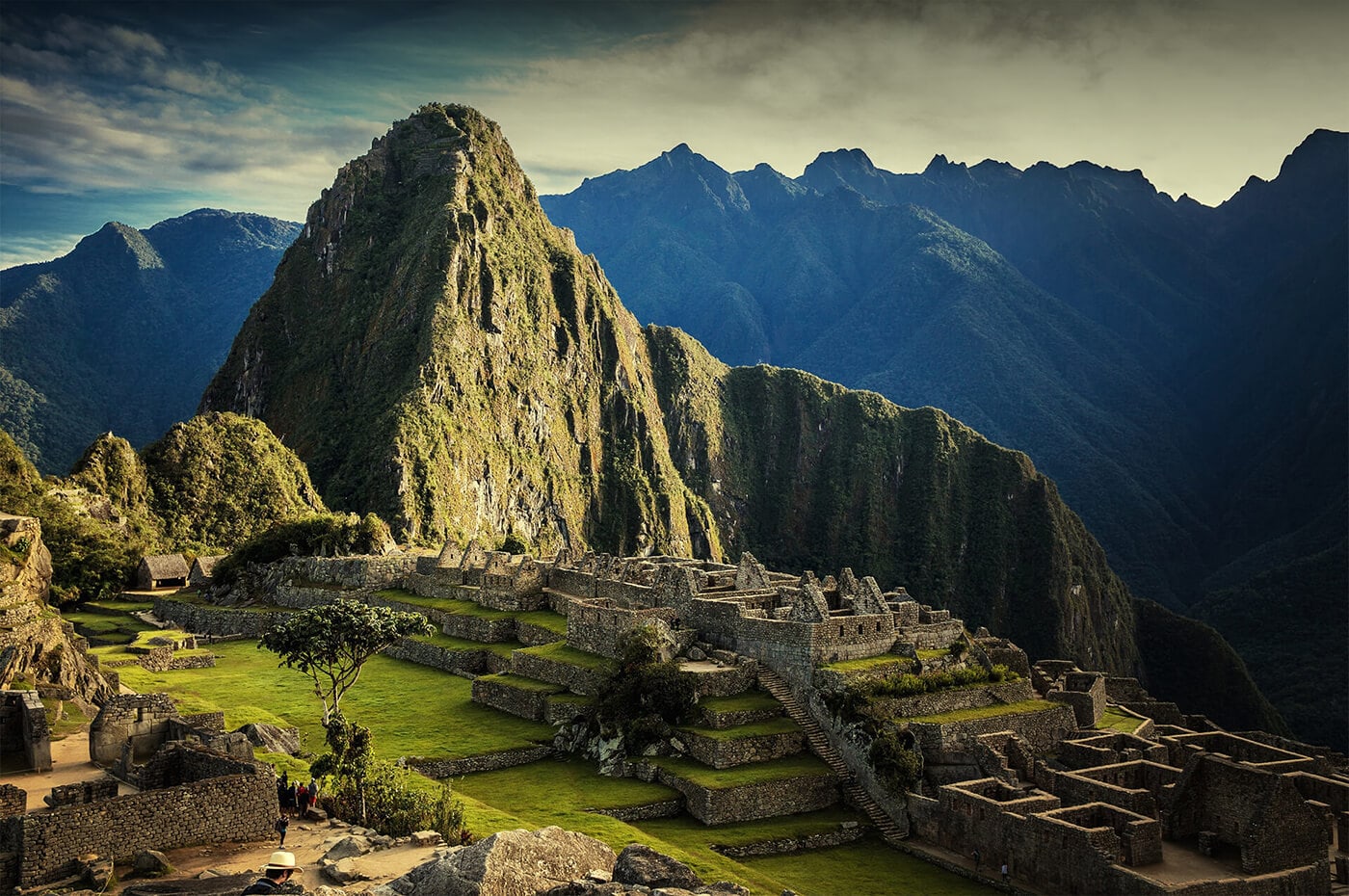
Machu Picchu stands as one of the world’s most spectacular archaeological sites, and timing your 2026 visit correctly transforms your experience from good to extraordinary. Located at 7,970 feet elevation in Peru’s cloud forest, this 15th-century Inca citadel experiences dramatic weather variations that directly impact visibility, crowd levels, and your overall enjoyment.
Key Takeaways
- Dry season (May-September) offers the most reliable weather with clear skies and minimal rain, ideal for US summer travelers
- April and October provide excellent shoulder season value with 40% fewer crowds and lower prices while maintaining good weather
- Book 4-6 months ahead for dry season visits to secure permits and better hotel rates, especially for June-August travel
- January-March rainy season sees 60% price reductions but brings heavy rainfall and potential trail closures on certain days
- Sunrise visits require 6 AM entry tickets available year-round, with clearest morning views during June-August
- US holiday periods (Memorial Day, July 4th, Thanksgiving) command premium pricing and sell out 8-10 weeks in advance
- Contact us by filling out the trip planner form, our expert travel advisors will work closely with you to create your tailor-made itinerary (Free Service)
Introduction
For US travelers planning their 2026 Machu Picchu adventure, understanding Peru’s seasonal patterns becomes essential for trip success. The site operates year-round with controlled daily visitor limits of 3,500 people, but weather, pricing, and crowd density shift significantly across months. This comprehensive seasonal guide provides the data-driven insights you need to select your optimal travel window.
Peru’s seasons run opposite to general assumptions: the dry season (May through September) corresponds with winter in the Southern Hemisphere, while the rainy season (November through March) occurs during summer. These patterns create unique opportunities for savvy US travelers who can align their vacation schedules with Peru’s favorable weather windows. Whether you’re chasing perfect photography conditions, seeking budget-friendly travel periods, or aiming for a balance of weather and value, this guide delivers the strategic planning information for your perfect 2026 Machu Picchu visit.
People Also Ask About Machu Picchu Timing 2026
When is the absolute best month to visit Machu Picchu in 2026?
June stands as the optimal month for Machu Picchu visits, offering the best combination of dry weather, clear mountain views, and manageable crowds. Morning temperatures range from 45-55°F with afternoon highs reaching 68-70°F. The month delivers less than 0.5 inches of rainfall and provides 11 hours of daylight. Book tickets 4-5 months ahead for June travel dates.
Is Machu Picchu worth visiting during rainy season?
Rainy season visits (December-March) offer substantial value with hotel prices 50-60% lower and significantly smaller crowds. The site remains fully operational with occasional afternoon showers. February sees the heaviest rainfall at 6 inches monthly, but morning visits frequently feature clear skies. Budget-conscious travelers save $400-600 per person during these months while experiencing fewer tourists.
How far in advance should Americans book Machu Picchu for 2026?
Book 4-6 months ahead for dry season visits (May-September) to secure entry permits and preferred accommodation. Peak months June-August sell out fastest, particularly for sunrise time slots. Shoulder season months April and October require 2-3 months advance booking. Rainy season permits remain available with 4-6 weeks notice, offering more flexibility for spontaneous travelers.
What’s the weather like at Machu Picchu throughout 2026?
Machu Picchu experiences two distinct seasons: dry season May-September brings daytime temperatures of 66-70°F with minimal rainfall below 1 inch monthly. Rainy season November-March delivers 4-6 inches monthly rainfall with similar temperature ranges. Morning temperatures drop to 45-50°F year-round. Afternoon clouds develop regularly regardless of season, making early morning visits ideal for clear photographs.
Multi-Day Tour Packages
Featured Peru Multi-Day Tour Packages
3 days
Peru 3-Day Discovery Tour
- ✓ Comprehensive Peru experience
- ✓ Expert local guides included
- ✓ All accommodation included
- ✓ Transportation provided

5 days
Peru 5-Day Highlights Experience
- ✓ Comprehensive Peru experience
- ✓ Expert local guides included
- ✓ All accommodation included
- ✓ Transportation provided

7 days
Peru 7-Day Cultural Journey
- ✓ Comprehensive Peru experience
- ✓ Expert local guides included
- ✓ All accommodation included
- ✓ Transportation provided

10 days
Peru 10-Day Complete Adventure
- ✓ Comprehensive Peru experience
- ✓ Expert local guides included
- ✓ All accommodation included
- ✓ Transportation provided
Multi-day tour packages powered by TourRadar. Prices and availability subject to change.
Month-by-Month Weather Analysis for 2026
January 2026: Peak Rainy Season
January brings full rainy season conditions with 5.9 inches of rainfall spread across 18-20 days. Morning temperatures start at 48°F, climbing to 66°F by afternoon. Despite frequent precipitation, mornings often feature clear skies before clouds build by 10-11 AM. The site experiences 40% of peak season crowds, creating an intimate atmosphere for visitors comfortable with rain gear.
Hotel rates drop to their lowest annual levels with accommodations in Aguas Calientes starting at $45-65 per night compared to $120-180 during dry season. Round-trip train tickets from Cusco maintain steady pricing at $140-160. January suits budget-focused travelers and photographers seeking dramatic cloud formations and lush green landscapes. The Inca Trail closes this month for annual maintenance.
February 2026: Wettest Month
February ranks as the wettest month with 6.1 inches of rainfall, yet remains a hidden gem for adventurous travelers. Temperatures range from 48-67°F with humidity levels creating vibrant vegetation. The site operates at 35% capacity most days, offering unprecedented solitude at this world wonder. Cloud forest mists create ethereal morning atmospheres ideal for unique photography.
Accommodation prices remain at annual lows, with mid-range hotels available for $60-90 per night. Tour operators offer 30-40% discounts on multi-day packages. February works well for flexible travelers who can wait out rain showers and don’t mind occasional weather-related schedule adjustments. The Inca Trail remains closed for maintenance until March 1st.
March 2026: Transition Period
March bridges rainy season into dry season with 5.3 inches of rainfall concentrated in the first two weeks. Weather conditions improve steadily as the month progresses, with late March offering preview conditions of the approaching dry season. Temperatures span 48-68°F with increasing sunshine hours. Crowds begin building toward the end of March as Easter travelers arrive.
The Inca Trail reopens March 1st with limited permit availability as bookings pour in for April-May slots. Hotel rates increase 20-30% from February levels but remain 35-40% below peak season pricing. March represents excellent value for travelers seeking transition-period conditions with lower costs. The last two weeks of March deliver particularly favorable weather patterns.
April 2026: Shoulder Season Excellence
April emerges as a top choice for value-conscious travelers, delivering dry season weather at shoulder season prices. Rainfall drops to 1.7 inches with only 7-9 rainy days monthly. Temperatures range from 46-68°F with comfortable hiking conditions. Clear morning skies dominate, though afternoon clouds develop by 2-3 PM. Tourist numbers sit at 60-70% of peak season levels.
Hotel pricing positions between rainy and peak season rates, with quality accommodations at $85-135 per night. Inca Trail permits remain available for certain dates, though popular departure days fill quickly. April suits US spring breakers and travelers seeking balance between weather quality and costs. Easter week (mid-April 2026) sees temporary crowd increases and slight price premiums.
May 2026: Dry Season Begins
May marks the official start of dry season with rainfall dropping below 1 inch. Temperatures span 45-68°F with crisp morning air and warm afternoons. Skies stay predominantly clear through midday before afternoon clouds roll in. Crowds increase significantly as global tourism ramps up, reaching 75-85% of peak season numbers. The combination of excellent weather and manageable crowds makes May highly desirable.
Accommodation rates climb to near-peak levels, with hotels charging $110-170 per night. Memorial Day weekend (May 25-26, 2026) commands premium pricing with limited last-minute availability. Book train tickets and entry permits 3-4 months ahead for May dates. The month delivers consistently reliable conditions for multi-day treks including the Inca Trail, which operates at full capacity.
June 2026: Peak Excellence
June stands as the single best month for Machu Picchu visits, combining the driest conditions with the clearest mountain views. Rainfall averages just 0.3 inches with perhaps 2-3 rainy days entire month. Morning temperatures hover around 43-46°F while afternoons reach 68-70°F. Visibility extends for miles with Huayna Picchu and surrounding peaks fully visible most mornings.
Crowds reach peak levels with 85-95% capacity days common, particularly on weekends. Entry permits for sunrise slots sell out 5-6 months ahead. Hotel rates peak at $140-200 per night for mid-range properties. Despite higher costs and crowds, June’s exceptional weather conditions justify the premium for photographers and first-time visitors seeking guaranteed clear skies. US summer vacation timing aligns perfectly with June travel.
July 2026: Peak Season Intensity
July brings maximum crowds as global tourism peaks during Northern Hemisphere summer. The site operates at 90-100% capacity daily with all time slots typically sold out 4-6 weeks ahead. Weather conditions match June with minimal rainfall (0.4 inches) and temperatures from 44-69°F. Clear mornings remain standard, though the sheer number of visitors impacts the experience significantly.
Accommodation costs reach annual highs with mid-range hotels at $150-210 per night. July 4th week sees particular demand from US travelers. Train tickets require advance booking as services run at full capacity. Despite crowds, July guarantees reliable weather for travelers restricted to summer vacation schedules. Arrive for sunrise entry slots to experience the site before peak crowds gather by 9-10 AM.
August 2026: Extended Peak Season
August continues peak season conditions with high visitor numbers and premium pricing. Rainfall remains minimal at 0.6 inches monthly with 3-4 rainy days. Temperatures span 45-69°F with comfortable hiking conditions. Wind speeds pick up slightly compared to June-July, creating more dynamic weather patterns. Morning visits still deliver the clearest skies and best photography conditions.
Hotel rates maintain peak season levels at $145-200 per night. Entry permit availability improves slightly compared to July, with popular slots bookable 3-4 months ahead. August works well for US travelers coordinating with end-of-summer vacation windows. The month delivers consistent weather quality with marginally fewer crowds than July, though “fewer” remains relative at this popular site.
September 2026: Late Dry Season
September extends dry season conditions while tourist numbers begin declining, creating favorable conditions for savvy travelers. Rainfall stays below 1.2 inches with temperatures from 46-69°F. Weather remains predominantly sunny with reliable morning clarity. Crowds drop to 70-80% of July-August levels, particularly noticeable after the first week of September when US schools resume.
Accommodation pricing decreases 15-25% from peak season rates, with quality hotels at $110-160 per night. Entry permits show better availability with 2-3 months advance booking sufficient for most dates. September balances excellent weather with improved value, making it ideal for flexible travelers avoiding peak crowds. Labor Day weekend (August 30-September 1, 2026) maintains peak season pricing and demand.
October 2026: Prime Shoulder Season
October ranks among the best value months, delivering near-dry-season weather at significantly reduced prices. Rainfall increases to 1.9 inches but remains manageable with 8-10 rainy days. Temperatures range from 48-70°F with spring-like conditions. Morning skies stay predominantly clear through late morning. Tourist numbers drop to 50-60% of peak season levels, creating a more intimate experience.
Hotel rates fall 35-45% from peak season with excellent properties available at $85-130 per night. Entry permits remain available with 6-8 weeks advance notice. October suits budget-conscious travelers seeking balance between weather quality and costs. The month delivers excellent trekking conditions with lush landscapes following the dry season. Avoid the second week (Columbus Day) when US travelers create temporary demand spikes.
November 2026: Rainy Season Begins
November transitions into rainy season with 3.7 inches of precipitation across 12-14 days. Early November maintains more dry-season characteristics while late November shows full rainy season patterns. Temperatures span 48-69°F with increasing humidity. Morning conditions often remain clear, though afternoon rain becomes more frequent. Crowds continue declining with 45-50% of peak season numbers.
Accommodation costs drop significantly with hotels at $70-115 per night. Thanksgiving week (November 23-29, 2026) reverses this trend temporarily as US travelers arrive, requiring advance bookings for this specific period. November works for flexible travelers comfortable with afternoon rain and willing to adjust schedules around weather. The Inca Trail operates through November 30th before closing for annual maintenance.
December 2026: Holiday Season
December presents complex planning considerations with rainy season weather but holiday travel patterns. The first two weeks see continued rainy season conditions with 4.4 inches rainfall and temperatures at 48-67°F. Christmas week (December 20-28) brings increased tourism and premium pricing despite weather uncertainty. New Year’s week experiences similar demand patterns with all services requiring advance reservations.
Standard accommodation rates remain at rainy season levels ($75-120) except during the holiday weeks when prices approach shoulder season levels. Entry permits remain available except for December 24-26 and December 31-January 2 when demand spikes. December suits travelers seeking lower costs outside holiday weeks or those specifically targeting Christmas/New Year’s at Machu Picchu. The Inca Trail closes December 1st for annual maintenance.

Machu Picchu
Seasonal Trade-offs and Considerations
Dry Season Advantages and Challenges
The dry season (May-September) delivers the most predictable weather patterns with clear morning skies and minimal rain disruption. Daytime temperatures range from 66-70°F with comfortable conditions for extended exploration. Photography benefits dramatically from consistent sunshine and visibility extending 20-30 miles to surrounding peaks. Multi-day treks operate without weather-related cancellations, and trail conditions remain stable throughout.
Crowds represent the primary dry season challenge, with daily visitor limits reaching 90-100% capacity during June-August. Morning entry slots fill completely, requiring navigation through throngs of tour groups by 9-10 AM. Accommodation prices peak at 2-3 times rainy season rates, and entry permits sell out 3-6 months ahead for desirable dates. Train services run at full capacity with limited flexibility for schedule changes. Budget an additional $800-1,200 per person compared to rainy season visits for equivalent services.
Rainy Season Benefits and Realities
Rainy season (November-March) offers the most significant cost advantages with hotel rates 50-60% below peak season levels. The site operates at just 30-40% capacity, creating intimate experiences without crowd interference. Photography captures dramatically different conditions with mist-shrouded peaks and lush green landscapes. Tour groups decrease substantially, allowing more solitude at key viewpoints. Budget-conscious travelers save $600-1,000 per person on identical itineraries compared to dry season.
Weather unpredictability defines rainy season challenges. Afternoon rain occurs daily with morning showers increasing in frequency during December-February. Heavy rain clouds obscure mountain views on 40-50% of days, potentially impacting signature photography opportunities. The Inca Trail closes annually December 1-February 28, limiting trekking options. Trail conditions for alternative routes become muddy and slippery, requiring proper footwear and rain gear. Flight cancellations increase during severe weather events, necessitating flexible schedules and travel insurance coverage.
Shoulder Season Sweet Spots
April and October emerge as optimal shoulder season months, balancing weather quality with crowd levels and pricing. April delivers dry season weather patterns at 30-40% lower costs than peak summer months. Tourist numbers remain at 60-70% capacity, providing breathing room at popular sites. October maintains manageable weather with rainfall at 1.9 inches monthly while offering even greater discounts at 40-50% below peak rates. Both months feature comfortable temperatures and reliable morning conditions.
These shoulder months require weather flexibility as occasional rainy days occur, particularly in October. April’s Easter week (April 13-20, 2026) disrupts otherwise stable shoulder season patterns with temporary crowd increases and price premiums. October’s Columbus Day weekend (October 10-12) creates similar short-term demand. Book accommodations 6-10 weeks ahead for optimal availability. Shoulder seasons suit travelers seeking value without extreme weather risks or overwhelming crowds.
US Vacation Schedule Alignment
Summer Vacation Planning (June-August)
US summer vacation schedules align naturally with Peru’s dry season, creating optimal weather conditions but maximum competition for services. June offers the best overall weather with minimal crowds relative to July-August. Plan trips around specific school vacation schedules to avoid peak July 4th week (July 1-7, 2026) when US demand peaks. Mid-June departures (June 15-25) capture excellent weather before absolute peak crowds arrive.
Late August trips (August 16-31) position at the end of peak season, benefiting from improved permit availability and slightly lower hotel rates while maintaining dry season weather. Book flights 3-4 months ahead for summer travel, targeting Tuesday-Thursday departures for better airfare. Expect to pay premium prices across all services, with total trip costs $1,200-1,800 per person for 5-7 day itineraries. Reserve entry permits 4-6 months ahead to secure preferred time slots.
Spring Break Opportunities (March-April)
Spring break timing varies by US region but generally falls mid-March through mid-April. Early March dates encounter lingering rainy season conditions with better value but weather uncertainty. Late March through April delivers increasingly favorable conditions as dry season approaches. Target April departure dates (April 5-20) for the best weather-to-value ratio during typical spring break windows.
University spring breaks (March 8-22, 2026) create specific demand peaks at particular properties. High school spring breaks concentrate during April 6-17, 2026 across most US states. Book accommodations 10-12 weeks ahead for these specific windows. Total trip budgets for spring break visits range $900-1,400 per person for 5-day itineraries, representing solid value compared to summer peaks while delivering reliable weather conditions.
Holiday Period Strategies
Major US holidays create distinct travel patterns requiring specific planning strategies. Memorial Day weekend (May 23-26, 2026) kicks off summer travel season with premium pricing and full bookings requiring 4-5 months advance reservations. Labor Day weekend (August 30-September 2, 2026) closes summer season with similar demand patterns but slightly better weather value as September shoulder season begins.
Thanksgiving week (November 22-29, 2026) represents rainy season travel with weather trade-offs but significant cost savings except during the actual holiday week when US travelers drive temporary demand spikes. Christmas-New Year’s period (December 20-January 5) combines rainy season weather with peak holiday pricing, creating the least favorable value proposition annually. Travelers targeting holiday periods should book 6-8 months ahead and prepare for weather flexibility while understanding costs approach dry season levels without weather guarantees.
Crowd Level Analysis by Season
Peak Crowd Periods
Daily visitor capacity limits at 3,500 people create sustained crowding during peak season months June through August. The site operates at 85-100% capacity most days, with Sundays seeing maximum attendance. Entry time slots between 6-8 AM and 10 AM-12 PM fill fastest, requiring 4-6 months advance booking. Tour groups numbering 15-20 people congregate at key viewpoints including the Guardian’s Hut and Sun Gate, creating bottlenecks for photography.
July emerges as the absolute peak month with international tourism at maximum levels. Morning hours (6-10 AM) see 60-70% of daily visitors concentrated in the first entry slots, creating crowded conditions at iconic viewpoints. By midday, crowds disperse slightly as early arrivals depart, though afternoon entry slots bring fresh groups. Inca Trail hikers arrive via Sun Gate around 7-9 AM, adding to morning congestion. Budget extra time for photography during peak months, accepting that completely solitary experiences become virtually impossible.
Moderate Crowd Seasons
Shoulder season months April-May and September-October operate at 50-75% capacity, providing noticeably more comfortable experiences. Morning entry slots still fill quickly but midday and afternoon time slots show better availability with 2-3 months advance booking. Tour group numbers decrease by 30-40% compared to peak season, creating better flow through the site. Key viewpoints remain popular but allow patient visitors to capture photographs without constant crowds in frame.
Weekdays during shoulder seasons offer the most relaxed crowd conditions while maintaining favorable weather. Tuesday-Thursday visits see 15-20% fewer visitors than weekends. Late afternoon entry slots (after 2 PM) provide the quietest experiences though shorter daylight hours limit exploration time during these windows. Shoulder seasons balance reasonable crowd levels with acceptable weather conditions and solid value pricing.
Low Crowd Rainy Season
Rainy season months November-March operate at just 30-45% capacity, transforming the visitor experience completely. Many days see fewer than 1,500 total visitors with certain entry time slots serving just 50-100 people. Morning hours offer near-private experiences at popular viewpoints, allowing unlimited time for photography without interference. Tour group presence drops dramatically with many days seeing zero organized groups.
February represents the absolute quietest month with some days hosting barely 800-1,000 total visitors across all time slots. This creates unprecedented solitude at one of the world’s most visited archaeological sites. Entry permits remain available just 2-3 weeks before travel dates. Visitors accepting weather uncertainty receive the reward of intimate experiences impossible during peak season. The trade-off between crowds and weather determines whether rainy season suits individual priorities.
Planning Your 2026 Visit: Strategic Recommendations
First-Time Visitors
First-time visitors should prioritize weather certainty over cost savings and crowd avoidance. Target June for optimal conditions, booking entry permits 5-6 months ahead. Allocate $1,500-2,200 per person for quality 5-7 day itineraries including flights from major US hubs. Plan sunrise entry (6 AM time slot) for best lighting and relatively smaller morning crowds before 8 AM surge.
Structure itineraries with 2-3 days in Cusco for acclimatization before visiting Machu Picchu. Book accommodations in Aguas Calientes for the night before your entry date, allowing stress-free morning access. Consider 4-5 day Sacred Valley pre-trips to adjust to altitude gradually while exploring additional Inca sites. First-time visitors benefit from guided tours providing historical context and site orientation. Budget premium pricing but secure unforgettable weather and conditions justifying the investment.
Budget-Conscious Travelers
Budget travelers should target October shoulder season or January-February rainy season for maximum savings. October delivers the best weather-to-value ratio with 40-50% cost reductions compared to peak summer while maintaining largely favorable conditions. January-February cuts costs by 50-60% but requires acceptance of daily afternoon rain and occasional morning showers.
Book midweek flights (Tuesday-Wednesday departures) for $100-200 savings on airfare. Choose Cusco-based accommodations over pricier Aguas Calientes hotels, taking the $140 round-trip train on your visit day. Skip guided tours in favor of audioguides at $5, using this guide for pre-trip research. Pack rain gear and layers to avoid on-site purchases at inflated prices. Budget travelers can experience Machu Picchu for $800-1,200 total per person on 4-5 day itineraries during off-peak seasons.
Photography Enthusiasts
Photography-focused visitors should target June or late May for optimal conditions. Clear morning skies, good visibility, and dramatic lighting justify premium pricing. Book sunrise entry slots (6 AM) securing 2-3 hours of excellent light before clouds build. Consider multi-day visits with different entry times capturing varied lighting conditions and perspectives.
Avoid July-August when excessive crowds compromise photography opportunities despite excellent weather. October shoulder season presents an alternative with better crowd conditions and acceptable weather, though occasional clouds may impact specific shots. Bring telephoto lenses for distant mountain peaks and wide-angle lenses for site overview shots. Morning fog during shoulder seasons creates ethereal conditions for dramatic artistic photography. Budget $1,800-2,400 for quality 7-9 day photography-focused itineraries allowing multiple site visits and Sacred Valley locations.
Family Travelers
Families should target May or September for balanced conditions suitable for children. These months offer reliable weather with moderate crowds and reasonable pricing. Avoid absolute peak July-August when excessive crowding creates challenging conditions for young children. May’s comfortable temperatures and manageable tourist numbers work well for family groups with varying energy levels.
Plan shorter on-site visits (3-4 hours maximum) accounting for children’s attention spans and altitude effects. Book afternoon entry slots (12-2 PM) allowing relaxed mornings and avoiding very early departures. Choose Aguas Calientes accommodations with family rooms and pools for post-visit relaxation. Consider Sacred Valley day trips rather than multi-day treks with younger children. Family itineraries require flexible scheduling and backup activities for weather contingencies or altitude adjustment needs.
2026-Specific Planning Advantages
Advanced Booking Benefits
Planning your 2026 visit now provides significant advantages over last-minute booking. Entry permits for peak June-August dates already show strong demand, with popular sunrise slots booking 5-6 months ahead. Secure your preferred dates now before availability narrows further. Hotel selection remains excellent with 4-6 months lead time, accessing full inventory across all price ranges.
Flight prices from major US hubs benefit from early booking, with $300-500 savings possible on peak season routes booked 4-5 months ahead. Inca Trail permits for April-October require even earlier booking with many dates selling out 6-7 months in advance due to daily hiker limits. Tour operators offer early booking discounts of 10-15% for reservations made 4+ months ahead. Insurance coverage provides better protection when purchased at time of initial deposit rather than shortly before travel.
Seasonal Optimization Strategies
2026 planning allows strategic seasonal optimization matching personal priorities with ideal travel windows. Budget-focused travelers can target October 2026 shoulder season when conditions remain favorable while pricing drops 40-50% from summer peaks. Photography enthusiasts should lock in June 2026 dates now while sunrise entry slots remain available, securing optimal lighting and weather conditions.
Weather-adverse travelers benefit from dry season planning (May-September) guaranteeing reliable conditions even if costs run higher. Adventure-seekers comfortable with weather variability can schedule rainy season visits (December-March) experiencing the site in dramatically different conditions at substantial savings. US vacation schedules allow targeted planning around specific school breaks or work holiday periods, optimizing travel windows within weather and crowd parameters.
Flexibility and Contingency Planning
2026 planning timelines enable comprehensive contingency strategies. Purchase travel insurance at booking covering weather-related cancellations or delays, medical emergencies, and trip interruptions. Build flexible itineraries with buffer days before and after Machu Picchu visits, allowing schedule adjustments for weather or altitude acclimatization needs. Consider booking refundable hotel rates even at 10-15% premiums, providing cancellation flexibility if circumstances change.
Plan alternative activities in Cusco and Sacred Valley in case weather disrupts Machu Picchu visits, ensuring trip value regardless of conditions. Track weather forecasts closely in the 10 days before travel, adjusting entry date reservations if severe weather threatens. Multi-day trips allow flexibility to shift Machu Picchu visit days based on evolving weather patterns. Early 2026 planning provides time to research backup plans and contingencies impossible with rushed last-minute bookings.
Final Planning Recommendations
Selecting your optimal Machu Picchu travel window for 2026 depends on balancing weather priorities, budget constraints, crowd tolerance, and schedule flexibility. June stands as the single best weather month with guaranteed clear conditions justifying premium costs for first-time visitors and photographers. April and October deliver the best overall value, combining favorable weather with 40% cost savings and manageable crowds for budget-conscious travelers.
Summer vacation families should target May or early June before absolute peak crowds, booking 5-6 months ahead for optimal availability. Adventurous budget travelers gain substantial savings during January-February rainy season while experiencing unique atmospheric conditions and remarkable solitude. September provides an underrated option with excellent weather, decreasing crowds, and improving value as peak season winds down.
Start planning your 2026 Machu Picchu adventure today by selecting your preferred travel window aligned with personal priorities. Book entry permits and accommodations 3-6 months ahead for dry season visits, securing your spot at this bucket-list destination. Shorter lead times work for shoulder and rainy seasons but earlier booking always provides better selection and peace of mind. Your perfect Machu Picchu experience awaits with strategic seasonal planning and advance preparation.

Frequently Asked Questions
Is it better to visit Machu Picchu in June or September?
June offers superior weather with virtually guaranteed clear skies and minimal rain, making it ideal for first-time visitors and photographers. September provides nearly equal weather quality with 20-30% lower costs and noticeably fewer crowds, particularly after September 7th when US school schedules resume. Choose June for weather certainty, September for value and more comfortable crowd levels.
Can you visit Machu Picchu in January without problems?
Yes, Machu Picchu operates year-round including January. Expect afternoon rain on most days and occasional morning showers, but the site remains fully accessible. Hotels cost 50-60% less than peak season and crowds drop to 35-40% of summer levels. Bring quality rain gear and waterproof bags for electronics. Morning entry slots typically see clear conditions before rain develops by midday. The Inca Trail closes in January for annual maintenance.
What’s the least crowded month to visit Machu Picchu?
February ranks as the least crowded month with daily visitor numbers often below 1,000 people compared to 3,500 capacity. The site operates at just 30-35% capacity, creating unusually intimate experiences at this popular attraction. February also brings the heaviest rainfall at 6 inches monthly. November and January show similar low crowd levels while maintaining slightly drier conditions. Late October and early March offer crowd benefits with improving weather patterns.
Do I need to book Machu Picchu tickets months in advance?
Yes for dry season visits during May-September, when popular entry times sell out 3-6 months ahead. June-August requires the longest advance booking at 4-6 months for desirable time slots. Shoulder season months April and October need 2-3 months advance booking. Rainy season permits (November-March) remain available with just 3-6 weeks notice, offering more flexibility. Always book as early as possible for your preferred dates and times.
Is April a good time to visit Machu Picchu?
Yes, April ranks as one of the best value months, offering dry season weather quality at 30-40% lower costs than peak summer. Rainfall drops to 1.7 inches monthly with predominately clear morning skies. Tourist numbers remain at 60-70% of peak season, providing comfortable conditions. Easter week (April 13-20, 2026) sees temporary crowd increases. April suits travelers seeking excellent weather-to-value ratios with manageable tourist levels.
What’s the rainiest month at Machu Picchu?
February receives the most rainfall at 6.1 inches monthly, with precipitation occurring on 18-20 days. January follows closely at 5.9 inches. Despite heavy rainfall statistics, morning hours frequently feature clear conditions before clouds build by late morning. Afternoon rain occurs daily during February. The upside includes 60% lower accommodation costs, minimal crowds at 35% capacity, and dramatically lush landscape conditions ideal for certain photography styles.
How much does it cost to visit Machu Picchu in different seasons?
Dry season costs (May-September) range $1,400-2,200 per person for 5-7 day trips from the US including flights, hotels, entry, and transportation. Peak summer (June-August) hits upper range limits. Shoulder seasons (April, October) drop to $1,100-1,600 for equivalent itineraries. Rainy season (December-March) costs $800-1,300 with hotel rates 50-60% lower than peak. Entry tickets cost $50-75 regardless of season. Train and flight prices show less seasonal variation than accommodations.
Can weather ruin a Machu Picchu trip?
Weather rarely ruins trips but impacts experiences significantly. Heavy fog or rain clouds can obscure mountain views on 40-50% of rainy season days. Dry season visits (May-September) deliver reliable clear conditions on 85-90% of days. Book early entry times (6-8 AM) when weather remains most stable year-round. Multi-day trips allow flexibility to reschedule Machu Picchu visits if weather looks unfavorable. Travel insurance covers weather-related disruptions. Proper rain gear and realistic expectations ensure enjoyable visits even during rainy season.
Should US travelers visit Machu Picchu during their summer vacation?
US summer vacation timing (June-August) aligns perfectly with Peru’s dry season, delivering optimal weather conditions. This creates maximum competition for services and premium pricing across all categories. Families restricted to school vacation schedules should book 4-6 months ahead accepting higher costs for weather certainty. Flexible travelers should consider late May or September shoulder seasons capturing excellent weather with better value and fewer crowds. Summer visits work well despite costs for those prioritizing reliable conditions over budget considerations.
What weather should I expect at Machu Picchu in October 2026?
October brings transitional weather with 1.9 inches rainfall across 8-10 days. Morning conditions remain predominantly clear through 10-11 AM with afternoon cloud buildup and occasional rain. Temperatures range from 48-70°F requiring layers. October delivers good weather reliability at 70-75% while offering significant cost savings and 40-50% fewer crowds than summer peaks. The month suits travelers seeking balance between weather quality and value. Early October shows more favorable conditions than late October as rainy season approaches.


