|
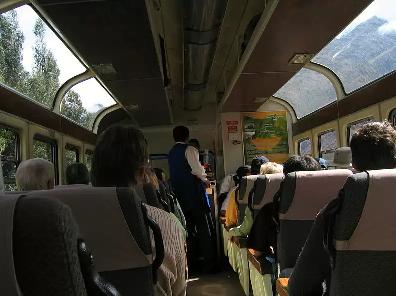
Peru’s spectacular train journeys are in themselves a major attraction, and you should aim to take at least one long-distance train during your trip, especially as the trains connect some of Peru’s major tourist sights. At the time of writing, the Central Railway , which climbs and switchbacks its way up from Lima into the Andes as far as Huancayo on the world’s highest standard-gauge tracks, is currently operational for passengers only on the last Sunday of the month (returning Monday); but this situation is likely to improve. Lima package tours
|
Create Your Dream Adventure
Contact us for a comfortable and personalized itinerary to Peru
You also can write us at: travel@machupicchu.info
Packages start at USD$1,239 for our 4-day Cusco & Machu Picchu package (with domestic flights included.)
We specialize in complete travel packages that allow you to enjoy your travels while we handle the logistics.
Services are available as part of a full itinerary (3-days or more) including all hotels, tours and ground transportation.